
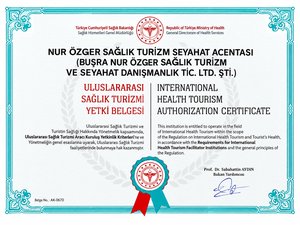


 Trusted by over 5,000 patients in more than 30 countries



The First Days After Abdominoplasty: The Hospital Recovery Period
The procedure is performed under general anesthesia, and depending on the extent of the surgery (full or mini tummy tuck), patients are generally required to stay under observation in the hospital for one or two nights. This period is important for monitoring the initial stages of tissue repair and ensuring overall stabilization.
Positioning and the First Walk
To reduce tension on the abdominal tissues and minimize stress on the incision line, patients are encouraged to rest in bed with their head and knees slightly bent (semi-Fowler or V-position). On the day of surgery or the following day, patients take their first short walk under the supervision of healthcare professionals. This early mobilization helps improve circulation and reduce the risk of embolism (blood clots). During these walks, maintaining a slightly forward-bent posture helps relieve tension on the abdominal wall.
Monitoring Drains and Catheters
Temporary tubes placed in the surgical area to prevent the accumulation of fluid (seroma) or blood are called drains. During hospitalization, healthcare professionals regularly monitor and record both the amount and appearance of fluid collected in these drains. Drains are typically removed by the surgeon once fluid output falls below a specific threshold, usually a few days after surgery.
Week-by-Week Recovery Timeline
Although recovery speed varies according to age, tissue quality, smoking habits, and individual factors, the general recovery timeline is as follows:
| Time Period | Expected Symptoms and Conditions | Key Recommendations |
|---|---|---|
| Week 1 | Swelling, mild tightness, drain monitoring, and the need for slightly forward-bent walking. | Rest, regular use of prescribed medications, wearing a compression garment, and light walking around the home. |
| Week 2 | Scab formation along the incision line, continued but reduced swelling, gradual return to an upright posture. | Return to desk work if appropriate, avoid heavy lifting, and begin showering while following hygiene guidelines. |
| Weeks 3–4 | Significant reduction in tenderness and the beginning of visible abdominal contour improvement. | Light-paced walks, continued use of the medical compression garment, and initiation of physician-approved scar care products. |
| Week 6 and Beyond | Tissues become largely integrated, and swelling is reduced by approximately 70–80%. | Discontinuation of compression garment use with physician approval, gradual return to light exercise, and protection from direct sunlight. |
Essential Considerations After Tummy Tuck Surgery
There are several important guidelines patients should follow to ensure a comfortable and healthy recovery. These recommendations also contribute to achieving long-lasting and aesthetically pleasing results.
1. Use of a Medical Compression Garment
After abdominoplasty, wearing a specially designed elastic medical compression garment is mandatory. Unless otherwise instructed by the surgeon, this garment should be worn continuously, day and night, for the first 4 to 6 weeks.
The benefits of compression garment use include:
- Helping control and reduce postoperative swelling (edema).
- Supporting tissue adaptation and adherence beneath the skin.
- Providing structural support to the abdominal wall and protecting the incision line during sudden movements.
2. Medication Management and Hygiene
Antibiotics and other medications prescribed by the physician should be taken according to schedule to minimize infection risk and promote a comfortable recovery. Keeping the surgical site clean and dry is essential.
The timing of the first shower depends on the condition of the drains and the surgeon’s assessment. In most cases, patients may shower with lukewarm water approximately 24–48 hours after drain removal.
3. Avoiding Smoking and Tobacco Products
Tobacco products contain chemicals that constrict blood vessels and significantly reduce oxygen delivery to tissues. In procedures such as tummy tuck surgery, where a large tissue surface is elevated and repositioned, smoking can increase the risk of delayed wound healing, incision separation, and tissue loss (necrosis).
For this reason, tobacco products should ideally be discontinued several weeks before surgery and strictly avoided during the first 4–6 weeks after the operation.
How Should Nutrition and Fluid Intake Be Managed?
During recovery, the body requires proper nutrition to rebuild tissues and support healing. Easily digestible and nutrient-rich foods should be prioritized.
- Protein-Focused Nutrition: Protein is the primary building block for cellular and tissue repair. Eggs, poultry, fish, legumes, and low-fat dairy products should be included in the diet.
- High-Fiber Foods: Reduced activity levels and certain medications may contribute to constipation after surgery. Since straining can increase intra-abdominal pressure and place stress on the incision line, fresh fruits, vegetables, and whole grains should be consumed regularly.
- Adequate Hydration: To support metabolism and help the body eliminate excess fluid, patients should consume at least 2–2.5 liters of water daily. Carbonated, sugary, and acidic beverages should be avoided.
- Salt Restriction: Excess sodium intake promotes water retention and may worsen swelling. Therefore, salt consumption should be minimized during the recovery period.