
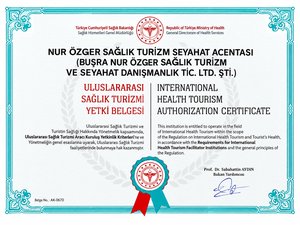


 Trusted by over 5,000 patients in more than 30 countries



What Is Liposuction and What Is It Used For?
Even when individuals remain committed to healthy nutrition plans and regular exercise routines, certain fat deposits in specific areas of the body may prove resistant. Factors such as genetic predisposition, hormonal changes, and lifestyle habits can contribute to the persistence of these stubborn fat accumulations. In such cases, surgical procedures may be considered to reshape body contours and achieve a more balanced silhouette. One of the most well-known of these procedures is liposuction, commonly referred to as fat removal surgery.
Liposuction is not a weight-loss method or a treatment for obesity. Rather, it is a body contouring procedure designed for individuals who are close to their ideal body weight but are bothered by localized fat deposits. Through this procedure, stubborn fat cells that disrupt body proportions can be permanently removed from targeted areas.
Which Areas Can Be Treated with Liposuction?
With advances in modern aesthetic surgery technologies, liposuction can now be safely performed on nearly every area of the body. The primary treatment areas with significant fat deposits and suitable surgical access include:
1. Abdomen and Waist (Love Handle Area)
The abdomen and waist are among the most common areas of localized fat accumulation in both men and women. Side waist fat, commonly known as “love handles,” can significantly affect how clothing fits. By removing both deep and superficial fat layers through liposuction, a flatter and more athletic contour can be achieved. This procedure is often used to address stubborn fat remaining after pregnancy or repeated cycles of weight gain and loss.
2. Hips and Saddlebag Area
Particularly in female anatomy, the influence of estrogen promotes fat storage around the hips and saddlebag region. Excessive outward projection of the hips may disrupt overall body proportions. Through liposuction, the saddlebag area can be reduced, helping the legs appear longer and enhancing the overall contour of the lower body.
3. Thighs (Inner and Outer Legs)
Inner thigh friction can cause discomfort while walking and may also be aesthetically undesirable. Likewise, excess fat on the outer thighs can make clothing selection more challenging. Inner and outer thigh liposuction helps create a slimmer, more proportionate appearance and promotes a straighter leg contour.
4. Arms (Upper Arm Area)
Aging and weight fluctuations may contribute to increased thickness and sagging in the upper arms. When the appearance commonly referred to as “bat wings” is caused primarily by fat accumulation rather than excess skin or muscle-related issues, liposuction can provide highly effective results. Following the procedure, specialized compression garments are often used to support skin contraction.
5. Chin and Submental Area
Aging and genetic factors can lead to fat accumulation beneath the chin, commonly referred to as a double chin. This condition may make individuals appear older or heavier than they actually are. Liposuction of the submental area, performed using very fine cannulas, can enhance jawline definition and improve facial contours.
6. Back and Bra-Line Area
Particularly in women, fat deposits around the bra line and upper or lower back can affect both comfort and appearance. Since fat tissue in this area tends to be denser and more fibrous, ultrasound-assisted (VASER) or laser-assisted liposuction techniques are often preferred.
7. Male Breast Area (Gynecomastia Treatment)
Gynecomastia refers to the enlargement of the male chest due to hormonal imbalances or weight gain. When this enlargement is caused primarily by fatty tissue rather than glandular breast tissue, liposuction alone may effectively address the issue. Excess fat is removed through small entry points without the need for large incisions.
8. Inner Knees and Ankles
Details play an important role in overall leg aesthetics. Small fat deposits around the inner knees may create the appearance of uneven leg contours, while thick ankles can affect leg proportions. These delicate areas can be treated precisely using fine cannulas to remove localized fat accumulations.
Liposuction Characteristics by Treatment Area
Although the amount of fat that can be removed and the recovery process vary from patient to patient, the following table provides a general overview:
| Treatment Area | Targeted Concern | Compression Garment Duration | Visible Results Timeline |
|---|---|---|---|
| Abdomen and Waist | Love handles, abdominal fullness | 4–6 Weeks | 3–6 Months |
| Hips and Thighs | Friction, wide hip contour | 4–5 Weeks | 2–4 Months |
| Upper Arms | Sagging and excess thickness | 3–4 Weeks | 2–3 Months |
| Double Chin (Submental Area) | Loss of facial profile definition | 1–2 Weeks (Chin Strap) | 1–2 Months |
| Male Chest (Gynecomastia) | Feminized chest appearance | 3–4 Weeks | 2–3 Months |
Liposuction Techniques and Technologies
Advances in medical technology have introduced several liposuction methods designed to minimize tissue trauma and enhance skin tightening:
- Traditional (Tumescent) Liposuction: A specialized fluid solution is injected into the treatment area to expand fat cells and reduce bleeding before the fat is removed through mechanical suction.
- VASER Liposuction (Ultrasound-Assisted): Ultrasound energy selectively targets and liquefies fat cells, reducing the risk of damage to surrounding tissues such as nerves and blood vessels.
- Laser Liposuction: Laser energy melts fat while simultaneously stimulating collagen production beneath the skin, helping to promote skin tightening.
What Is the Recovery Process Like After Liposuction?
Following liposuction, it takes time for the body to fully adapt to its new contours. Swelling (edema) and mild bruising are normal parts of the healing process immediately after surgery. Taking prescribed medications as directed by your physician can help improve comfort during the recovery period.
Important Note: Wearing the medical compression garment recommended by your surgeon continuously for the specified duration is essential for helping the skin adapt to its new shape and for accelerating the reduction of swelling.
Patients are generally advised to avoid strenuous physical activities and sports during the first few weeks while supporting circulation through light exercises such as walking. Full recovery and the final contour results typically become more noticeable from the third month onward.
Frequently Asked Questions
Can the fat removed by liposuction come back?
The number of fat cells in an adult body is relatively fixed. Through liposuction, a portion of these fat cells is permanently removed. However, if excessive calorie consumption continues, the remaining fat cells can increase in size. Therefore, maintaining a balanced diet is important for preserving long-term results.
How much fat can be removed during a single session?
Within accepted safety limits and depending on the patient’s overall health and body weight, approximately 4 to 5 liters of fat can generally be removed in a single session. Exceeding these limits is not recommended due to potential health risks.
Will liposuction leave noticeable scars?
The procedure is performed through very small incisions, typically measuring only 2–3 millimeters, to allow the insertion of cannulas. These incisions are generally placed within natural body creases or inconspicuous areas. Over time, the scars usually fade significantly and blend with the surrounding skin tone.