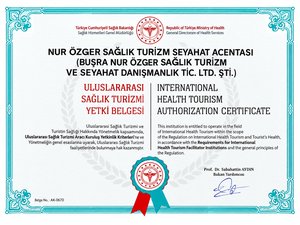

 Trusted by over 5,000 patients in more than 30 countries




What Is a Tummy Tuck Operation?
The answer to what a tummy tuck operation is can be given as follows: it is an aesthetic and functional surgical body-contouring operation planned to correct the excess skin, loss of elasticity, and separation of the midline muscles that occur on the front abdominal wall as a result of pregnancy, aging, structural factors, or significant weight fluctuations. The human body tries to adapt to various physical changes at different stages of life. The abdominal area, located at the center of the body, is among the areas where these changes are felt most intensely. Particularly during pregnancy, the skin that stretches to make room for the growing baby, and the abdominal muscles that move apart from each other (rectus diastasis), do not always return to their former taut form after childbirth. A similar picture also appears after periods of significant weight loss; the skin, with reduced tissue inside it, sags downward with the effect of gravity, creating a fold in the abdominal area. Even if individuals follow diet and regular exercise programs, they can find themselves insufficient to correct this deformed excess skin and separated muscle structure through exercise alone. Individuals can experience restrictions in their clothing choices and feel tired in their social lives due to this loss of form they see in the mirror. The tummy tuck operation, known in medical literature as abdominoplasty, comes into play at exactly this point to bring out the body’s natural contours again and remove tissue that has lost its form from the body. The main goal of this operation is not to offer the person a weight-loss method, but to bring the existing body contour into a more aesthetic, flat, and proportional structure.
These plans, which use the body’s own contours as a reference, are carried out with great care in cities with extensive medical infrastructure, such as Istanbul. The process begins with a clinical examination analyzing the patient’s existing tissue structure, skin elasticity, and muscle deformation. Establishing a realistic balance between the patient’s expectations and what the body can offer increases compliance in the later stages of the operation. In line with Buşra Nur Özger Özel informational principles, how the operation will proceed, what is expected in the recovery timeline, and how long bodily repair will take are conveyed to the patient in transparent, understandable language. This empathetic communication provides mental calm by clearing up question marks in the person’s mind about the process. Incisions made during the operation are generally strategically planned to remain within the underwear line, so that once healing is fully complete, the resulting scars are camouflaged in a way that is not visible from the outside in daily life. During the surgery, while excess skin is removed, loosened abdominal muscles are brought closer to the midline with sutures, creating an internal corset effect. Patients should give the body time to repair itself in the post-operative period and adhere to the care routines guided by their physicians so tissues can heal and swelling can subside. This plan, done at the right time and with the right techniques, is a comprehensive repair journey that significantly supports the individual’s quality of life.
In Which Situations Is a Tummy Tuck Operation Applied?
The answer to in which situations a tummy tuck operation is applied is given as follows: it is a structuring option that comes into play in processes where excess skin that does not respond to diet and regular exercise programs and creates a fold in the abdominal area, along with looseness in the midline muscles, makes the person’s social and physical life difficult, creates restrictions in clothing choices, and leads to physiological problems such as rashes between skin folds. Although the human body has an elastic structure, this elasticity has biological limits. When skin tissue is stretched beyond these limits, the collagen and elastin fibers within it are damaged.
In particular, multiple pregnancies, a history of carrying a large baby, or serious figures such as thirty or forty kilograms lost after gastric sleeve surgery exhaust the skin’s ability to retract. Separation in the muscle tissue (diastasis), meanwhile, creates a constant outward bulge around the person’s belly button. No matter how many sit-ups the individual does, this muscle fascia, which has separated from itself, cannot return to its former tightness without surgical intervention. It is explained to patients that this condition is not a lack of willpower, but entirely a mechanical and anatomical problem. Getting surgical support for the body to find its own form is important for these deformations to be permanently corrected.
| Cause of Deformation | Physical Effect on the Body | Purpose of the Surgical Intervention |
|---|---|---|
| Pregnancy | Muscle separation and excess skin in the lower abdomen. | Suturing the muscles at the midline and removing excess skin. |
| Significant Weight Loss | Hollowed-out, sagging skin folds around the abdomen and waist. | Correcting body contour with extensive skin removal. |
| Aging and Genetics | General decline in elasticity due to collagen loss. | Restoring the abdominal wall to a taut form again. |
Who Is the Tummy Tuck Operation a Suitable Option For?
The answer to who the tummy tuck operation is a suitable option for is explained as follows: individuals whose body mass index is close to ideal levels, who have largely completed their pregnancy plans, who have skin sagging in the abdominal area that cannot be corrected with exercise or diet, and who have no health problem that would prevent them from receiving general anesthesia, are reasonable candidates for this procedure. This operation is not an obesity treatment; therefore, patients planning this procedure after reaching their target weight increases the efficiency of the process.
Patients are expected to achieve stability in their body weight in order to preserve the taut abdominal profile they will achieve after the operation. If the person gains a significant amount of weight again after the operation, or experiences a new pregnancy, the stretched skin and repaired muscles face the danger of stretching again. In outpatient examinations done at Istanbul-based clinics, individuals’ skin elasticity and fat-tissue distribution are measured, and it is transparently conveyed to them whether they carry the most suitable candidacy criteria for themselves. Choosing the correct timing before making this important investment in their bodies is a fundamental rule for the process to proceed successfully.
What Should Be Paid Attention to Before the Tummy Tuck Procedure?
The question of what should be paid attention to before the tummy tuck procedure is answered as follows: the patient’s general health condition should be examined with detailed blood tests, smoking, which makes tissue repair difficult, should be paused weeks in advance, blood-thinning medications or herbal teas should be avoided, and expectations should be discussed openly with the physician to create a rational surgical map. At institutions with a broad health vision, the pre-operative preparation stage is seen as the foundation of the process.
Preparing the body for surgical repair requires the immune system and circulation to be kept strong. Instead of doing heavy diets before the operation, patients should eat foods rich in protein, vitamins, and minerals in the pre-operative period, laying the groundwork for tissue healing. In addition, psychological preparation is as important as physical preparation. Discussing precautions to be taken at home during the recovery period, the compression garments to be used, and rest positions before the operation allows the patient to arrive at the clinic on the day of surgery with a much calmer, more peaceful mind.
What Are the Differences Between a Mini Tummy Tuck and a Full Tummy Tuck?
The answer to what the differences are between a mini tummy tuck and a full tummy tuck is given as follows: the procedure done with a shorter incision, in cases where the deformation is limited only to the lower abdominal area below the belly button, and in which the belly button’s position is not moved, is called a mini abdominoplasty, while the procedure in which the sagging extends across the entire abdominal wall, the upper abdomen is also corrected, and the belly button is repositioned, is called a full (comprehensive) abdominoplasty. Both procedures are carefully chosen according to the body’s needs.
For an individual who has only mild excess skin in the lower area and no serious separation in their muscles, a mini plan provides sufficient correction, and the recovery timeline is somewhat shorter. However, if the deformation extends up to the upper parts of the belly button, a full tuck is done to repair the entire area, and a brand-new, organic belly button formation is created for the person. In comprehensive tummy tuck procedures, fat-removal steps are often also added to the process to correct excess in the waist area. Which method is suitable for the person becomes clear by examining the skin’s elasticity capacity during the examination.
How Does the Recovery Process Proceed After a Tummy Tuck Operation?
The question of how the recovery process proceeds after a tummy tuck operation is answered as follows: it is an adaptation timeline in which feeling tightness and swelling in the abdominal area in the first days following the operation is normal, special medical compression garments are used to support the tissues, and wound repair is largely completed within the first fourteen days, with the patient gradually transitioning to an upright standing position. The body tries to establish a new cellular balance within itself following the tissue removed.
In the first weeks, it is recommended to stand slightly bent forward when getting out of bed or walking, so as not to strain the abdomen too much. This posture reduces tension on the sutures, allowing tissues to heal peacefully. Medications prescribed by the physician soothe any sensitivity that could occur in the first days. The patient observes, day by day, that the feeling of heaviness in their body decreases, and that as swelling subsides, the new body contour emerges. Recovery is an organic process, not to be rushed, whose aesthetic results shine when supported with patience and compassion.
How Is the Tummy Tuck Process Organized at Istanbul Clinics?
The answer to how the tummy tuck process is organized at Istanbul clinics is explained as follows: it is a holistic service model in which detailed pre-consultations are done for patients coming from outside the city or who are local, the operation is carried out in a fully equipped hospital setting, and the patient’s general follow-up is integrated with comfortable post-operative clinical stay days, offering transfer and companion support.
From the moment the patient first steps into the clinic to the moment they are discharged and return to their social life, every detail proceeds according to a plan. The follow-up of post-operative drains (fluid-drainage tubes), the renewal of dressings, and the use of the medical compression garment are organized by expert nurses. This patient-centered management, also valued by Buşra Nur Özger, ensures individuals are supported not only medically but also psychologically, going through their recovery period free of question marks.
| Stage of the Process | Application in the Clinical Setting | Comfort Provided to the Patient |
|---|---|---|
| Pre-Analysis and Marking | Measuring skin elasticity and designing incision lines. | Rational expectations forming regarding the result. |
| Operation and Hospital Stay | Procedure under general anesthesia and 1–2 days of hospital observation. | Pain management and circulation monitoring with medical support. |
| Discharge and Follow-Up | Drain removal, dressing, and training on compression garment use. | Continuing to heal while feeling safe at home or at a hotel. |
How Long Should One Wait for a Tummy Tuck After Giving Birth?
The question of how long one should wait for a tummy tuck after giving birth is answered as follows: it is generally found appropriate, in terms of bodily repair, for at least six months to a year to pass since giving birth, so the woman’s hormones can return to normal levels, the excess weight gained during pregnancy can be lost through natural means, breastfeeding can be completed, and the abdominal tissue can recover as much as it is able to on its own. A woman’s body enters a major process of renewal and seeking balance after giving birth.
Performing a surgical intervention before the tissues complete this natural retraction process can lower the aesthetic efficiency of the procedure. In addition, since general anesthesia and operative stress during breastfeeding could also affect the baby’s feeding routine, it is expected that this sacred process end first. This time period mothers give their bodies is quite a valuable stage of patience, both for their own health and for the future integrity of the procedure. When the body reaches its own routine, the aesthetic touch performed creates much more permanent forms.
How Is a Tummy Tuck Planned After Weight-Loss Processes?
The answer to how a tummy tuck is planned after weight-loss processes is given as follows: the person needs to keep their target weight stable for at least six months once reached; if the skin sagging has spread over a very wide area (for example, if it extends toward the back), 360-degree (circumferential) body-contouring procedures (belt lipectomy) can be considered instead of a standard tummy tuck. Significant weight loss completely changes the map of the body.
In individuals who have undergone obesity surgery, excess skin is seen not only in the front area, but also at the sides (the “love handle” area) and the back. For this reason, examining the body three-dimensionally during the planning stage is essential. If the person gets on the operating table while still losing weight, without their weight having stabilized, they may encounter skin sagging again months after the operation. Waiting for the body to settle at a stable weight prevents the person from facing the same deformations again.
What Should the Post-Operative Nutrition and Movement Routine Be Like?
The question of what the post-operative nutrition and movement routine should be like is explained as follows: fiber-rich, light foods that will not tire the bowel movements should be preferred, plenty of water should be drunk to speed up the elimination of swelling, heavy sports should be avoided for the first six weeks, and instead, slow-paced, short, light walks that support blood circulation should be included in daily life. Post-operative bodily repair needs support both from the outside and from within.
Gas-producing foods or foods with excessive sodium (salt) can create bloating in the abdominal area, leading to internal tension. A clean-ingredient diet gives the immune system the building blocks it needs to renew tissues. As for movement, short walks done around the house in the first weeks ease circulation by preventing blood pooling in the legs. Patients are compassionately reminded to avoid sudden and strenuous movements that would interrupt the body’s repair reflex and to adapt to their own rhythm.
Why Is the Use of a Compression Garment Recommended After a Tummy Tuck?
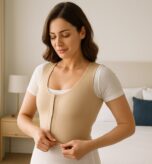
The answer to why the use of a compression garment is recommended after a tummy tuck is given as follows: during the operation, the skin’s connection with the underlying tissue is reconstructed, and the medical compression garment applies balanced pressure from the outside, ensuring these tissues heal together smoothly, while also lowering the risk of fluid accumulation (seroma) and speeding up the elimination of edema from the body. The compression garment takes on the role of an external skeleton during the body’s recovery period.
Regularly wearing the compression garment for the period specialists specify (generally four to six weeks) stabilizes the form of the abdomen, easing movement pressure on the sutures. Patients may feel mild discomfort from the tightness of the garment in the first days, but the support this medical garment provides to the abdominal wall while standing up or coughing is noticed quickly. This habit, which helps the body adapt to its new shape, is an important care step that externally crowns the cellular success of the operation.
How Is Scar Management Achieved in a Tummy Tuck Operation?
The question of how scar management is achieved in a tummy tuck operation is answered as follows: since a surgical incision is made, a thin line will naturally remain, but this scar is placed with aesthetic skill so as to be hidden beneath the underwear line or a bikini; the scar’s visibility is organically brought closer to skin tone with silicone tapes and special repair creams used during the recovery months. Although the skin’s wound-healing character varies from person to person, scar management is possible.
To reduce tissue tension on the incision line, sutures are generally placed hidden in layers beneath the skin. Regular scar massages, begun once the recovery stage is complete and the tapes are removed, support the softening of the tissue in that area. In later years, scars generally take on a faded line form. Individuals experience the social and aesthetic relief of preferring a thin line that can be hidden behind clothing, rather than carrying sagging, deformed abdominal skin.
How Is a Tummy Tuck Operation Performed in Men?
The answer to how a tummy tuck operation is performed in men is given as follows: male individuals who experience hollowed-out, sagging skin folds in the stomach area following significant weight-loss processes frequently benefit from this surgical contouring procedure, with special incision planning suited to their anatomical structure, muscle lines, and fat-distribution characteristics. The need for aesthetic repair is related to the body’s loss of form rather than gender, and is revised in line with the needs of the male body.
In men, rather than a waist-area curve, the goal is generally to create a straighter, more masculine abdominal line. The bulge created by sagging skin when wearing a shirt or T-shirt gives way, after the procedure, to a flat, well-formed body. Advanced fat-removal techniques are sometimes also integrated into the procedure to define the abdominal muscles (the “six-pack” area). Male individuals, just like women, participate in their lives much more energetically thanks to this new, taut posture of their body.
What Does Buşra Nur Özger’s Approach Cover in the Tummy Tuck Procedure?
The question of what Buşra Nur Özger’s approach covers in the tummy tuck procedure is answered as follows: it covers a transparent counseling vision that, rather than imposing a standard mold on the individual’s body, analyzes their skin quality, muscle deformation, and psychological expectations with an empathetic approach, gives honest information about the limits of the operation to present a rational aesthetic plan, and compassionately supports the patient in a manner compatible with medical processes throughout the recovery timeline.
Concerns patients carry in their minds before getting on the operating table — such as scarring, recovery time, or return to social life — are addressed with compassionate communication. The person is told that this process is a journey of patience and bodily adaptation. When the individual understands that the procedure to be done on their body is not just an external incision, but a repair that begins from the inside, their trust in the clinical team is strengthened. Establishing this bond of trust provides high motivation both at the start of the process and in accepting the aesthetic result achieved months later.
Frequently Asked Questions
1. Is a tummy tuck operation a weight-loss procedure?
This operation is not a weight-loss method; it aims to shape body contour by removing excess skin remaining on the body after weight-loss processes.
2. What type of anesthesia is used during the operation?
Since the muscles need to fully relax due to the scope of the procedure and the extent of the repair to be made to the muscle tissue, the procedure is performed under general anesthesia.
3. How many days must one stay in the hospital?
Patients are generally scheduled for one or two nights of hospital stay after the operation for general medical observation, fluid-drainage monitoring, and to comfortably get through the sensitivity of the first days.
4. What is drain use and when is it removed?
Drains are thin tubes that reduce swelling by removing leaked fluid that could accumulate beneath the skin; they are painlessly removed by the specialist a few days after the operation.
5. When can one shower after the operation?
Once the drains are removed and the tapes on the incision areas become suitable for water contact, a warm, standing shower is generally allowed on the third or fourth day.
6. Is the surgical scar noticeable from the outside?
Since the resulting horizontal line-shaped scar is planned to remain low, within the boundaries of underwear or a bikini bottom, it is not visible with everyday clothing.
7. Why is the belly button’s position changed?
In comprehensive procedures, since the upper skin is stretched downward, the old belly button location remains below; for this reason, a new window is opened in the skin at the current location, and it is repositioned.
8. Wouldn’t just liposuction (fat removal) be enough?
If the person’s skin elasticity is weak and there is separation in their muscles, even if fat tissue is removed, the skin will sag more; stretching the skin as well is essential for correction.
9. Can one become pregnant after a tummy tuck operation?
Medically, there is no obstacle to becoming pregnant; however, since a new pregnancy would stretch the abdominal tissue and repaired muscles again, it could cause the achieved aesthetic form to stretch.
10. Will I have difficulty walking upright after the operation?
To avoid straining the sutures in your abdomen, walking slightly bent forward is recommended in the first weeks; as the tissues adapt, a gradual transition is made to an upright standing position.
11. How long will I need to wear the compression garment?
To ensure the tissues heal smoothly together, edema is eliminated, and the abdominal muscles are supported, wearing the special compression garment for an average of four to six weeks is requested.
12. When can I return to work and social life?
If you work a desk job that does not require physical exertion, you can generally return to your routine within ten to fifteen days, depending on your bodily recovery.
13. Can I do sports during the recovery period?
For the first six weeks, weightlifting or strenuous sports that would increase intra-abdominal pressure should be avoided; instead, light-paced walking that does not tire the body should be preferred.
14. How does smoking affect wound healing?
Tobacco products narrow the capillaries, dramatically lowering the amount of oxygen reaching tissues, and can disrupt wound repair, so it is important to stop it around the time of the operation.
15. What does Buşra Nur Özger recommend to patients regarding pre-operative expectations?
She recommends that individuals accept their body’s capacity, know that healing is a time-taking organic process, and trust aesthetic goals suited to their own anatomy.