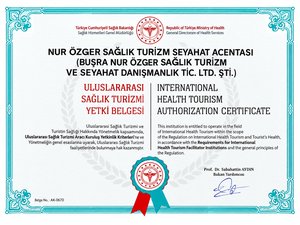

 Trusted by over 5,000 patients in more than 30 countries




What Should Be Considered After a Tummy Tuck Surgery?
The recovery period following this surgical intervention—where tissues at the center of the body bearing the traces of pregnancy, time, or intense volume fluctuations are reconstructed with an aesthetic vision—is an organic process that requires individuals to approach their own rhythm and anatomy with compassion. Waking up from the procedure room into a new body contour, individuals reorganize their daily life habits for a certain period to ensure the permanence of the targeted smooth and proportional silhouette. A Tummy Tuck operation is not merely a superficial step where excess skin is removed, but a deep restoration where separated muscle fascia is repaired from the inside, granting the body a natural corset. Following this comprehensive repair, the body must be given the time it needs for tissues to fuse together, fluid elimination to progress normally, and tension along the suture lines to decrease. When patients move from the clinic to their homes or hotels, they incorporate a series of meticulous details into their lives, ranging from sleeping positions to dietary routines, corset use to steps for returning to social life. Following this major change it has been exposed to, the body works intensively at the cellular level to recover; the task falling to the individual is to provide a calm, serene, and conscious external support to this effort.
The psychological and physical management of the process are directly connected. In centers with advanced medical infrastructure and a patient-oriented approach like Istanbul, recovery days are planned not as an exhausting illness period, but as a renewal break where aesthetic goals are approached step by step. Thanks to Buşra Nur Özger’s special information principles, every situation the patient may encounter—from the first days at home to social life months later—is explained in a transparent language. An individual setting out with rational goals accepts the edema formed in their body, the tension they feel, or the fine suture scars as a normal adaptation phase. Recovery is a satisfying journey where every day feels better than the previous one, and the anticipated smooth appearance emerges as the edema subsides. Individuals who allow their body to find its own nature, follow medical advice, and act patiently enjoy not only that new posture inside their clothes at the end of this journey, but also their rising life energy.
How Should the Body Be Supported Within the First 24 Hours After Surgery?
Following the completion of the surgery, patients are closely monitored by expert nurses in the hospital environment, and the adaptation process of their bodies to the new form is initiated. In the first hours, a tight wrapping sensation created by bandages and the corset arises in the abdominal region; this is a normal support designed for the tissues to cling to one another. As the effect of anesthesia gradually fades from the body, the patient’s comfort is kept high through administered medical drugs. The body is in search of a new balance following the removed excess tissue and repaired muscles. In this first twenty-four-hour period, vital signs, the circulatory system, and fluid balance are monitored by professional teams.
After a few hours, the patient is asked to sit on the edge of the bed and take their first steps with support. During this first walk, to prevent the new stitches on the abdominal wall from stretching, the individual is encouraged to step slightly bent forward (in a V position) rather than standing upright. Getting up early helps stimulate blood circulation in the legs, aiding the initiation of cellular repair. While resting in their room or taking short steps, the patient learns to listen to the signals given by their body. At the end of the day, it is realized how high the recovery power is despite the major change the body has been subjected to, and the person leaves the excitement of the first day behind with a peaceful rest.
What Should Be the Ideal Sleeping Position During the Home Rest Period?
When transitioning to the home environment, to minimize tension on the abdominal wall and ease the mechanical load on the stitches, the body is ensured to rest in a slightly folded V-shape while lying on the back by placing supportive pillows under the head, shoulders, and knees. Lying flat on the back or turning face down increases tension on the abdominal skin, both lowering sleep quality and complicating the repair of the wound tissue. Since the body may make involuntary movements throughout the night, these supportive barriers created with pillows greatly help the person stay in a safe position.
Although patients may find this new sleeping routine a bit unusual in the first weeks, they comprehend the benefit of the practice when they wake up in the morning and notice that loose and relaxed feeling in their abdominal region. Instead of getting strength directly from the abdominal muscles when getting out of bed, slowly rising by turning to the side and taking support from the arms is a crucial reflex that protects the muscle fascia repaired inside. As time progresses, the body’s flexibility returns, and usually after the tenth day, the person attains the conditioning to fall asleep in flatter and more comfortable positions. Until then, this sheltered sleeping style is maintained as one of the most fundamental helpers of recovery.
| Resting Position | Physical Benefit | Things to Consider |
|---|---|---|
| V-Shaped Lying (Supine) | Alleviates suture tension on the abdominal wall, relaxes the muscles. | Head, neck, and under the knees should be supported with thick pillows. |
| Walking Slightly Bent Forward | Lowers the tension of the new skin when standing up. | Sudden straightening should be avoided for the first 7-10 days. |
| Getting Up by Turning to the Side | Reduces the pressure on the midline muscles stitched inside. | Support should be taken from the arms, abdominal muscles should not be strained. |
How Does the Use of a Medical Corset Affect the Recovery Schedule?
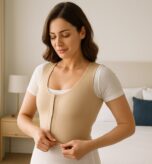
Medical corsets, which apply a balanced and enveloping pressure to the abdominal wall from the outside, support the skin to fuse smoothly with the underlying muscle tissue, while reducing the possibility of fluid accumulation (seroma) that may form between the tissues and giving a strong momentum to the process of eliminating edema from the body. Following Tummy Tuck procedures, the corset acts almost like the person’s second skin and external skeleton. The tissues reshaped at the moment of the operation are not yet fully attached to each other; the sweet pressure provided by the corset opens up a sheltered area for these structures to fuse without being affected by gravity or movements.
Patients may experience a slight adjustment period in the first few days due to the tightness of the corset. However, when they feel this support provided to their abdomen while standing up, laughing, or coughing, they realize how useful a tool the corset is. In line with the guidance of experts, it is generally recommended to be used day and night, except for shower times, for between four and six weeks. Regular corset use is one of the most crucial habits supporting the settlement of the waist curve, the flattening of the abdominal region, and the body regaining its new silhouette from the outside.
When Can One Switch to the Bathing Routine After the Removal of Drains?
Thin tubes (drains) that drain leakage fluids that may accumulate under the skin are usually removed by the physician a few days after surgery when the fluid amount drops to a reasonable level; following the evaluation of this procedure and the suitability of the tapes on the suture areas, patients are mostly permitted to take a standing, lukewarm shower on the fourth or fifth day. The removal of drains is a very practical step taking only seconds and creating no sensitivity in the body. After the tubes are removed, the person feels much lighter and freer.
The first bathing experience is a moment that relaxes the body and gives morale to the patient. Ensuring that the water is not too hot prevents the sudden acceleration of blood circulation in the scalp or body from increasing edema. It is desired that hard water is not sprayed directly onto the incision areas, and the area is cleaned only with the flow of water. Instead of drying harshly with a towel after getting out of the shower, taking the moisture away by making gentle tampon movements with a clean towel and keeping the suture areas dry is a subtle yet valuable detail protecting wound health.
How Does the Nutrition Routine Contribute to Tissue Recovery?
Consuming high-fiber foods that do not tire bowel movements, taking quality protein that nourishes cell repair, and drinking plenty of water sip by sip throughout the day accelerate the body’s internal repair process, helping the wound tissue fuse in a much more organic manner. In the postoperative period, constipation or gas problems that may occur due to the slowing down of the digestive system lead to the stretching of the repaired muscles by increasing intra-abdominal pressure. Since this tension will cause discomfort to the patient, the nutrition routine must be carefully planned like medication.
Olive oil vegetable dishes, fresh fruits, and foods rich in vitamin C contribute to skin recovery by supporting collagen synthesis. In addition, staying away from processed foods with high salt and sodium content limits the retention of edema (swelling) in the body, allowing fluid to be eliminated faster. Drinking water supports keeping tissues moist, the fluidity of blood circulation, and the increase of oxygen going to cells. Patients feeding with small but frequent meals without filling their stomachs too much keeps their energy levels high during the recovery months.
How Should Scar Care Be Conducted During the Recovery Months?
To ensure that the surgical incision scar—concealed with aesthetic mastery inside the underwear or bikini line—fades, softens, and harmonizes with skin color within the months following the removal of tapes, steps such as using silicone-containing restorative gels, performing regular tissue massages, and protecting the scar from UV rays are followed. The skin’s wound repair character is unique to the individual; however, these supportive interventions from the outside largely help prevent the scar from becoming raised (hypertrophy) and reaching a flatter and fainter line form.
The incision line draws an active appearance in red or pink tones in the first weeks. Cream-assisted massages started in the weeks approved by the physician regulate the collagen arrangement in that area and impart elasticity to the skin. Not exposing the scars to direct sunlight for the first year is very valuable to prevent the formation of permanent dark-colored pigmentation. When individuals pass in front of the mirror, instead of the old sagging skin folds, they see a fine line that can be easily concealed under clothing and blends into the skin color within months as a much more organic and acceptable aesthetic form.
When Does the Return to Desk Work and Social Life Take Place?
Individuals working in desk jobs that do not require physical strength and do not tire the body can easily return to their daily routines and office environments usually between the tenth and fifteenth days after the operation, depending on their own pain thresholds and tissue healing rates. Recovery is a gradual phase where every day feels more vigorous than the previous one, and the body finds its own rhythm. The person does not need to imprison themselves at home; on the contrary, mixing into social life with small steps raises morale levels.
The slightly bent and cautious steps of the first week leave their place to straighter and more comfortable walks when entering the second week. Wearing their corset under their clothes, the person can drink their coffee outside or sit at their computer. However, even when returning to work, avoiding sitting in the same position for a long time and frequently getting up to take short office walks supports blood circulation. Movements that will increase intra-abdominal pressure, such as carrying heavy files or grocery bags, should be stayed away from for a while longer. Seeing how neatly their clothes fit on them, individuals feel a high sense of self-confidence when they return to social life.
At What Stage Can Sports and Exercise Programs Be Started?
While short indoor walks and non-strenuous flat-road walks are approved from the first days of recovery, for sports such as pilates stretching the abdominal muscles, weightlifting, swimming, or intense cardio, it is essential to wait for the completion of usually the sixth or eighth week after surgery, awaiting the complete fusion of internal stitches. Sports are an inseparable part of a healthy life, but sudden efforts made while tissues are still fresh may cause the fascia repaired inside to open up.
Supporting that new and tight form of the body with sports after a comprehensive body shaping is very valuable. When returning to sports with physician control after two months, individuals notice a solidity and resistance in their abdominal center that they have not experienced before. The fact that the separated muscles are joined at the midline increases the body’s core strength. When individuals return to the gym after these months of rest they waited for with patience, they enjoy getting much higher efficiency from physical activities.
| Physical Activity | Timeline | Things to Consider |
|---|---|---|
| Light Walks | From Day 1 | Should be done without tiring oneself, indoors or on flat ground. |
| Brisk Walk / Elliptical | 3 – 4 Weeks Later | Should be started without straining the abdominal region and without raising the pulse too much. |
| Weight and Abdominal Exercises | 6 – 8 Weeks Later | After taking physician approval and making sure the stitches have fused. |
How is Postoperative Follow-Up Organized in Istanbul Clinics?
A holistic service network is offered where patients coming from out of town or living locally undergo regular wound checks during their post-discharge hotel or home rest, the medical team can be reached quickly through communication networks in case of any question mark, and the patient’s psychological comfort is kept at the forefront. Istanbul’s hospitality in the field of health is a strong support mechanism surrounding the patient even during the recovery period of aesthetic processes.
While resting in a comfortable hotel room, the patient is in constant contact with nurse teams for procedures such as dressing changes or drain removal. Thanks to the patient-oriented vision adopted by Buşra Nur Özger, the individual in the recovery phase experiences the confidence of “a professional team is by my side while getting used to this new body” rather than the feeling of “I had surgery and it’s over.” For patients returning out of town, a travel suitability evaluation is made, and a long-term online follow-up system covering the months at home is activated.
What Can Be Done to Eliminate Swelling and Edema from the Body?
To alleviate fluid accumulation (edema)—which is a natural reflex created in the body by surgical intervention and tissue separation—disciplined use of the medical corset, restriction of salt intake, consumption of plenty of fluids, and the application of lymphatic drainage massages started in weeks deemed appropriate by the physician provide a major contribution to the process. Edema is a natural companion of wound healing and may cause the abdominal region to appear slightly more swollen than targeted in the first weeks.
Later in the day, when standing for too long, it is an expected situation for edema to move downwards due to the effect of gravity or for the feeling of swelling to increase. It takes time for the body to expel this excess fluid via the lymphatic system. Edemas that subside largely at the end of the first month reveal the actual thin and curved form of the abdomen. When the sixth month is reached, tissues soften completely and those hardnesses under the skin disappear, obtaining a smooth abdominal profile. By conveying this timeline to individuals, it is reminded that momentary swellings are not permanent.
Does Pregnancy or Excessive Weight Gain Change the Form Obtained?
It is crucial for the person to maintain weight stability so that the tight abdomen obtained by the operation, the muscle structure stitched from the inside, and the fine waist curve can be preserved for many years; because a new weight gain or pregnancy process to be experienced at high rates can force the body to stretch again, affecting the permanence of the aesthetic form. The Tummy Tuck procedure offers the person an organic and flat starting point, but the key to preserving this structure is the individual’s own healthy lifestyle habits.
Of course, small-scale weight fluctuations do not lead to major deformation. Likewise, there is no medical obstacle for a woman who has undergone the operation to get pregnant; skin and muscles can stretch enough to make room for the baby. However, although this stretching does not completely revert the procedure to its old state, it can cause slight looseness in the abdominal wall again. By honestly conveying this physiological reality to individuals, it is emphasized that the surgery is not magic, but a major aesthetic investment made in the body, offering lifelong comfort when well cared for.
When Do Sensitivity and Numbness in Suture Areas Pass?
Since skin release is performed in a wide area, experiencing temporary loss of sensation, numbness, or tingling around the abdominal surface and incision line in the first months is a normal consequence of the effort of cut fine nerve endings to repair themselves, and this situation gradually disappears within months with the body’s own repair speed. Patients should not panic due to this feeling of alienation they feel when they run their hands over their abdomens.
The body’s nerve network renews itself quite slowly but steadily. The needle-pricking or sweet itching felt from time to time are positive signals that the nerves are revitalizing and connecting to the tissue. Usually after the sixth month, this numbness feeling largely disappears, and the person begins to feel the sense of touch in its old organic state. Without interfering with this flawless repair activity carried out by the body with its own timing, simply observing the process with serenity is the most correct approach.
Frequently Asked Questions
1. What is the length of hospital stay after surgery?
Depending on the patient’s general condition, fluid drainage tracking, and pain control, being hosted in the clinic for one or two nights is generally sufficient in terms of medical comfort.
2. When does the feeling of tension in my abdominal region decrease?
This tension, which is at its highest level in the first days, subsides largely by the end of the first month as tissues adapt to their new positions and edemas go down.
3. Why is it recommended for me to walk bent forward?
It is necessary to bend the body slightly forward for the first 7-10 days to ease the mechanical load on the new stitches on the abdominal wall and ensure the wound fuses peacefully.
4. Can I take off my corset while sleeping at night?
It is requested that the special medical corset be used regularly day and night, except for showers, for the 4-6 weeks specified by your physician for the tissues to fuse smoothly and edema to be eliminated.
5. When is it appropriate for water to touch the surgical area?
Following the removal of drains, depending on the condition of the tapes on the stitches and with your physician’s approval, a standing lukewarm shower can usually be taken 3-4 days after the operation.
6. Will my stitches need to be removed?
Since aesthetic internal stitches that the body can melt on its own over time are generally used in modern surgical techniques, a separate stitch removal procedure is not required afterwards.
7. Will my surgical scar disappear completely?
Biologically, every surgical incision leaves a fine scar, but this scar is hidden in the underwear line and fades over time to harmonize with your skin color.
8. Will the shape of my belly button change?
During the operation, your belly button is reconstructed remaining faithful to its original anatomy; when recovery is complete, it attains a natural and organic appearance.
9. Is it normal to feel numbness in my abdomen during the recovery process?
Since a wide tissue procedure is performed, experiencing temporary numbness or loss of sensation in the abdominal skin in the first months is quite normal during the repair of nerve endings.
10. When can I return to my desk job?
If you have a working environment where you do not exert physical effort, you can generally return to your routines within ten to fifteen days depending on your body’s repair speed.
11. When can I start doing sports?
Light indoor walks can be started immediately, but an average six-week fusion period should be awaited for weightlifting and abdominal exercises that will strain the stitches.
12. When should I start using cream for scar care?
After the tapes on the incision line are completely removed and the wounds are closed, you can start scar massages with silicone-based restorative gels recommended by your physician.
13. Does smoking affect my recovery process?
Since tobacco products narrow capillaries, reduce the amount of oxygen going to tissues, and can disrupt wound repair, taking a break until recovery is complete is of great importance.
14. Will my movements be restricted if my abdominal muscles are stitched?
Stitching the muscles at the midline supports internal organs and flattens the abdomen; it does not restrict your movements after the recovery phase in the first weeks, on the contrary, it adds strength to your core region.
15. What does Buşra Nur Özger recommend to patients for the recovery period?
She recommends that they respect their body’s repair rhythm, follow medical advice without acting hastily, and see recovery as a serene renewal break they set aside for themselves.