
 Trusted by over 5,000 patients in more than 30 countries


What Should Nutrition Be Like After a Tummy Tuck Surgery?
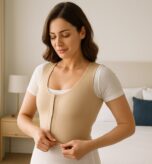
In the repair phase that the body enters following surgical intervention, incorporating protein sources that support cellular regeneration, vitamins that increase collagen production, and high-fiber foods that do not tire the digestive system into daily meals, and adopting a nutrition routine balanced with plenty of water consumption that facilitates the elimination of edema forms the foundation of recovery. Following this constructive process where the midline muscles are repaired and excess skin is removed from the body, the body undergoes a major energy expenditure. It is essential for the immune system to be nourished with the right building blocks for the incision sites to fuse, tissues to adapt to their new locations, and anesthetic drugs to be cleared from the body. The diet should be planned strategically not only to ensure weight control, but also to prevent gas and constipation problems that can increase intra-abdominal pressure. Just as the medical corset worn externally supports the body following a well-designed Tummy Tuck operation, clean foods taken internally support the cellular structure at the same rate.
Recovery days are a delicate time period when the body returns to its own nature and rebuilds itself. In metropolises with an advanced health vision like Istanbul, patients are offered comprehensive guidance not only on wound care upon discharge, but also on meal planning at home. The physiological effects of nutrients on wound healing are significant; for example, inadequate protein intake slows down tissue fusion, while high sodium (salt) consumption causes the body to retain edema, prolonging the feeling of swelling in the abdominal region. Thanks to Buşra Nur Özger’s special information approaches, patients learn through empathetic and transparent communication how every bite they take into their bodies contributes to the repair process. This diet model, consisting of small but frequent portions that do not tire the stomach, helps the patient feel energetic throughout the day. Fresh vegetables, healthy fats, and vitamin-rich fruits increase the quality of blood circulation carrying oxygen to tissues. This organic nutrition habit, which respects the body’s rhythm, is also the greatest key to preserving that smooth and flat body contour obtained by the operation without deterioration for many years.
Which Foods Should Be Consumed in the First Days After Surgery?
In the first days when anesthesia clears from the body and the digestive system is still working slowly, liquid-weighted, soft-form foods such as lukewarm soups, sugar-free compotes, mashed vegetables, and yogurt form the main theme of meals. Following a surgical intervention, bowel movements tend to slow down temporarily. Consuming solid, spicy, or high-fat foods during this period makes digestion difficult, creating a feeling of fullness and discomfort in the stomach.
To enable patients to spend this first phase comfortably, it is recommended that they keep portions small and feed at frequent intervals. Warm soups prepared with chicken or meat broth both meet the body’s fluid needs and provide the amino acids required for wound healing in an easily digestible form. The body, wishing to spend recovery energy solely on tissue repair, is spared from expending extra effort for digestion. Starting from the third day, as the intestinal flora finds its own regular rhythm, the patient can gradually transition to normal solid foods, boiled meats, and salads.
Which Protein Sources Should Be Preferred to Support Tissue Repair?
Placing quality proteins of animal or plant origin (boiled eggs, grilled chicken, fish, lentils, and quinoa) at the center of the diet for the fusion of incision lines, the strengthening of repaired abdominal muscles, and new cell production holds great importance for the body to build itself. Proteins are the fundamental building blocks of skin and muscle tissue. Tissues separated during the operation attach to each other and achieve a solid wound closure only when the amino acid level in the blood is sufficient.
Patients keeping a protein source in every main meal visibly eases the recovery schedule. Especially fish, thanks to the Omega-3 fatty acids it contains, both meets protein needs and helps alleviate edema by reducing inflammation in the body. Legumes, which are plant-based protein sources, are also valuable supporters during the recovery process; however, due to their gas-producing properties, starting to consume them after the first week of the operation has passed and the intestines are in order is a much more reasonable step.
| Protein Source | Contribution to Recovery | Consumption Recommendation |
|---|---|---|
| Egg (Boiled) | Accelerates tissue fusion by offering amino acids with high biological value. | Can be consumed every day at breakfast, with low salt. |
| Grilled Fish (Salmon) | Lowers inflammation with Omega-3, soothes redness in the wound area. | 2-3 times a week, steamed or baked. |
| Plant Proteins (Quinoa, Chickpeas) | Nourishes muscles and supports digestion with its protein structure combined with fiber. | Starting from the second week, by adding to salads in a well-boiled form. |
How to Prevent Gas Bloating That Increases Intra-Abdominal Pressure?
In order to prevent the repaired midline abdominal muscles and stretched skin from being exposed to internal pressure; keeping foods that produce gas in the stomach, such as beans, broccoli, cabbage, carbonated drinks, and excessive milk, away from the diet in the first weeks, and eating meals slowly and chewing thoroughly is the basic rule of ensuring intra-abdominal peace. The muscle fascia repaired from the inside (corset stitching) is sensitive to tension in the first days when the stitches are fresh.
Intense gas accumulated in the stomach or intestines causes the abdomen to swell forward, creating a mechanical load on these stitches. Patients may find it difficult even to breathe during these moments of bloating. In order not to experience this situation, taking care not to talk while eating to avoid swallowing air, and sipping drinks without using a straw provides benefits. To soothe bloating, digestive-relieving spices such as cumin or fennel can be added very lightly to meals with physician approval. Keeping the abdomen flat and calm ensures that wound fusion is smooth.
How Should Fluid Consumption Be Regulated to Accelerate Edema Elimination?
To strip the fluid accumulation (edema) created in the body by surgical trauma away from the cells, drinking at least two and a half to three liters of water spread throughout the day, supporting the kidneys with sugar-free herbal teas, and providing the cellular moisture that tissues need is the most practical yet most effective purification method of the recovery phase. Many people fall into the fallacy that drinking water when edematous will increase swelling; whereas the only way to expel excess water in the body is for clean water to enter the system.
When sufficient fluid is not taken, the body traps the water it has in the tissues as a defense mechanism. Drinking plenty of water makes blood circulation fluid, facilitating the transport of oxygen to cells, and clears anesthesia residues through the kidneys. Following a carefully planned Tummy Tuck procedure, the feeling of fullness the patient feels while using the medical corset lightens a little bit more each day thanks to regular water consumption. A few drops of lemon or fresh mint leaves to be added into the water both facilitate drinking and support the alkaline balance.
Why Is Reducing Salt Important During the Recovery Period?
Since the sodium mineral has the property of retaining water between cells, restricting the amount of salt in postoperative meals, staying away from processed foods, packaged snacks, and pickled products is an organic step that must be taken for the swellings in the abdominal region to subside on the targeted schedule. The body traps water to balance the sodium ratio, and this situation leads to the edema in the surgical area becoming permanent.
Patients preparing their own meals with fresh products during the rest period at home ensures that they are protected from hidden salt sources (ready-made sauces, bouillons, canned foods). Using natural herbs such as thyme, black pepper, and dill instead of salt to increase the flavor of dishes satisfies the palate while preventing the body from retaining fluid. Salt-free nutrition is a very valuable diet principle that reduces tension on the stitches and allows the patient to feel light inside their corset.
What Is the Role of Vitamin C and Collagen Production in Wound Healing?
In order for skin tissue to regain its flexibility, for the incision line to close properly, and for the production of new collagen fibers essential for wound repair, incorporating citrus fruits, kiwi, strawberries, dark green leafy vegetables, and tomatoes—which are antioxidant stores rich in vitamin C—into daily nutrition accelerates the wound repair process on a cellular scale. Vitamin C is the strongest catalyst the body needs to weave its own bandage.
When collagen synthesis is not sufficient, surgical scars tend to remain red and prominent. However, in addition to scar creams applied externally, vitamin C taken internally supports scars fading quickly and the tissue approaching skin tone. Especially a freshly squeezed orange juice to be consumed at breakfast or plenty of lemon to be added to lunchtime salads acts as a shield for the body against potential infection risks by strengthening the immune system. The body repairs itself much more smoothly with these colorful healing sources offered by nature.
What Are the Fibrous Foods That Regulate Bowel Movements?
To solve the constipation problem that may be caused by the painkillers used and decreased physical mobility, and to lower intra-abdominal pressure; spreading foods with high fiber content that work by sweeping the digestive system, such as oatmeal, whole wheat bread, skinned apple, pear, prune, and spinach, across meals is the key to a comfortable recovery period.
- Dried Fruits: When consumed with warm water, dried apricots or prunes gently stimulate bowel contractions.
- Whole Grains: Dark bulgur or oats preferred instead of white flour provide long-term satiety while facilitating passage through the digestive tract.
- Fresh Vegetables: Vegetables such as olive oil leeks, spinach, or zucchini protect the regular rhythm of the intestine with the water and fiber they contain.
Constipation is one of the situations that operated patients fear the most because a straining reflex during toilet use leads to stinging in the abdominal stitches. Fiber-rich nutrition completely eliminates this fear, guaranteeing that the body’s digestive cycle works quietly and smoothly.
What Are the Foods That Should Not Be Consumed After Surgery?
Keeping overly sugary desserts, fried foods, fast-food products with heavy sauces, carbonated drinks, and alcoholic beverages that negatively affect blood circulation—which slow down wound healing, increase inflammation in the body, and cause fluid retention—away from the body throughout the recovery schedule is extremely important for preserving cellular success. The body’s repair energy should not be spent digesting these heavy foods.
Alcohol not only tires the liver, but can also increase the risks of minor leakage in suture areas by creating a blood-thinning effect and can interact with medical drugs. Excessive refined sugar is a substance that damages the collagen structure in the skin (glycation). To get the return on this major aesthetic investment they made in their own bodies, patients should remove processed packaged products from their kitchens and turn to fresh and organic options offered by nature. Clean nutrition is the mirror of recovery.
| Food to Avoid | Negative Bodily Effect | Healthy Alternative |
|---|---|---|
| Carbonated and Sugary Drinks | Causes gas in the stomach, increases tissue edema. | Freshly squeezed fruit juices, sugar-free herbal teas. |
| Deep Fried Foods | Triggers inflammation (swelling), locks digestion. | Baked or grilled light vegetables and meats. |
| Alcohol and High Caffeine | Impairs circulation, disrupts sleep, and leads to fluid loss. | Relaxing chamomile tea, warm water with plenty of lemon. |
Why Is Preventing Blood Sugar Fluctuations Important?
Since sudden drops or spikes in blood sugar consume the patient’s energy level, leading to feelings of fatigue and weakness, and also weaken the repair capacity of the skin tissue; making frequent and balanced snacks with complex carbohydrates with a low glycemic index instead of simple carbohydrates is a basic nutrition strategy that ensures the patient feels vigorous and motivated during recovery days.
In the first weeks after the operation, the metabolic rate slows down a bit due to immobility. The individual may experience sweet cravings out of boredom. However, suddenly rising blood sugar causes a sharp drop shortly after, leaving the person too weak to want to get out of bed. To keep blood sugar in balance, snacks such as walnuts, raw almonds, green apples, or a bowl of yogurt should be preferred. The stability of the energy level allows the patient to make their daily short walks more enjoyable and psychologically adapt to the process.
How Is Diet Planning Made After a Tummy Tuck in Istanbul?
Thanks to the wide fresh food opportunities offered by the metropolis and the professional dietitian supports of health centers, a completely personalized organic nutrition map suitable for the patient’s personal palate, allergy status, and metabolic rate is drawn, organizing the individual to peacefully get through their recovery days at home or in the hotel without experiencing any nutritional deficiency. Istanbul manages every moment of the medical process in an inclusive way.
Instead of giving their patients stereotyped diet lists when discharging them, many clinics explain the philosophy of nutrition. Local kitchens that send healthy meals are recommended for guests who do not have time to cook. The entirety of the process is built on the tight form obtained in the abdomen of the person shining with inner health. Thanks to this guidance, the individual does not experience confusion about what to eat and transforms their kitchen into a small healing center that will support the recovery process.
How Is the Nutrition Process Managed with Buşra Nur Özger’s Special Approaches?
Starting from the fact that nutrition is not just a diet list, but a compassionate response to the body’s call for repair; instead of offering stressful menus full of prohibitions to the patient, the process is managed with a transparent and constructive counseling model where the bodily benefits of turning to organic and clean foods are explained in an empathetic language, and the individual’s psychological comfort is cared about as much as nutrition.
In this approach, also expressed by Buşra Nur Özger, the person chooses of their own free will to stay away from food selections that would make them feel guilty when looking in the mirror after surgery. Because it has been conveyed to them within a logical framework how the water they drink heals their wound and how the protein they eat connects their muscles. The individual wants to protect this investment they made in their body. This awareness established in communication enables the patient to permanently change their lifestyle in a positive direction and accept the aesthetic operation as a healthy milestone.
Why Do Iron and Zinc Minerals Play a Critical Role During the Recovery Period?
To compensate for the usual blood losses that can be experienced during the surgical procedure, iron, which ensures the regeneration of blood cells, and zinc minerals, which undertake a key role in cell division and wound closure, being regularly taken from sources such as red meat, spinach, pumpkin seeds, and lentils help the body complete tissue repair flawlessly by strengthening its cellular defense line.
Iron deficiency causes the person to feel tired, pale, and weak; this situation is an indicator that oxygen cannot be transported to cells sufficiently. Wound tissue left without oxygen heals late. It is a very practical biological support for patients to definitely have a fresh salad containing vitamin C (greens with lemon) alongside red meat consumption to increase iron absorption. Zinc is almost the construction master inside the body itself; it organizes cells to divide quickly and attach to each other. These silent heroes at our table are the architects of aesthetic success.
How Should Nutrition Habits Be to Preserve the Form Obtained in the Long Term?
In order for the flat and curved abdominal profile obtained by the operation to be preserved for years without sagging or getting fatty, it holds great importance to make a clean lifestyle—based on sustainable, Mediterranean-type fresh foods instead of temporary diets, where portion control is internalized and which is purified from refined sugar and processed fats—a permanent nutrition habit. The surgical procedure offers the individual an excellent starting point, but preserving this structure passes through the individual’s kitchen.
If a person who has undergone a successful Tummy Tuck operation returns to their old unhealthy nutrition routines and gains weight at a high rate again, the muscles stitched from the inside begin to stretch, and the cells under the removed skin start to store fat again, pushing the abdomen forward. Individuals are frequently reminded that the surgery is not a slimming tool, but an award crowning a slimmed and in-shape body. Patients who learn to see foods not as a tool of pleasure, but as the fuel of the body carry that high self-confidence they feel in front of the mirror for a lifetime.
Should Fluid Consumption Be Limited Only to Water?
Although water takes the leading role in edema elimination and circulation, adding stomach-soothing herbal teas such as decaffeinated green tea, chamomile, fennel, and linden to the diet with moderate portions, and freshly squeezed sugar-free vegetable and fruit juices, in order to color the fluid cycle during the day and provide antioxidant support, increases the patient’s fluid intake motivation and turns the recovery process into an enjoyable internal purification camp.
The consumption of black tea or dense coffee with high caffeine content can cause the body to lose the moisture cells need by creating a diuretic (water-expelling) effect in the body; for this reason, it is requested that such drinks be restricted in the first weeks. Instead, a warm chamomile tea to be drunk in the evenings both alleviates tension in the muscles and facilitates transition to night sleep. The power of fluids works like a river cleaning the inside of the body; the clearer and more natural fluids are preferred, the more organically and smoothly the repair speed of the whole body, from the cells in the scalp to the toes, progresses.
Frequently Asked Questions
1. Why are only liquid foods recommended in the first days after surgery?
Since the digestive system works slowly after anesthesia, very easily digestible liquid and pureed foods are preferred in order not to tire the stomach and to prevent swellings that will increase intra-abdominal pressure.
2. How much water should I drink during the recovery process?
It is very important that you drink an average of two and a half to three liters of water spread throughout the day so that the body can expel the accumulated edema, cells are moisturized, and blood circulation is supported.
3. Why do I need to completely cut back on salt consumption?
Sodium contained in salt leads to water retention (edema) in the body, delaying the subsidence of swellings in your abdominal region and creating extra tension on the suture lines.
4. Which vitamins should I focus on for my scars to heal quickly?
You should focus on foods containing vitamin C, which triggers collagen production and ensures smooth healing of wounds, and zinc, which supports cell division.
5. When can I start drinking coffee?
Since dense caffeine can lead to water elimination from the body and sleep irregularities, it is generally more suitable for your body to take a break for the first week and then drink it in moderate amounts.
6. What should I do to avoid getting constipated after surgery?
You should consume high-fiber foods such as oats, dried apricots, and spinach and not neglect your daily walks so as not to strain the abdominal stitches by straining during toilet use.
7. Why is protein consumption so crucial?
Proteins taken from the outside are the sole building blocks that ensure the incision sites firmly cling to each other, the repaired muscles strengthen, and new healthy skin tissue is produced.
8. Does eating sugary desserts impair wound healing?
Excessive refined sugar creates inflammation (swelling) in the body and weakens the collagen structure, causing the wound repair process to prolong; the need for sweets should be met with fresh fruits.
9. Which vegetables should I stay away from to avoid abdominal bloating?
It is recommended that you stay away from foods such as broccoli, cabbage, cauliflower, and dried beans that produce intense gas in the stomach during the first weeks for your abdomen to remain calm.
10. When can I return to alcohol consumption?
Since alcohol impairs circulation, causes edema, and can interact with the painkillers used, a break should be taken until the recovery period (usually the first four weeks) is completed.
11. Do I have to make snacks?
Yes, making snacks with small but frequent portions is quite beneficial to prevent sudden drops in your blood sugar, protect your energy level, and avoid overfilling your stomach at once.
12. Do I need to get dietitian support?
If you have difficulty in portion control or are indecisive in choosing the right foods suitable for your body, getting guidance from a dietitian within the clinic after the operation makes your process easier.
13. Will my abdomen sag if I gain weight again after healing?
Preserving your form obtained after surgery depends on keeping your weight constant; gaining weight again at high rates leads to the skin stretching again and the form deteriorating.
14. Does drinking green tea help me eliminate edema?
Green tea has an edema-eliminating effect, but at the same time, since it has a mild blood-thinning property, it should not be consumed intensely without physician approval during the first ten days after the operation.
15. What does Buşra Nur Özger recommend for post-operation nutrition?
She recommends that you see foods as natural medicines repairing your body, and create a sustainable, clean, and nature-respecting kitchen culture instead of temporary crash diets.