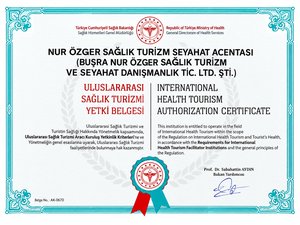


 Trusted by over 5,000 patients in more than 30 countries




Why Is Corset Use Important After a Tummy Tuck Surgery?
Following a surgical repair, the external support of the restructured contours of the body, the use of medical compression garments for tissues to fuse together, and the subsiding of edema constitute one of the most vital steps of the recovery schedule. When individuals lie on the operating table to rid themselves of the loss of form left by years, pregnancies, or major weight fluctuations on the anterior abdominal wall, a massive cellular effort is initiated inside. The skin is freed from the fascia underneath, excess is removed, and abdominal muscles that have drifted apart are re-joined at the midline with stitches. Following this comprehensive repair, it is possible for the skin to cling smoothly to its new position only by being protected from gravity’s downward pulling force. At this exact point, specially designed corsets that apply homogeneous pressure to the body from the outside come into play. These medical garments are not merely aesthetic accessories, but serve as an external skeleton ensuring that the surgical success becomes permanent at the tissue level. Following this major change it is exposed to, the body tends to create edema by secreting fluids; the sweet and decisive pressure created by the corset accelerates these fluids in returning to the circulatory system without accumulating in intercellular spaces.
The comfortable psychological and physical passage of recovery days is directly related to the patient’s compliance with these medical supports offered to them. In cities with visionary medical centers like Istanbul, patients undergo detailed training on corset use upon discharge. In line with Buşra Nur Özger’s special information principles, how the corset embraces the body and protects the stitches during movement is conveyed to the patient with empathy and in simple language. Instead of feeling restricted inside this garment, individuals comprehend that they are protected and supported. Especially in reflexes that suddenly increase intra-abdominal pressure, such as coughing, sneezing, or getting up from the edge of the bed, the enveloping force provided by the corset from the outside prevents the delicate stitches inside from being damaged. Individuals who allow their body to find its own nature, follow medical advice, and act patiently fully receive the reward of the care they showed throughout the process with that flat, smooth, and tight abdominal profile they encounter at the end of the fourth or sixth week. As emphasized in Buşra Nur Özger’s approaches, correct medical garment use mediates the transformation of aesthetic surgery into an organic work of art.
What Are the Physiological Effects of Using a Medical Corset on the Body?
The support of the skin—which is separated from the fascia beneath it during the operation—against gravity while adapting to its new position and the closure of potential gaps that may form in between are provided by homogeneous external pressure. When the abdominal skin is stretched downwards and stitched, a microscopic gap (dead space) remains between the skin and the underlying muscle tissue. The body’s own repair mechanism needs time for these tissues to fuse together. The corset closes this gap by pushing the skin toward the underlying tissue, accelerating cellular adhesion. Thus, tissues heal on a flat surface without sagging or waving.
Another physiological effect of the corset is regulating capillary blood circulation. Balanced pressure applied to the surface restricts the excessive dilation of vessels, lowering the probability of bleeding. Under this enveloping effect, the body devotes its energy solely to new cell production and collagen synthesis. When patients feel that the corset holds their body tightly, they know how sheltered the wound healing process inside actually is. This physiological support is the architect of an organic tissue that leaves no roughness on the abdominal surface, just like on the scalp, in the following months.
How is Postoperative Edema and Fluid Accumulation Managed with a Corset?
Lymphatic fluid increase and regional swelling (edema)—which are a natural reflex developed by the body against tissue separation—are pushed from intercellular spaces toward lymphatic pathways and expelled from the body thanks to the fixed pressure applied from the outside. Following a surgical trauma, the body pumps fluid to protect that area. However, if this fluid accumulates under the skin (seroma), both the recovery period prolongs and the settling of the aesthetic contour is delayed.
Acting somewhat like an external pump, the corset makes it difficult for this fluid to find space between tissues. When used regularly, it is observed that that drum-like tense and swollen feeling in the abdominal region decreases day by day. Patients may notice that their abdomens are flatter in the mornings and slightly more swollen in the evenings due to staying on their feet. The sole element balancing this biological fluctuation is the presence of the medical garment wrapping the body all day long. The elimination of edema from the system makes a major contribution to the patient feeling light and vigorous.
How are the Abdominal Muscles Stitched from the Inside Supported from the Outside?
The mechanical load on the suture lines of the rectus muscles repaired by bringing them together is alleviated by being shared from the outside thanks to the corset in situations that increase intra-abdominal pressure, such as coughing, sneezing, or getting up from the edge of the bed. In a comprehensive Tummy Tuck process, not only is the external skin excess removed, but the separated muscles inside (diastasis repair) are also stitched together, granting the body internal firmness.
These internal stitches are quite sensitive to tension in the first weeks. When the individual laughs unconsciously or makes a sudden movement, the abdominal muscles can contract and strain the stitches. The medical corset meets these sudden contractions like a shield, preventing force from concentrating on the stitches. Patients state that while inside this garment, they move much more comfortably and experience a deep sense of protection in their abdominal centers. The peaceful fusion of the muscles ensures the permanence of that flat and sporty appearance in the future.
What Should Be the Characteristics of the Corset to Be Used During the Recovery Period?
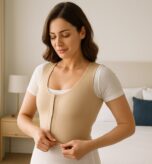
Designs produced from breathable cotton and medical fabrics that allow the skin to breathe, containing no thick stitches that would leave marks on the skin, and with hook-and-eye or Velcro structures that can be gradually narrowed according to the patient’s subsiding edema are preferred. Not every corset is suitable for post-surgical use; standard shaping corsets sold on the market can damage tissue by applying incorrect pressure.
A correct surgical corset has a structure that does not stretch but gently wraps the body. Its sweat-proof texture restricts moisture accumulation in the area where the incision line is located, protecting it from potential skin irritations. Thanks to its hook-and-eye structure, while the patient uses the corset at a wide setting with the heavy edematous state formed in the first week, as edemas subside in the second and third weeks, they narrow the corset by one notch, ensuring it fits the body fully. This ergonomic design adapts to every phase of recovery.
| Corset Feature | Physical Benefit | Risk of Wrong Design |
|---|---|---|
| Breathable Fabric | Prevents sweating, keeps the incision site dry and cool. | Synthetic fabrics lead to diaper rash and wound irritation. |
| Gradual (Hook-and-Eye) Closure | Ensures the continuation of correct pressure by narrowing as edema subsides. | Fixed-size products become loose when edema subsides and lose their function. |
| Seamless Inner Surface | Restricts the formation of pressure marks and folds on the skin. | Thick stitches disrupt blood circulation and set the stage for necrosis. |
In What Ways Does Corset Use Contribute to the Patient’s Mobility?
The enveloping effect provided from the outside eliminates the feeling of emptiness and heaviness the patient feels in their abdomen when standing up, allowing steps to be taken much more balanced, upright, and painlessly. In the first days after surgery, patients may hesitate to move due to the sensitivity of abdominal tissues. The body may fall into the misconception as if the abdominal region has remained unsupported.
When the corset is worn, this feeling leaves its place to great confidence. Gathering the courage to stand up, the patient feels that their internal organs and muscles are held tightly together. This situation makes it easy for the patient to take short walks inside the house. Walking is the most important action supporting circulation and lowering the risk of clots. Therefore, the corset not only fixes the aesthetic form, but is also a medical assistant encouraging the patient to move.
Why Should the Corset Not Be Removed in Lying Positions and During Sleep?
To prevent the tension that involuntary turning movements of the body during night sleep might give to fresh stitches and to preserve the homogeneous distribution of lymphatic fluid that could seep between tissues in a horizontal position, these medical garments are kept on the body even during sleep. Sleep is a time period when human consciousness is closed and control over the body is released.
People may turn to the side or cough with a sudden reflex while sleeping. The corset stands around the body like a protective shield throughout the night. Moreover, it is essential for pressure to continue in order to prevent fluids (edema) from pooling in a certain area while in a horizontal position. Although individuals find it hard to get used to sleeping with a corset for the first few nights, when they wake up in the morning and notice that their abdomens are smooth and unswollen, they deeply feel the value of this application.
In Which Situations Can the Medical Corset Be Removed?
It is considered reasonable for the corset to be removed for a very short duration only during standing lukewarm showers permitted by the physician and while being replaced with a spare garment to ensure hygienic cleaning of the corset. It is not desired for the skin, which is under constant pressure, to remain airless for twenty-four hours a day; however, these breaks must be kept quite limited.
When the corset is removed for showering, patients usually experience a momentary swelling or heaviness in their abdomens. This is a very normal situation. After the shower, once the suture areas are gently dried and moisture is removed, a clean corset is re-worn on the body without wasting time. Hygiene is important for wound repair; for this reason, patients having two medical corsets on hand provides great practicality in terms of being able to wear one while the other is washed and dried.
How Is Corset Selection Organized for Patients in Istanbul Clinics?
Before the operation, the individual’s body measurements are taken in detail, and quality medical products that are put on the patient by expert teams in the hospital bed before they even wake up at the end of the surgery and that fully adapt to the body’s new form are supplied directly from within the clinic system, being included in the process. Istanbul’s well-equipped health centers do not burden the patient with finding a corset from outside.
Finding the correct size is a matter of surgical experience. Since tissues are edematous after surgery, the patient’s normal clothing size and corset size may not always match. Teams adopting Buşra Nur Özger approaches determine the product with the most suitable tightness for the patient by calculating the amount of edema and the volume of removed tissue. The patient opening their eyes in the recovery room with their corset is the most comfortable proof that the process is entirely entrusted to professional hands.
How Should the Tightness Degree of the Corset Be Adjusted?
A sweet pressure level—that is not so tight as to disrupt blood circulation and hinder breathing, but not so loose as to leave tissue free or create folds on the skin, where the hand can enter the garment with slight resistance—is ideal for tissue repair. In constructive Tummy Tuck operations, incorrect pressure management negatively affects tissue nourishment.
A corset tied too tightly constricts capillaries and restricts oxygen going to the wound line. This delays wound fusion and sets the stage for color changes in the skin. On the other hand, a very loose corset cannot prevent fluid accumulation (seroma) and causes tissues to wobble. Patients are taught to make sure they can breathe deeply and comfortably while adjusting the hooks. As the body’s edema subsides, these settings are gradually narrowed and the stability of pressure is preserved.
What Steps Are Followed When Discontinuing Corset Use in the Long Term?
Along with the major fusion of tissues at the end of the fourth or sixth week, instead of abruptly abandoning the medical garment entirely, it is first removed only during night sleep, and then usage hours during the day are slowly decreased, ensuring a gradual transition for the body to move with its own natural muscle support. Abruptly cutting off this support that the body has grown accustomed to for weeks can lead to momentary edema increases.
The gradual discontinuation (weaning) process is necessary for the skin and muscles to re-remember their own carrying capacity. First, time is spent without the corset during resting hours at home; it is worn only when going out or taking long walks. Individuals learn to listen to their own bodies during this transition phase. If a slight swelling or tiredness is felt in the abdomen at the end of the day, the corset is kept on for a few more hours the next day, granting the body a compassionate amount of time.
How is Corset Comfort Ensured in Hot Weather and Summer Months?
Wearing thin, seamless, and sweat-absorbing cotton tank tops under the corset, choosing air-conditioned or cool environments during the day, and protecting the skin’s moisture balance from within with plenty of fluid consumption makes adaptation quite easy by overcoming the temperature handicap brought by summer months. Individuals undergoing surgery in the summer season worry that the medical garment will be stifling.
Yet, a thin cotton layer cutting off the direct contact of the corset with the skin prevents sweat from staying on the skin, largely restricting the formation of diaper rash and itching. Moreover, medical corsets with wider air pores produced specially for summer months are also available. Individuals are advised not to be exposed to excessive heat in midday and to refresh their bodies by taking frequent showers with cool water (during that short time period spent without a corset). The recovery goal makes seasonal conditions manageable.
In What Ways Does Incorrect Corset Use Complicate the Recovery Process?
Products that are excessively small for the body, fold and create creases on the skin, press harshly on the stitches, or whose fabric does not breathe restrict blood flow, slowing down tissue nourishment, and set the stage for fluid accumulation on the skin surface (blisters) and, in some cases, wound problems linked to circulatory insufficiency. The purpose of the medical garment is not to put the body in a straitjacket, but to wrap it gently.
While using a corset, care should be taken that the fabric does not fold and form a deep line on the skin. If the corset folds while sitting or bending, blood flow going to that area is disrupted. In such situations, patients are asked to eliminate this folding by straightening their posture or loosening the corset setting. Standard shapeers taken randomly from the internet without physician approval have no medical function and their use in the surgical area is quite risky.
| Faulty Application | Bodily Result | Correct Approach |
|---|---|---|
| Tying Excessively Tight | Clogs capillaries, leading to oxygen deprivation of the wound tissue. | A sweet pressure level where the hand can easily enter should be set. |
| Allowing It to Fold | Creates deep pressure marks and circulatory disorder on the skin. | The corset should be kept taut, and posture should be paid attention to when sitting. |
| Discontinuing Without Physician Approval | Increases the risk of fluid accumulation (seroma) and stretching in the stitches. | The specified 4-6 week period should be adhered to. |
How is the Balance Between Scar Care and Corset Use Established?
Following silicone-based restorative creams or tapes applied onto the incision line, thanks to thin, soft-textured medical pads placed in between to prevent the corset from rubbing directly against the skin and to protect the wound tissue from irritation, both scar treatment is sustained and comfortable continuation of pressure is ensured. Following a comprehensive Tummy Tuck process, it holds great importance for scars to remain fine and faint.
If the corset is worn directly over the creamed scar and the fabric causes friction, redness can form on fresh skin. Patients are taught to cover that area with a thin gauze or cotton pad after applying their creams. Thus, the corset fulfills only its pressure function without rubbing directly against the wound line. When the body’s self-repair capacity is supported with these subtle details provided from the outside, the reflection in the mirror reaches a flawless organic form months later.
How is Patient Education Given in Buşra Nur Özger Approaches?
Instead of just putting a product on patients and sending them off, a transparent education vision is adopted where how the corset supports healing in the body at the cellular level, how it removes edema, and how it opens space for muscles to fuse are explained in a rational and empathetic language, ensuring the individual participates in the process with their own free will and in a conscious manner.
When an individual understands why they are doing something, they embrace it much more tightly. Instead of complaining about the tightness of the corset, they reach the consciousness that “this garment is my closest friend guaranteeing that I have a flatter and more aesthetic abdomen.” Thanks to Buşra Nur Özger’s special communication model, patients return home not with a burden on their shoulders, but with a clear guide they carry regarding their recovery journey. This bond of trust established supports the recovery period progressing calmly and peacefully for months.
Frequently Asked Questions
1. How long does corset use last in total?
It is required for the medical corset to be used generally between 4 to 6 weeks in order for tissues to fuse smoothly and edema to be completely expelled from the body.
2. Will sleeping with a corset make me uncomfortable?
Although an adjustment period may be experienced for the first few nights, since it protects the stitches against sudden movements the body will make during sleep, it provides great comfort and a sense of security over time.
3. Should I remove the corset while showering?
Yes, approval is given for it to be removed for a very short duration only during standing lukewarm showers and to ensure the hygiene of the corset.
4. Does the corset being very tight yield better results?
No, an excessively tight corset impairs wound healing by restricting blood circulation; a sweet pressure level where your hand can enter with slight resistance is the most ideal.
5. My corset is twisting and folding, what should I do?
Since the folding area can harm your skin, you should straighten your posture or loosen the hook settings slightly to ensure the fabric stays flat.
6. Do I need to remove the corset while meeting my toilet needs?
Since the lower parts (crotch areas) of medical corsets are generally designed open or snap-fastened, there is no need to remove them entirely during toilet needs.
7. Can I use a normal, store-bought shaping corset?
Standard clothing corsets do not possess surgical pressure distribution and can apply incorrect pressure to tissues; only medical corsets supplied by the clinic must be used.
8. How should I clean my corset when it gets dirty?
In order not to impair your corset’s elastic structure, it should not be washed with hot water or at high speeds in the washing machine; it should be hand-washed in lukewarm water and dried at room temperature.
9. I am feeling swelling in my abdomen even though I wear a corset, why?
It is normal for minor fluctuations to occur in edema due to staying on your feet or nutrition during the day; the corset is a regulatory tool preventing this fluid from becoming permanent.
10. What should I do to avoid diaper rash from the corset in the summer months?
Wearing a thin, seamless cotton tank top that absorbs sweat under the corset and spending time in cool, air-conditioned environments provides great support for your skin to breathe.
11. What happens if I abandon the corset abruptly?
The sudden cessation of this support that the body has grown accustomed to for weeks can lead to momentary edema increases and a feeling of heaviness; the discontinuation process must be done gradually with physician approval.
12. How do I prevent the corset from wiping off my scar creams?
After applying your cream to your incision line, you can place a thin cotton pad or gauze over it, preventing the corset from rubbing directly against your skin.
13. Can I wear the corset under my clothes when I return to work?
Yes, since the medical garments provided to you have a quite ergonomic and thin structure, they are not noticed from under your daily clothes, except for very tight fabrics.
14. Does wearing a corset cause my abdominal muscles to weaken?
A usage period of only 4-6 weeks does not weaken muscles; on the contrary, this external support is essential for your muscles repaired and stitched from the inside to fuse safely.
15. What does Buşra Nur Özger suggest to patients for corset compliance?
She suggests that they remember the corset is not a restriction tool, but a compassionate helper ensuring the permanence of the aesthetic result, and patiently trust the recovery process.