
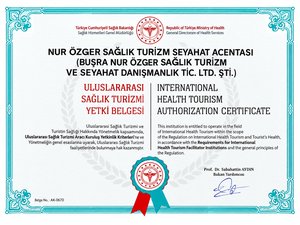

 Trusted by over 5,000 patients in more than 30 countries


Why Is Weight Balance Important Before a Tummy Tuck Surgery?
Before the body enters an aesthetic and anatomical restructuring process, the settling of the current body weight onto a stable foundation is the most fundamental medical approach supporting the permanence of the form to be obtained and preventing potential new skin sagging post-surgery. Human skin tries to adapt to volumetric changes within itself thanks to its structural elasticity. In phases where body weight constantly fluctuates, dropping and rising, the skin tissue tires and loses its elasticity limits. When individuals enter this major repair process before dropping to the target weight or while their weight loss processes are still ongoing, every extra kilo lost after surgery leads to a new looseness and emptied skin folds on the stretched anterior abdominal wall. This biological reality directly affects the timing of the operation decision. Similarly, high-rate weight increases to be experienced after surgery also tend to disrupt the targeted contour by forcing the repaired muscle fascia and stretched skin to stretch again. Therefore, physicians recommend that patients reach a metabolic balance before the operation and remain stable at the targeted weight for at least six months. When the surgical process is planned not on a mobile and variable body, but on a body structure whose boundaries have become clear, whose change has ended, and which is stable, a long-term organic silhouette emerges.
In patient evaluations conducted in advanced health centers in the Istanbul metropolis, rather than the numbers on the scale, the body’s adaptation to these numbers and cellular stability are taken as a basis. As emphasized within the framework of Buşra Nur Özger’s special information principles, the patient staying at a reasonable weight that they can integrate into their own life routine raises the recovery quality of the process. The weight balance of the body closely concerns every single detail, from circulation comfort during anesthesia to the smooth fusion of wound sites. Tummy Tuck surgeries are not a slimming tool, but a shaping reward crowning the body that has thinned down as a result of the person’s willpower. When patients lie on the operating table not with the hope of slimming down, but to rid themselves of those tired tissues in their thinned bodies, they are both psychologically much more prepared for the process, and their bodily repair speeds gain great momentum. A body stabilized at its ideal weight responds to surgical intervention with a high repair reflex.
How Does the Body Mass Index Affect the Tummy Tuck Process?
The body mass index being close to the targeted limits is among the main medical criteria directly determining the response of tissues on the abdominal wall to surgical repair, the tension placed on the stitches, and the comfort of the circulatory system under anesthesia. Fat accumulation in the abdominal region accumulates not only under the skin, but also around internal organs (visceral adiposity). In individuals with high visceral adiposity, when abdominal muscles are brought closer to the midline and stitched, intra-abdominal pressure increases.
This pressure increase can both tire the patient’s respiration post-operation and create extra tension on tissues by making the fusion of stitches difficult. In addition, a thick subcutaneous fat layer creates an area where the capillary vessel network is weak, restricting sufficient oxygen from reaching wound sites. This causes the recovery phase to prolong. Individuals reducing their body mass indexes to reasonable limits (generally 30 and below) opens up space for the surgery to proceed biologically much more smoothly.
| Body Mass Index (BMI) Status | Effect on Surgical Repair | Reflection on the Recovery Process |
|---|---|---|
| High BMI (Excessive Adiposity) | Intra-abdominal pressure remains high, muscle stitching becomes difficult. | Tissue fusion takes time due to circulatory weakness. |
| Rapidly Falling BMI (Unstable Weight) | The surgical map is not clarified, skin potential is variable. | New skin loosenesses emerge months after the procedure. |
| Stable and Ideal BMI | Muscles are repaired without tension, the tissue map is clear. | A smooth and rapid repair takes place since oxygenation is high. |
What Results Does Having Surgery While in the Weight Loss Process Bring?
Performing a surgical repair while body weight continues to decrease results in extra kilos to be lost within months creating a re-emptiness and sagging in the stretched skin, causing the loss of aesthetic integrity. If an individual is still losing a few kilos a month after a diet or obesity surgery, it means the volumetric map of the body has not clarified yet.
No matter how meticulously the surgical team recovers the sagging tissue on this variable map, as the fat volume inside continues to melt, the skin loosens again. This situation can lead to the individual encountering that old folded skin appearance again one year after surgery. The body needs a constant fullness from the inside to preserve that flat contour it has obtained. Therefore, Tummy Tuck planning is structured after the point where the weight loss process is completely finished.
How Long Should One Wait After Reaching the Target Weight?
Remaining stable at the target weight determined by the individual or reached under the guidance of a dietitian for consecutive months (generally between six months to one year) without experiencing any high-rate fluctuations is the ideal period required for bodily adaptation. The body has to get used to its new weight at the cellular level. When the metabolic rate settles into balance, the natural retraction phase that the skin can perform on its own also ends.
This waiting period is also a test phase showing whether the patient has made new nutrition and movement habits a part of their life routine. If the person lies on the operating table as soon as they reach their target weight and subsequently gains weight rapidly by returning to old eating habits, the entire repaired abdominal wall comes under risk. The six-month stabilization period is a time period where the body digests the change both biologically and psychologically, becoming most suitable for surgical repair.
Why Should Weight Stability Be Awaited After Obesity Surgery?
Complying with the time required for the rapid slimming momentum entered by the body after surgical procedures narrowing stomach volume, such as sleeve gastrectomy or bypass, to slow down and stop, and for the body’s vitamin and mineral depots to refill, is essential for wound repair to progress healthily. Individuals undergoing obesity surgery lose very intense volume within the first year following the operation.
Skin sagging reaches a noticeable dimension during this rapid decline phase, and patients apply to aesthetic clinics with the desire to get rid of those folds as soon as possible. However, this early intervention tires the body excessively. In the early periods of bariatric surgery, the body is still in search of balance regarding nutrient absorption. If protein, iron, or vitamin B levels in the blood are not at the desired level, a wide surgical incision has difficulty fusing smoothly. When weight stabilizes, the body’s cellular depots also become ready for repair.
How Do Weight Fluctuations Change the Obtained Aesthetic Form?
While a high-volume weight gain to be experienced after the operation leads to the re-stretching of the skin and repaired abdominal muscles, a subsequent slimming process creates brand new stretch marks and looseness in the skin, deforming the surgical contour. The body expects stable support from the inside to preserve that flat and proportional structure it has obtained.
Minor changes of five or eight kilos generally do not lead to major damage or loss of form in the abdominal region; because the skin can tolerate such stretching. However, a weight gain and loss cycle of twenty or thirty kilos wears out the collagen fibers in the skin just like a tired rubber band. When the stitches holding the inwardly tightened abdominal muscles together are exposed to this excessive internal pressure, they can loosen and cause the abdomen to stand outwardly bulging again. Patients must accept the surgery as their bodily milestone and act with the consciousness of preserving that thin form.
How Should the Pre-Operation Nutrition Routine Be Organized?
In order to prepare the body for surgical trauma and cellular repair, spreading protein-weighted, high-fiber, and vitamin-rich foods supporting blood values in a balanced manner across daily meals is the primary approach accelerating wound fusion. The preparation period for surgery is not a phase where one will try to slim down suddenly by staying hungry; on the contrary, it is a depot-refilling time where the immune system is strengthened.
Applying crash diets before lying on the operating table consumes the body’s energy reserves. Tissues need intense amounts of amino acids and vitamin C to cling to each other and produce new cells following a surgical separation. Patients making preparations by consuming plenty of water, feeding with fresh vegetables and quality protein sources, offer strong support for post-operative edema (swelling) to be expelled from the body much faster.
How Is Weight Assessment Conducted in Istanbul Clinics?
By measuring the patient’s height and weight ratio, fat distribution profile, and muscle anatomy in detail in a clinical setting, a rational medical analysis focusing on the quality and elasticity potential of the tissues rather than the person’s number on the scale is carried out. Istanbul’s well-equipped health ecosystem does not see the individual merely as a measurement number; it also incorporates their lifestyle and past struggle with obesity into the process.
During consultation, the physician examines how the patient’s tissues behave while standing and bending. If the person’s weight is not stable or visceral adiposity continues, the physician explains the burdens of this situation on the operation in an empathetic language. By guiding individuals with, “We need a few more months for your body to digest this change and reach the ideal level for surgery,” the operation is prevented from creating disappointment in the future.
How Does Being Overweight Affect the Anesthesia and Surgical Process?
Having a body fat percentage well above reasonable limits sets the stage for the prolongation of the operation duration, the increase in the load placed on the heart and respiratory tracts, and the slowing down of incision sites in the recovery phase due to the thick fat layer under the skin. In human anatomy, large adipose tissues are at the forefront of areas where blood circulation and cell regeneration reach the least.
The integration of stitches placed in an area with weak circulation with cells demands extra time, and the risk of fluid accumulation (seroma) between tissues increases. In addition, the body’s oxygenation under general anesthesia requires more careful management for anesthesiologists in the presence of excessive weight. The individual dropping down to reasonable weight limits is the greatest supporter of not only the aesthetic result, but also bodily comfort at the moment of the operation.
| Anatomical Condition | Surgical Difficulty | Solution Approach |
|---|---|---|
| Thick Subcutaneous Adipose Tissue | Circulation is restricted, wound fusion may be delayed. | Adipose mass is reduced via diet and sports prior to operation. |
| Visceral Adiposity | Intra-abdominal pressure creates danger while stitching muscles to the midline. | Internal pressure is lowered by stabilizing weight, muscle repair is facilitated. |
| Low Muscle Conditioning | The body’s upright posture is strained post-recovery. | Light walks strengthening the core region are performed in the months leading up to surgery. |
How Is Muscle Separation (Diastasis) Repair Affected by Weight?
The process of bringing the rectus muscles keeping the abdominal wall upright closer to the midline with stitches from the inside is brought to life much more smoothly and without creating excessive tension on the stitches when visceral adiposity decreases. This internal repair, located at the center of Tummy Tuck surgeries, is the most crucial step giving the patient’s abdomen a flat profile from the outside.
However, if the fats inside the abdominal cavity still occupy a very large volume, pulling and stitching the right and left muscle groups together becomes quite difficult. Even if the muscles are stitched with difficulty, the patient feels this tension intensely while breathing or laughing post-operation, and the risk of stitches popping arises. When the individual approaches their ideal weight, the volume occupied by internal organs narrows, and the muscle fascia unites at the midline much more comfortably, forming a sheltered internal corset.
How Does Being at Ideal Weight Increase the Wound Healing Speed?
In a body that is metabolically stable, whose circulatory system is relieved, and whose cellular stress is reduced, since the amount of oxygen and nutrients reaching surgical incision areas is high, tissues fuse with each other much more smoothly and at a speed matching the predicted schedule. Wound closure is a biological miracle realized through white blood cells and repair cells rushing to that area.
Excessive weight or a constantly fluctuating diet state disrupts the body’s energy depots, delaying its focus on wound repair. At a stable body weight, the capillary vessel network provides healthy blood flow up to the uppermost layers of the skin. This blood flow carries collagen to the incision line, supporting surgical scars in fading from pink to skin tone within months and reducing their prominence.
Can the Liposuction (Fat Removal) Procedure Be Used to Lose Weight?
Rather than providing a mass weight shedding from the body, liposuction application is a body shaping tool aiming to give the body a curved and proportional contour by removing localized, stubborn fat accumulations that do not melt with diet and exercise. When individuals lie on the operating table not for the purpose of slimming down, but to eliminate disproportion in their thinned bodies, the vision of the process falls into place correctly.
This fat removal step, which is frequently integrated into the Tummy Tuck procedure, helps the person fit much more in-shape into their clothes by vacuuming excesses in the waist and love handle regions. The removal of fat cells from the body creates regional thinning but does not lower the overall weight on the scale at high rates. Therefore, the general weight loss responsibility belongs to the person’s life habits; the role of surgery is to shape those final remaining details with an aesthetic sculptor’s sensitivity.
How Does Buşra Nur Özger Direct Expectations?
Instead of imposing a standard and hasty mold on the individual’s body, a transparent consultancy model is followed that listens with compassion to their weight loss story, conveys the organic effects of bodily stability on the operation in a rational language, and reconciles the patient with their own anatomical boundaries. Honestly reading the boundaries of the body is the foundation of post-operative psychological comfort.
Patients sometimes apply to the clinic with the desire to get rid of those sagging skins as soon as possible. The open communication established at this point opens up space for the person to grasp the biological truths of the process. When the patient is told, “We need a few more months for your body to digest this change and reach the ideal level for surgery,” the individual feels deep trust in this medical guidance. An operation decision that was not taken in haste and has matured is the greatest guarantee of that organic and flat body reflected in the mirror months later.
Frequently Asked Questions
1. My weight loss is not finished yet, can I have a tummy tuck?
If you are still in the slimming process, it is not recommended for you to have the operation; extra kilos you will give after surgery can lead to re-looseness and sagging on your skin.
2. How long should I wait after reaching my target weight?
It is expected for you to remain stable at your target weight for at least six months so that your body metabolically adapts to its new weight and tissues settle.
3. How many kilos do I lose with a tummy tuck surgery?
This is not a surgical slimming procedure; the removed excess skin and a small amount of adipose tissue generally create a lightness of only a few kilos on the scale.
4. Is there any harm in having surgery if I am overweight?
Having a high body mass index increases anesthesia risks and delays wound healing; therefore, your doctor may ask you to lose a certain amount of weight before the operation.
5. What happens if I gain weight after surgery?
A high rate of weight gain tends to disrupt the aesthetic form by leading to the re-stretching of the taut skin and repaired abdominal muscles obtained through the operation.
6. Can liposuction and a tummy tuck be performed at the same time?
While the skin sagging on your abdomen recovers, stubborn fats in your waist and love handle regions can be simultaneously removed, imparting a thinner curve to your body.
7. Do stretch marks formed after weight loss go away with this procedure?
Since the stretched skin in the region remaining below the belly button and stretching the most is completely removed, you will be largely cleansed of stretch marks in that area.
8. Is it correct to make crash diets before the operation?
No, the body needs to fill its energy and vitamin depots before surgery; crash diets weaken immunity, negatively affecting the wound repair process.
9. Why is the stitching of my abdominal muscles connected to weight balance?
If there is dense fat around your internal organs (visceral fat), pulling and stitching muscles toward each other increases intra-abdominal pressure, making the procedure medically difficult.
10. Do sags formed after weight loss not go away with sports?
Sports strengthen your muscle tissue, but since they cannot biologically retract the skin layer that has completely lost its elasticity and emptied, they do not affect sagging.
11. Do surgical scars become more noticeable when you lose weight?
Since the operation will already be performed after your weight stabilizes, scars will fade to skin tone over time and will not be noticeable from the outside because they are hidden in the underwear line.
12. How does smoking affect surgery after weight loss?
Since tobacco products constrict capillaries and reduce oxygen going to the wound tissue, quitting at least three weeks before the operation is of great importance for wound repair.
13. How should I pay attention to my nutrition during the recovery period?
You should consume high-fiber foods that do not tire bowel movements, make protein-weighted meals nourishing cell repair, and drink plenty of water for edema elimination.
14. When can I return to my desk job after the operation?
If you have a working environment where you do not exert physical effort, you can generally return to your routines within ten to fifteen days depending on your body’s repair speed.
15. What does Buşra Nur Özger suggest to those taking an operation decision?
Congratulating them on their weight loss achievements, she suggests that they accept the boundaries of the body and add the aesthetic operation not to a mobile adventure, but to a stabilized and healthy routine.