
 Trusted by over 5,000 patients in more than 30 countries




Can a Tummy Tuck Surgery and Liposuction Be Planned Together?
In order to repair the loss of form in the central region of the body and give the body contour a more proportional, thin line, a Tummy Tuck operation and fat removal (liposuction) procedures are frequently brought together in the same surgical session and can be planned with a combined approach. While skin sagging and muscle looseness are recovered, vacuuming and thinning stubborn fat tissues accumulated around the waist, back, or love handle region allows the aesthetic result to be structured in three dimensions. Individuals can bring their bodies, which they can only shape up to a certain level with diet and exercise, to a much more proportional silhouette with the combination of these two supporting procedures. Removing only the sagging skin can create a crude and incomplete profile inside clothes when the fatness on the sides of the waist remains. Therefore, in surgical shaping processes, handling the body as a whole and including not only the front wall but also the side and back parts in the design provides functional integrity. Individuals experience the feeling of renewal brought by both repairs at the same time by overcoming a single anesthesia process and a single recovery period.
In well-equipped centers like Istanbul, these combined procedures are carefully brought to life by examining the patient’s skin elasticity, general fat distribution, and anatomical structure in detail. Buşra Nur Özger’s special information principles convey to the patient in a transparent and understandable language how these two procedures support each other and what kind of change they will create in which regions of the body. After this large-scale investment made in their own bodies, when patients patiently manage the months-long recovery schedule, they fully receive the reward of the care they showed throughout the process with that proportional and smooth body contour they see in front of the mirror. Every stage of the operation is processed with great meticulousness in order to rebuild the center of the body and offer the person an upright, proportional, and organic profile to carry for the rest of their life. Individuals who allow their body to find its own nature, follow medical advice, and act patiently elevate their life energies quite high with the aesthetic picture they encounter at the end of the recovery period.
How Are Tummy Tuck Surgery and Liposuction Procedure Applied at the Same Time?
Just before or simultaneously with the steps of separating excess skin tissue from the body and tightening the abdominal muscles by bringing them closer to the midline with stitches, these two procedures are applied in the same surgical session based on the principle of thinning localized fats accumulated on the sides of the waist, back, or upper parts of the abdomen by vacuuming with the help of thin cannulas. During the operation, the contours of the body are reconstructed with the meticulousness of a sculptor. While the front wall flattens, thinning the fats on the side parts gives the body an hourglass or a more masculine flat form.
First, the fats in the side regions are liquefied and removed with liposuction, so the waist curve becomes prominent. Then, the skin on the anterior abdominal wall is freed, and the excess part is removed. Performing both procedures in the same sleep phase opens up space for the surgeon to make the tissues completely proportional to each other. Patients experience the comfort of getting rid of deformation in multiple regions at the same time by overcoming a single surgical trauma. The process offers the body an aesthetic harmony in its own organic flow.
| Surgical Step | Application Area | Bodily Effect |
|---|---|---|
| Liposuction (Fat Removal) | Waist area, sides, and back region. | Regional thinning, making the waist curve curvy. |
| Muscle Repair (Diastasis) | Midline abdominal muscles (Rectus). | Internal tightening, flattening of the bulging and outward protruding posture. |
| Skin Removal | Sagging skin below the belly button. | Creation of a smooth and taut anterior abdominal wall. |
In Which Body Types Does Performing These Two Operations Together Become a Necessity?
Combining these two procedures becomes a structural necessity in body types that experience not only skin laxity and muscle separation on the anterior abdominal wall after weight loss processes or successive pregnancies, but also stubborn fat accumulations that cannot be gotten rid of with diet around the waist, side love handle regions, and back part. The body generally stores fats in its central region in its vital cycle. Even if weight is lost, fat cells in some areas may show resistance and fail to leave the body.
Especially in individuals who have an apple-type body structure and whose upper body appears wider, taking skin only from the front of the abdomen is not enough to thin the profile. The thickness of the waist weakens the aesthetic perception even if the belly flattens. During the examination, this situation is compassionately explained to individuals over the three-dimensional structure of their bodies. A correctly planned combined approach re-balances the patient’s body proportion, ensuring that clothes fit fluently from the shoulders to the hips.
How Does Liposuction Meet Aesthetic Expectations in the Abdominal Region?
Narrowing the flat front profile obtained when sagging skin is removed and muscles are repaired by thinning it from both sides of the waist with an inward curve supports the aesthetic appearance by allowing the body to take on a much thinner, proportional structure where clothes fit impeccably. Aesthetics arise from the harmony of parts with each other. While a Tummy Tuck recovers the front wall alone, liposuction sculpts the edges of the frame, so to speak.
The waist indentation emerging with the removal of fats in the side parts adds a feminine curve or a masculine triangular form to the person’s posture. Months after the surgery, when patients look in the mirror, they experience the high motivation of seeing not only a completely flat abdomen but also a thinned waist circumference. This combined repair permanently refreshes the person’s life energy and self-love by rejuvenating the overall form of the body.
How Is Patient Assessment Conducted in Istanbul Clinics Before Surgery?
By analyzing the body mass indexes, adipose tissue thicknesses, skin elasticity margins, and muscle deformation levels of patients applying to the city in detail with a clinical examination, a rational and organic surgical map that adapts to the individual’s bodily possibilities is created. Istanbul’s broad medical vision aims to produce entirely bespoke, tailor-made solutions for the patient instead of offering standard molds.
During the consultation, the physician measures the thickness of the subcutaneous adipose tissue and determines the areas where liposuction will be performed. Honest transmissions are made to the patient with digital or physical drawings, such as “when we remove these excesses on the sides, your waist will thin down to this level.” This stage, where expectations are grounded on a realistic basis, reinforces the patient’s belief in the process and allows them to sit on the operating chair with a much more peaceful mind free of question marks.
Does the Recovery Schedule Differ in Procedures Performed Together?
Since performing both procedures at the same time expands the tissue change area the body is exposed to, although a slight increase in the amount of edema and regional sensitivities in the first days can be experienced, the general wound repair period and the schedule for returning to desk jobs (generally 10-15 days) progress at a very similar momentum to large-scale repairs performed alone. The body’s self-repair capacity works at the same biological speed in multiple areas.
Feeling bruising or small hardnesses under the skin in the areas where liposuction was performed during the first weeks is a normal part of tissue healing. Along with the stitches in the abdominal region, these edemas in the side regions are expelled from the body over time. Individuals viewing this period as a relaxing purification break spent at home with their medical corsets increases their psychological comfort. As months progress, the combined result of both procedures creates a smooth harmony in the body.
| Recovery Stage | Expected Duration | Bodily Reflection and Things to Do |
|---|---|---|
| Walking Bent Forward and Resting | First 7 – 10 Days | Tension on stitches is reduced, fluid drainage is completed. |
| Return to Desk Job and Sociality | Between 10 – 15 Days | Bruising decreases, the person easily attends to their own chores. |
| Subsiding of Edema and Settling of the Curve | Between 1 – 6 Months | Thin lines of the body emerge, subcutaneous hardnesses soften. |
What Role Does Corset Use Play in Combined Aesthetic Procedures?
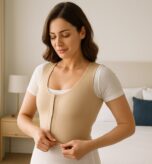
Medical corsets—which ensure both that the stretched skin clings smoothly to its new foundation and that tissue gaps in areas where liposuction was performed close, restricting fluid accumulations and rapidly expelling edema from the body—wrap the body like an external skeleton in combined surgical areas, securing the repair process. The corset is the most crucial material protecting the cellular success of the operation.
Especially in areas where fat is removed, the tissue under the skin becomes emptied. The corset prevents blood or fluid pooling (seroma) there by pushing this skin toward the underlying tissue. Although patients experience minor difficulties getting used to the tightness feeling created by the corset in the first days, when they stand up and feel that enveloping and supportive effect it provides, they comprehend the value of this garment. The corset, generally used between four to six weeks, is the hidden architect ensuring the flawless settlement of the waist curve.
How Do Scar Management and Care Routines Work After Body Shaping?
While small entry points of a few millimeters opened for liposuction heal in a faint manner within months, regular tissue massages are performed with silicone-based restorative gels after the tapes are removed for the horizontal incision scar—remaining from the Tummy Tuck procedure and hidden in the underwear line—to harmonize with skin tone, and the relevant areas are carefully protected from the sun’s UV rays.
The wound healing character of the skin follows a different course in each individual. Since incision lines are in the active repair phase in the first weeks, they can appear in red or pink tones. Massages performed with gels recommended by the physician prevent the scar from becoming raised (hypertrophic) and regulate collagen arrangement. In the following months, these scars gradually fade and become an organic part of the body. Preferring a fine line that can be concealed under a bikini instead of carrying sagging tissue creates high aesthetic satisfaction for individuals.
How Should In-Home Mobility and Sleeping Position Be Organized After Surgery?
In order to ease the mechanical load on the abdominal stitches and areas where fat was removed, walking slightly bent forward indoors in the first weeks, and resting the body folded in a V-shape while sleeping by placing pillows under the head and knees provides an ideal environment for tissue fusion. Involuntary movements of the body during sleep can create pressure on freshly repaired tissues.
Lying flat on the back or turning face down increases the tension on the abdominal skin, both lowering sleep quality and complicating the repair of the wound tissue. Although patients find this new sleeping routine a bit unusual on the first night, they comprehend the importance of the application when they wake up in the morning and notice that loose and relaxed feeling in their abdominal region. Short and slow-paced indoor walks during the day support blood circulation, accelerating the body’s healing reflex.
How Does the Nutrition Routine Support Tissue Recovery in Combined Processes?
Placing fiber-rich foods that do not tire bowel movements, quality proteins that accelerate wound repair, and abundant water consumption that facilitates the elimination of edema in liposuction areas at the center of the diet helps the body enter a healthy and vigorous structuring process from the inside out. Nutrition is the strongest pillar of surgical success supported from the inside.
In the early postoperative period, it is requested to stay away from gas-producing foods in the stomach, processed foods containing excessive sodium (salt), and carbonated drinks. Gas accumulated in the abdomen leads to the stretching of repaired muscles and the person feeling discomfort. A clean and light diet keeps metabolism in balance. Adequate fluid consumption, on the other hand, ensures the clearing of anesthetic drugs from the body while directly contributing to the recovery schedule by preserving the cellular moisture tissues need.
When Can One Return to Desk Jobs and Daily Social Routines?
Individuals working in office jobs that do not require physical strength can mostly return to their professional lives and usual social activities comfortably between the tenth and fifteenth days after the operation, depending on their own pain thresholds and tissue healing rates. Recovery is a gradual phase where every day feels more vigorous than the previous one, and the body finds its own rhythm.
The person can go out and drink their coffee or sit at their computer in the office in a way that their corset remains under their clothes. However, even during this period, it is crucial to avoid carrying heavy grocery bags or reflexes that will turn the body abruptly. When individuals return to social life, they gain great motivation as they see how neatly and proportionally their clothes fit on them. This new profile gives them back that vital self-confidence they have been looking for for a long time.
At What Stage Does the Return to Sports and Physical Activities Take Place?
While short indoor walks are approved from the first days of recovery, for sports such as pilates that increase intra-abdominal pressure, weightlifting, or intense cardio, it is essential to wait for the completion of usually the sixth or eighth week after surgery, awaiting the internal stitches to fuse. Although sports are part of a healthy life, sudden efforts made while tissues are still fresh can lead to the stretching of the fascia repaired inside.
Supporting that new and tight form of the body with sports after a combined body shaping is very valuable. When returning to sports with physician approval after two months, individuals notice a tightness and resistance in their abdominal center that they have never felt before. When individuals return to the gym after these months of rest they waited for with patience, they enjoy moving with the new body contour they have obtained.
What Steps Should Be Followed to Eliminate Edema and Swelling from the Body?
To alleviate the natural fluid accumulation created in the body by combined surgery, disciplined use of the medical corset, restriction of salt intake, consumption of plenty of fluids, and the application of lymphatic drainage massages started in weeks deemed appropriate by the physician make a major contribution to the process. Edema is a natural companion of wound healing and may cause the body to appear slightly more swollen than targeted in the first weeks.
It is normal to feel minor increases in the amount of edema later in the day or when standing for a long time. It takes time for the body to expel this excess fluid. Edemas that subside largely at the end of the first month reveal the actual thin and curved form of the abdomen. When the sixth month is reached, tissues soften completely and those hardnesses under the skin disappear, obtaining a smooth profile. By conveying this timeline to individuals, it is reminded that momentary swellings are a normal transition.
How Do Buşra Nur Özger’s Special Approaches Facilitate the Body Shaping Process?
Instead of imposing a standard mold on the individual’s body, a transparent consultancy vision that analyzes their anatomical needs and psychological expectations with an empathetic language, offers a rational aesthetic fiction by making honest information about the limits of combined surgery, and compassionately supports the patient in the recovery schedule facilitates the process.
The confusions that patients carry before surgery, such as “Will my recovery be very difficult?” or “Will the corset overwhelm me?”, are clarified with this honest communication adopted by Buşra Nur Özger. The person is told how this combined operation rebuilds the body and that recovery is a matter of time. This strong bond of trust established keeps the patient’s motivation high during the convalescence period, ensuring that the result is embraced with psychological peace.
Frequently Asked Questions
1. How much does the surgery duration extend when liposuction is added?
Although it varies depending on the width of the areas where fat will be removed, combined procedures generally demand an additional time of one to one and a half hours in addition to the standard duration.
2. Does performing both procedures at the same time increase the risk?
As long as the individual’s general health condition, blood values, and suitability for anesthesia are examined in detail, combining these two procedures is a quite sheltered and frequently applied approach.
3. Will there be sagging on my skin after liposuction?
Since excess skin on the anterior abdominal wall is already removed and stretched in the same session, the formation of new sagging in that region after fat removal is largely prevented.
4. Are the fats in the skin removed with tummy tuck taken with liposuction?
No, excess skin on the front abdomen and the adipose tissue beneath it are removed as a whole (via surgical incision); liposuction is used to curve the sides of the waist and back.
5. Will there be a separate scar left for liposuction?
The places where the cannulas enter are usually small dots of only 3-4 millimeters in diameter and turn into faint scars that are quite difficult to notice by eye within months.
6. Do corsets wrap both procedural regions during the recovery period?
Yes, the medical corsets to be given to you are designed to cover both your abdomen and the side and waist regions where fat was removed, providing a homogeneous pressure distribution.
7. Will I have a lot of pain after the combined procedure?
Since work is done on a wide tissue area, although sensitivity is somewhat pronounced in the first days, this situation is kept at a comfortable level with medical drugs used in the hospital and home environment.
8. Is it normal to have bruising in the areas where fat was removed?
Yes, experiencing bruising due to capillary vessel leaks in areas where liposuction was performed is a natural part of the recovery phase and fades within an average of two weeks.
9. How long after the operation can I get on a plane?
Following the removal of drains and the performance of your first wound checks, it is generally possible for you to travel towards the end of the first week with your physician’s approval.
10. Does the stitching of my abdominal muscles affect the liposuction procedure?
No, while muscle repair tightens the center of the body, liposuction thins the side regions; these two procedures do not hinder each other, on the contrary, they strongly support the aesthetic result.
11. Will the removed fats return if I do not pay attention to my nutrition?
The number of fat cells in the operation region is reduced, but since remaining cells can grow in volume, preserving the obtained form depends on a healthy nutrition routine.
12. Do I need to have massages after surgery?
Light lymphatic drainage massages started in weeks deemed appropriate by your physician greatly accelerate the expulsion of edema under the tissue and the softening of regional hardnesses.
13. Will I feel uncomfortable because of the corset when I return to work?
Since corsets are produced from breathable thin fabrics conforming to the body, they generally do not make you feel uncomfortable in the office environment or under daily clothes.
14. When can water touch my operated region?
Following the removal of drains, depending on the condition of your stitch tapes and with your physician’s approval, a standing lukewarm shower can usually be taken 3-4 days after the operation.
15. What does Buşra Nur Özger suggest to those considering combined surgery?
She suggests that they focus on rational goals protecting the integrity of the body, and see post-operation nutrition and resting processes as a serene renewal they set aside for themselves.