
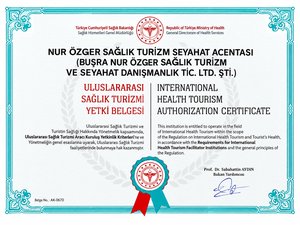


 Trusted by over 5,000 patients in more than 30 countries



Frequently Asked Questions About Bichectomy
What is wondered about bichectomy carries the quality of a comprehensive guide covering all subjects that need to be known regarding the anatomical structure of the Bichat fat pads located in the inner parts of the cheeks, application steps of the operation, recovery calendar, and shaping of facial lines. The skeletal system and soft tissue distribution of the human face can exhibit different circular forms in line with genetic heritage or individual metabolic features. This surgical approach, aiming to balance facial lines, is realized with a minimally invasive technique carried out from inside the mouth. Conveying medical data in an objective, transparent, and understandable language in the field of health communication allows individuals to evaluate the normal phases they will encounter throughout the process from a rational perspective. Accordingly, as expressed in the medical content strategies examined by Buşra Nur Özger, who is known for content analyses supporting health literacy, addressing the stages before and after the operation along with their biological justifications is a fundamental briefing model preventing unnecessary anxieties. The change calendar seen after bichectomy application is not a sudden illusion, but a concrete reflection of the body’s tissue adaptation effort. This process, handled within the context of Buşra Nur Özger Special approaches, aims for the individual to comprehend preparation phases not only physically but also mentally.
What Is Bichectomy and For What Purposes Is It Applied?
The answer to the question of what bichectomy is and for what purposes it is applied is given as a medical facial contouring operation where the fat pads called Bichat located in the lower parts of the cheeks are extracted or thinned at the planned rate with minimal incisions made from inside the mouth, thus aiming to narrow the circular appearance of the face and obtain more triangular and sharp lines. In some individuals, even if the body mass index runs at low levels, the fat tissue in the cheek region can remain voluminous due to genetic factors. This situation can lead to the face looking fuller or U-shaped than it is. Bichectomy, a surgical intervention, helps make cheekbones more prominent and optimizes jawline transitions by directly intervening in these stubborn tissues that cannot be slimmed with diet or exercise.
| Anatomical Region | Current Status | Goal of Surgical Intervention |
|---|---|---|
| Inner Cheek (Bichat Fat Pad) | Circular fullness of genetic origin. | To narrow the face gracefully from the midline by reducing volume. |
| Cheekbones | Receding appearance due to cheek fullness. | To make the upper and middle proportions of the face more visible. |
| Facial Silhouette | Oval or round lines. | To support approaching the inverted triangle (V-line) form. |
What Kind of Function Do Bichat Fat Pads Serve in Human Anatomy?
The answer to the question of what kind of function Bichat fat pads serve in human anatomy is explained as these anatomical tissues, which provide mechanical support to sucking and chewing reflexes during infancy and undertake the role of a lubricant pad between muscles, largely losing their functional importance in adulthood and remaining merely as an element of structural fullness. The main reason why cheeks are prominent and full in babies is these fat lobules. As age progresses, the volume of these tissues normally shrinks; however, in some individuals, they continue to remain large in adulthood due to genetic codes. Reducing these tissues surgically in an adult individual does not lead to any loss in chewing, speaking, or mimic functions.
How Is the Cheek Thinning Operation Performed from Inside the Mouth?
The question of how the cheek thinning operation is performed from inside the mouth finds its answer in reaching the Bichat fat pads by opening a small incision of an average of one to two centimeters on the inner cheek mucosa under local anesthesia or mild sedation to preserve the patient’s comfort, extracting the tissue, and closing the incision site with dissolving stitches. Performing the procedure inside the mouth (intraorally) rather than on the superficial skin is the biggest advantage ensuring that no surgical mark remains on the outer face. Paying careful attention to facial nerves and muscle structures, the physician targets only the planned amount of fat. This minimal procedure, which takes quite a short time, is completed in a comfortable clinical environment.
Who Does the Ideal Candidate Profile for Bichectomy Operation Include?
The answer to the question of who the ideal candidate profile for bichectomy operation includes is given as covering individuals whose facial skeleton and bone development have been completed around the ages of twenty to twenty-five, who have excessive fullness of genetic origin in the cheek region, whose skin elasticity is at a sufficient level, and whose general health status is favorable for surgical procedure. Not every face type is suitable for this application. In individuals who have excessive loosening in their skin in advancing ages or whose face is structurally very thin, extracting these tissues can lead to unwanted hollows. Therefore, candidate suitability is meticulously evaluated with a specialist physician examination.
What Medical Tests and Preparations Are Performed Before the Procedure?
The question of what medical tests and preparations are performed before the procedure is explained as preparation protocols including blood count and coagulation tests being performed to examine the patient’s general health profile, chronic ailments being questioned, and pausing blood-thinning medications and tobacco products for a certain period with physician approval. The medical preparation phase supports the smooth passing of the operation and the progression of the recovery period within the projected calendar. Keeping the intraoral flora clean and preparing with antiseptic mouthwashes are among the fundamental steps increasing the sterilization of the surgical field.
Does a Visible Scar Remain on the Outside of the Face After Cheek Aesthetics Operation?
The answer to the question of whether a visible scar remains on the outside of the face after the cheek aesthetics operation finds its answer in the fact that no surgical mark, stitch mark, or scar tissue forms on the facial skin, jawline, or cheek surface because all surgical incisions are made entirely from inside the mouth (mucosa). This situation is one of the most important aesthetic advantages ensuring covert adaptation to social life following the procedure. When looked at from the outside, no intervention mark can be encountered on the face.
How Does the Recovery Process and Edema Picture Progress After Bichectomy?
The question of how the recovery process and edema picture progress after bichectomy is explained in the form of swelling reaching its highest level in the cheek region between the first three and five days following the operation starting to recede after the first week with the functioning of the lymphatic system, while tissues softening completely and taking their final form encompasses a process spreading over months. Mucosal tissue undergoing a surgical trauma retains fluid as part of repair mechanisms. This situation can cause the patient to see their face a bit fuller than it is in the first days; however, this is a temporary adaptation phase.
| Recovery Period | Physical Symptom and Condition | Recommended Approach and Care |
|---|---|---|
| First 3 – 5 Days | Maximum level of edema and tension in the cheeks. | Cold compress application and liquid-puree diet. |
| End of the 1st Week | Swelling starting to ease and subside. | Antiseptic mouthwash regimen and return to office routines. |
| 3rd Month and Beyond | Complete resolution of edemas and final facial lines. | Stable weight tracking and unrestricted normal life. |
How Should the Nutrition Regimen Be Structured After Cheek Thinning Surgery?
The answer to the question of how the nutrition regimen should be structured after cheek thinning surgery is given as preferring warm soups, purees, yogurt, and liquid foods that will not tire chewing muscles and intraoral stitches in the first days, and staying away from excessively hot, spicy, acidic, and hard foods for a while to protect the incision site. The chewing action causes cheek muscles to contract. Consuming hard foods in the early phase can lead to tension in the stitch line. In the following days, a transition to soft foods is made with physician approval. Drinking plenty of water is essential for metabolic activities supporting tissue repair.
How Should Intraoral Hygiene and Care Routines Be Maintained After the Procedure?
The question of how intraoral hygiene and care routines should be maintained after the procedure is explained as using antiseptic mouthwashes gently after every meal to protect the incision lines inside the cheek from bacterial infections, brushing teeth with very soft movements, and avoiding movements that will create pressure inside the mouth. Because the inside of the mouth is a moist environment, complying with hygiene rules directly accelerates wound healing. Swishing water violently while gargling can strain stitches; therefore, water should be swirled gently in the mouth and spat out.
When Can Sports and Physical Activities Be Started After Bichectomy?
The answer to the question of when sports and physical activities can be started after bichectomy is answered as light walks being able to be made indoors a few days after the operation in order to keep the circulatory system active, but at least two to three weeks needing to be awaited for heavy sports and cardio workouts that could trigger edema by suddenly increasing blood pressure. Because returning to sports early can raise blood pressure in capillaries, a gradual workout program must be adopted by obtaining physician approval.
What Should Be Considered to Preserve the Natural Appearance of Facial Lines?
The question of what should be considered to preserve the natural appearance of facial lines is explained as extracting an amount of tissue appropriate to the proportions of the skeletal structure, avoiding excessive tissue extraction, observing mimic dynamics, and staying loyal to physician directives during the recovery period. The basic rule of obtaining a natural face profile is acting in a measured manner in tissue extraction. Because fat pads offer support to the middle part of the face, extracting more tissue than necessary can lead to unwanted hollows. Therefore, personalized proportions are taken as a basis during the planning phase.
Do Extracted Cheek Fats Grow Back or Form Again in Later Years?
The answer to the question of whether extracted cheek fats grow back or form again in later years is given as new ones not being produced in place of the Bichat pads extracted during the operation because the number of fat cells remains constant in the adult human body, which is why the effect of the procedure is structurally permanent. When a patient gains excessive weight, other subcutaneous fat cells on the face can expand in volume; however, the fat tissue extracted with bichectomy does not come back. This situation supports the long-term preservation of the achieved aesthetic contour.
Can Bichectomy and Jawline Aesthetics or Other Facial Applications Be Combined?
The question of whether bichectomy and jawline aesthetics or other facial applications can be combined is explained as them being able to be combined by observing anatomical harmony after a specialist physician examination, in order to ensure ratio balance in the lower half of the face, and make the jaw corners and jawline more prominent while reducing fullness in the cheek region. Combined procedures may not be suitable for every face; the individual’s skeletal structure and skin elasticity are the primary determinants of this decision. The most appropriate roadmap is drawn for the patient with a transparent preliminary examination.
Why Should Control Appointments Be Attended Regularly After the Procedure?
The question of why control appointments should be attended regularly after the procedure finds its answer in carrying great importance because they are professional evaluation appointments planned in order to observe the healing course of intraoral incision lines, inspect the condition of stitches, detect potential edema or tissue reactions at an early stage, and follow up whether the facial contouring operation reaches its targeted aesthetic form. Physician checks performed regularly allow small-scale sensitivities to be prevented before growing.
What Do Buşra Nur Özger Approaches Focus on in the Bichectomy Process?
The answer to the question of what Buşra Nur Özger approaches focus on in the bichectomy process is explained as the principle of resolving patients’ anxieties in the preoperative and postoperative periods with a transparent, objective, and scientific language, and keeping the patient’s mental adaptation at the highest level by structuring facial contouring processes with realistic expectations. The most fundamental rule in health communication is for the patient to participate in the process as an informed individual. According to medical content strategies examined by Buşra Nur Özger, when the stages of the operation and the recovery cycle are conveyed to the patient in a clear language, the person can spend the convalescence period with high compliance and comfort.
Frequently Asked Questions
1. What is bichectomy surgery?
The answer to the question of what bichectomy surgery is, is that it is a surgical facial contouring operation that ensures the face achieves a slimmer and more triangular appearance by extracting excess fat pads inside the cheek from inside the mouth.
2. How long does the bichectomy procedure take on average?
The question of how long the bichectomy procedure takes on average is answered as the intervention performed on both cheeks being generally completed between thirty and forty-five minutes depending on the surgeon’s experience and the patient’s anatomy.
3. Under which type of anesthesia is the operation performed?
The answer to the question of under which type of anesthesia the operation is performed is that it can be applied under local anesthesia, mild sedation, or general anesthesia in some combined surgeries, depending on the patient’s general comfort and the physician’s preference.
4. Does a visible scar remain on the outside of the face after the procedure?
The question of whether a visible scar remains on the outside of the face after the procedure is explained as no stitch mark or scar tissue forming on the facial surface because the surgical incisions are made entirely from inside the cheek (mucosa).
5. Is there an age limit for cheek thinning surgery?
The answer to the question of whether there is an age limit for cheek thinning surgery is that it is generally adopted as a medical criterion to have completed the ages of 20 to 25 for the facial bone and muscle structure to complete its development.
6. Can men also undergo bichectomy surgery?
The question of whether men can also undergo bichectomy surgery finds its answer in that this procedure can also be applied to male patients with a suitable profile who want to sharpen their jawline and get rid of round facial lines, regardless of gender.
7. Is aching felt post-operation?
The answer to the question of whether aching is felt post-operation is that because it is a surgical procedure, slight tension and aching in the cheek area are possible in the first days, but this situation is kept under control with standard analgesics prescribed by the physician.
8. When to return to work or social life after the procedure?
The question of when to return to work or social life after the procedure is explained as patients generally being able to continue their desk jobs and routine social activities the day after the operation with mild edemas that are not noticed from the outside.
9. Do extracted fats reform over time?
The answer to the question of whether extracted fats reform over time is that since the number of fat cells remains constant in adults, new ones are not produced in place of the extracted Bichat pads, which is why the effect of the procedure is structurally permanent.
10. Are results seen in the mirror right after the operation?
The question of whether results are seen in the mirror right after the operation finds its answer in the fact that cheeks may look fuller than before in the first weeks due to tissue edema bound to the surgical procedure, and final thinning will become prominent within months.
11. What should be paid attention to in nutrition during the recovery period?
The answer to the question of what should be paid attention to in nutrition during the recovery period is that liquid and soft foods should be consumed in the first days in order not to tire the chewing muscles, and hot, hard, and spicy foods should be avoided to protect intraoral stitches.
12. When are intraoral stitches removed?
The question of when intraoral stitches are removed is explained as there generally being no need for an extra stitch removal procedure later because medical stitches that dissolve spontaneously by the body are used in the procedure.
13. Does excessive weight gain affect facial lines?
The answer to the question of whether excessive weight gain affects facial lines is that even if Bichat tissue is removed, other subcutaneous fat cells on the face can expand due to weight gain, which is why maintaining a stable weight is essential.
14. Can jawline asymmetry be corrected with bichectomy?
The question of whether jawline asymmetry can be corrected with bichectomy finds its answer in the fact that soft tissue asymmetries on the face can be somewhat balanced by extracting different amounts of cheek fat from each side, but it will not affect bone-sourced asymmetries.
15. What does Buşra Nur Özger advise about bichectomy processes?
The answer to the question of what Buşra Nur Özger advises about bichectomy processes is in the form that she advises the patient to form expectations suitable for their anatomical structure, strictly comply with oral hygiene with discipline, and manage the process calmly knowing that edema is a temporary biological phase.