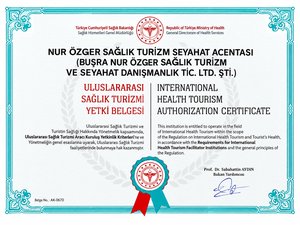


 Trusted by over 5,000 patients in more than 30 countries



How to Determine a Suitable Candidate for Breast Aesthetics?
The answer to the question of how to determine a suitable candidate for breast aesthetics can be given as a comprehensive examination analyzing basic medical criteria such as the person having completed their physical development, not having a chronic or systemic health problem, and their expectations from the operation being at a level compatible with medical realities. This evaluation stage is a detailed process where the physician’s physical measurements, the patient’s psychological readiness, and the anatomical infrastructure are examined together.
The main purpose of operations planned in the field of aesthetic and plastic surgery is to create a visual and physical balance suitable for the body’s own proportions. Individuals may experience changes in breast structure due to many reasons such as congenital structural features, advancing age, pregnancy processes, or severe weight fluctuations. Determining the suitability of people who want to regulate these changes through medical means for the procedures in question requires great care. The suitable candidate profile describes individuals who have the mental maturity to tolerate the healing process brought by the operation, not just physically.
As also emphasized by Buşra Nur Özger, who conducts detailed research in the field of digital health communication and medical content strategies, transparent communication between the patient and the physician forms the backbone of the candidate determination process. The past diseases the person has had, the medications they use, and their lifestyle habits are the main elements that draw the direction of surgical planning. Acting in accordance with medical norms lays the groundwork for the individual to make an informed decision about their own body.
At What Stage Should the Physical Development Process Be in Breast Aesthetics Candidates?
The answer to the question of at what stage the physical development process should be in breast aesthetics candidates is that the period when the breast anatomy has finished its growth and settlement phase and hormonal fluctuations have stopped changing the body form has been reached, which is generally accepted as equivalent to completing the age of eighteen in medical standards.
Throughout adolescence, there is continuous cellular activity in the mammary gland tissue under the influence of estrogen and progesterone hormones. During this period, the size, shape, and asymmetry status of the breasts may vary from month to month. An external intervention made before the body finds its own natural form can lead to disproportionate appearances in the tissue in the following years as the body grows. For this reason, plastic surgeons recommend waiting for the adulthood stage, when the body’s skeletal and muscular system takes its final shape, unless there is an urgent medical condition or a serious developmental anomaly. Plannings made on a tissue that has completed its development provide more predictable data in the long run.
Which Health Criteria Are Considered During the Medical Evaluation Stage?
The answer to the question of which health criteria are considered during the medical evaluation stage is calculating to what extent the body can withstand receiving anesthesia by having the patient’s cardiovascular system, blood coagulation values, respiratory capacity, and regular medications in use examined in detail by the physician and the anesthesiologist.
It is targeted that every individual who will lie on the surgical table first has a healthy physiology within themselves. Preoperative blood tests, kidney and liver function tests, infection markers, and electrocardiography (ECG) scans draw a map of the internal dynamics of the body. Blood circulation is desired to be in its normal course for the oxygenation of tissues during the operation and the nourishment of wound areas during the healing phase.
| Medical Evaluation Area | Medical Parameters Examined | Effect on the Operation and Purpose |
|---|---|---|
| Cardiovascular System | Heart rhythm, blood pressure history, ECG results | Tolerability of anesthesia drugs, ensuring circulatory balance during surgery. |
| Hemogram and Blood Values | Hemoglobin level, coagulation factors | Ensuring bleeding control, calculating tissue repair in case of anemia. |
| Endocrine and Hormonal Status | Thyroid functions, blood sugar levels | Predicting the rate of wound healing in conditions like diabetes and supervising the possibility of infection. |
How Do Psychological Readiness and Expectations Play a Role in Determining Candidates?
The question of how psychological readiness and expectations play a role in determining candidates is answered by analyzing issues during physician interviews, such as whether the difference between the patient’s own body perception and the form they want to achieve sits on a logical ground, and whether they make this decision with internal motivation rather than external factors or other people.
While aesthetic operations create a structural change in the body, this change must also be accepted in the individual’s mind. While listening to the patient’s requests during the examination, physicians try to understand the underlying motivation behind the question “why do I want this surgery?”. For candidates applying for reasons such as a partner’s request, a temporary mood disorder, or an unrealistic pursuit of perfection, it may be recommended to postpone or rethink the process. As Buşra Nur Özger also states in the contents she compiled on health sociology, the individual being at peace with their own body and knowing the medical limits of what the physician can do contributes to a smooth psychological adaptation process after the procedure.
How Do Body Mass Index (BMI) Ratios Affect the Operation Decision?
The answer to the question of how body mass index ratios affect the operation decision is the request to bring the patient’s height and weight balance closer to certain medical standards before surgical planning, predicting that excessive overweight conditions such as obesity may complicate the anesthesia process and affect the circulation of the healing tissue.
The ratio of adipose (fat) tissue in the body is a parameter that directly affects the technical dimensions of the surgery. Breast tissue also structurally houses a significant amount of fat cells. An aesthetic intervention performed when the person’s weight is far above the ideal limits may cause the breast to sag again or lose its form as a result of major weight losses in the future. Likewise, in the case of extreme thinness, the possibility of the edges of the implants (prostheses) to be used becoming prominent under the skin increases. In order to achieve a permanent and proportional appearance, surgeons evaluate the fact that the patient’s weight has remained within a stable range for the last six months as an important criterion for candidacy.
How Are Past Medical History and Chronic Diseases Included in the Evaluation Process?
The answer to the question of how past medical history and chronic diseases are included in the evaluation process is specifically modifying the process according to these medical data by discussing with anesthesiologists whether chronic diseases such as asthma, diabetes, and hypertension are under medical control, and reactions developed in previous operations.
It is essential for every individual applying to the clinic with a request for breast aesthetics to present their health history to their physician in full transparency. Uncontrolled diabetes can delay the closure of the wound site by slowing down capillary circulation after the operation. Autoimmune diseases can change the reactions of the body’s immune system to the healing tissue. Herbal food supplements or blood-thinning medications used all have the potential to affect the coagulation mechanism in the blood. The physician brings all these data together and decides whether the patient has a suitable medical profile for the aesthetic intervention in question; if necessary, they postpone the operation to a later date and wait for the body to be treated.
How Do Breastfeeding and Pregnancy Plans Change the Candidacy Status?
The answer to how breastfeeding and pregnancy plans change the candidacy status is leaving the planning to after the completion of the birth and breastfeeding processes, anticipating that the physiological expansion created by pregnancy and the activity in the milk ducts in women planning to become mothers soon may change the form achieved by surgery.
Pregnancy is a natural biological stage that creates significant anatomical differences in the female body, especially in the breast area. Glandular tissues preparing for milk production grow in volume, stretching the skin and suspensory ligaments. After the baby is weaned, when these tissues shrink, it is physiological to observe a structural emptying and sagging in the breast. If the patient undergoes a procedure such as reduction or lifting before this period, the possibility of the breast sagging again after pregnancy and needing a second intervention arises. For this reason, individuals who have family planning in the near future sharing these intentions with their doctors is critical information sharing in terms of the long-term permanence of the aesthetic planning.
How Do Lifestyle and Smoking Consumption Affect the Evaluation Process?
The question of how lifestyle and smoking consumption affect the evaluation process is answered by addressing the fact that the use of tobacco products has the potential to impair wound repair by reducing the oxygen rate in the blood and narrowing the capillaries, and therefore, the individual’s ability to show the will to stay away from these substances for a certain period is handled as a medical criterion.
The success of a surgical operation depends on the tissues being fed with sufficient blood at the cellular level. The nicotine in cigarettes disrupts the blood flow in small vessels, which we call microcirculation. The inability of the skin in the operated area to be nourished paves the way for the late union of wound edges, prolonged tissue edema, and thicker formation of scar tissue. During the candidate determination phase, aesthetic surgeons demand that their patients eliminate tobacco products from their lives in the weeks before the surgery and throughout the healing period. The operation planning of patients who cannot comply with this rule can be suspended to protect tissue health.
| Lifestyle Factor | Possible Physiological Effect on Operation | Physician Expectation and Planning |
|---|---|---|
| Tobacco and Nicotine Use | Vasoconstriction, tissue hypoxia (lack of oxygen) | It is requested to take a break for at least 3-4 weeks before and after the operation. |
| Regular Alcohol Consumption | Liver fatigue, increased edema, drug interaction | It is recommended to be limited for cell renewal during the healing period. |
| Sedentary Lifestyle | Slowness of blood circulation, lack of lymphatic drainage | A light walking habit is targeted to support the elimination of edema after surgery. |
How Does the Current Anatomical Structure of the Breast Tissue Shape the Planning?
The answer to how the current anatomical structure of the breast tissue shapes the planning is that the patient’s rib cage diameter, skin elasticity, current asymmetry between the two breasts, and the existing glandular tissue density directly determine the limits of the intervention and the technique to be used with millimetric calculations.
The candidate’s expectations in front of the mirror and the physical limits the body can offer may not always coincide. The volume of prosthesis that can be applied to a thin-skinned candidate with a narrow rib cage and the planning of a candidate with broader shoulders and thick subcutaneous tissue are completely different from each other. During the physical examination, the surgeon evaluates the nipple level, the distance to the inframammary fold, and the stretch marks or looseness (ptosis) of the skin. Sometimes it is determined that a patient who presents only with a complaint of size actually has significant skin sagging, and it is decided that a lifting procedure must be performed in the same session in addition to augmentation. These data of individual anatomy are the basic codes that prove the applicability of the operation.
How Do Previous Operations Reflect on the Candidacy Process?
The answer to how previous operations reflect on the candidacy process is that the internal scars (scar tissues) formed by surgical procedures previously undergone in the same or a different region, and the patient’s past reactions to anesthesia, offer references that can change the roadmap of the newly planned intervention.
Biopsies taken from the breast in the past, cyst surgeries, or previously performed aesthetic interventions cause fibrous bands to form in the internal structure of the tissue. When planning a new procedure, the position of these bands and how vascular structures have previously displaced must be considered by the surgeon. The anesthesiologist, on the other hand, questions in detail whether the patient has experienced nausea, respiratory distress, or an allergic reaction in the past. Presenting the medical file completely to the physician is another important evaluation criterion in candidate selection, which lays the groundwork for the smooth progression of the procedure.
Why Is the Capacity to Adapt to Social Life and the Healing Process Important?
The answer to why the capacity to adapt to social life and the healing process is important is that it is essential for wound repair that the individual can create the time to rest their body after the operation, has a supportive home environment where they can avoid demanding arm movements, and can adapt to a routine that will not disrupt their medical check-ups.
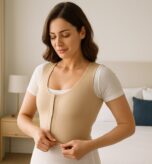
A surgical procedure is not just a situation that ends at the door of the operating room; the actual reconstruction takes place during the resting weeks spent at home. It becomes difficult for individuals who work in a job requiring intense physical effort, who need to lift heavy things right after the operation, or who are under such intense stress that they cannot spare time for themselves to safely overcome the healing process. The candidate’s discipline to use the medical bra recommended by the physician for weeks, their will to comply with the rule of not lying prone, and their capacity to slow down their daily routines when necessary are vital elements that directly affect the quality of the aesthetic harmony that will emerge at the end of the process.
Frequently Asked Questions
1. What is the lower age limit?
The answer to what the lower age limit is, is the completion of eighteen years of age, which is generally accepted in the medical world as the stage when physical and hormonal development is completed; however, in cases of severe medical necessities, different plans can be made with the physician’s decision.
2. Is there an upper age limit?
The question of whether there is an upper age limit is answered by stating that although there is no chronological upper limit, the main criterion is the absence of serious heart, lung, or systemic diseases that would restrict receiving anesthesia, that is, the general health condition must be at a level that can handle the operation.
3. Are low blood values an obstacle to the operation?
The answer to whether low blood values are an obstacle to the operation is that since deep anemia or coagulation problems will negatively affect tissue nourishment, these values should be expected to be brought to normal limits with medical treatments before the surgery.
4. Can chronic patients be candidates?
The answer to whether chronic patients can be candidates is that these individuals can also be included in the planning provided that ailments such as hypertension or diabetes are kept under control with medications under the follow-up of specialist physicians and a positive opinion is received from the anesthesia examination.
5. Can smokers have aesthetics done?
The question of whether smokers can have aesthetics done is answered by stating that since it disrupts wound healing by lowering the oxygen level in the blood, physicians present quitting tobacco use as a necessary condition for a certain period before the surgery and during the convalescence period afterwards.
6. Does having an allergic constitution cause problems?
The answer to whether having an allergic constitution causes problems is that it is of great importance to indicate known allergies to latex, antibiotics, or anesthesia drugs in the preoperative file, and that all drug choices are carefully organized according to this medical history.
7. Should those in the process of losing weight have surgery?
The answer to whether those in the process of losing weight should have surgery is that it is more correct for individuals who continue their diet program and have not yet reached their target weight to postpone the surgery, because the excess weight to be lost may cause new sagging in the breast tissue.
8. Can those who have just stopped breastfeeding have aesthetics immediately?
The question of whether those who have just stopped breastfeeding can have aesthetics immediately finds its answer in the fact that it is recommended by physicians that an average period of six months must pass from the date the lactation period ends so that the activity in the milk ducts stops and the tissue returns to its own natural volume.
9. Are those with rib cage asymmetry suitable candidates?
The answer to whether those with rib cage asymmetry are suitable candidates is that asymmetries in the skeletal structure (ribs) are detected by surgical examination, and they are in an appropriate group where visual balance can be largely achieved with the use of different sized prostheses or tissue transfers.
10. Can single women have breast aesthetics?
The answer to whether single women can have breast aesthetics is that marital status does not constitute a criterion for aesthetic procedures, and any female individual who has completed the age of eighteen, has completed her development, and is in good general health can undergo a medical evaluation.
11. Can those with a cyst in their breast tissue undergo an operation?
The question of whether those with a cyst in their breast tissue can undergo an operation is answered by stating that radiological screenings are performed with ultrasound or mammography before surgery, cysts found to be benign do not constitute an obstacle to the operation, and sometimes they can even be surgically drained in the same session.
12. Are these procedures performed only for aesthetic concerns?
The answer to whether these procedures are performed only for aesthetic concerns is that they are also performed for a medical need and anatomical reconstruction (repair) in situations such as back pain caused by size, posture disorders, under-breast skin problems, or post-cancer tissue losses.
13. How are surgery expectations measured?
The answer to how surgery expectations are measured is that it is revealed in the detailed face-to-face meetings the physician will have with the patient, by analyzing whether the person wants a copy of another body with photos in their hands or expects an anatomical improvement within the limits of their own body.
14. How should those who use regular medications manage the process?
The question of how those who use regular medications should manage the process is answered by stating that blood thinners, hormone medications, or food supplements can increase bleeding during the operation, and therefore all pills used must be presented to the doctor as a list and their usage times should be rearranged under physician control.
15. Are people who cannot spare time for the recovery period considered suitable candidates?
The answer to whether people who cannot spare time for the recovery period are considered suitable candidates is that since the body needs a certain amount of time for wound repair, edema elimination, and resting, it is targeted for people who have to return to a heavy work pace immediately to time it right because they may put the healing tissue at risk.