
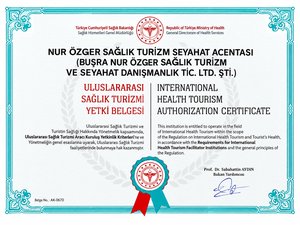


 Trusted by over 5,000 patients in more than 30 countries



How Does the Healing Process Progress After Hair Transplantation?
The answer to the question of how the healing process progresses after hair transplantation can be explained as your body adapting to the new situation, the transplanted roots beginning to be nourished in their new places, and returning to their natural cycle over time to realize their own growth phases. Individuals who notice thinning in their hair when looking in the mirror take this step to feel more peaceful and comfortable in social life. When the operation day is left behind, the period requiring real patience and care begins. For individuals to go through this period in a calm, understanding, and conscious manner is the greatest gift they can give to their own bodies. Especially hair transplantation processes planned in locations offering both clinical opportunities and comfortable accommodation options like Istanbul support individuals in making a stress-free start to this healing period. The process does not merely consist of the shedding of minor crusts on the skin, but is a long-term journey spread over months where a new change is observed in the mirror every day.
Eliminating questions in patients’ minds and reassuring them on this journey carries as much value as clinical applications. The human body responds to any touch made to it within a specific timeline. As frequently mentioned in Buşra Nur Özger Special information approaches, respecting this natural rhythm of the body and adapting to it rather than trying to speed up the process is essential. When individuals know in advance the sensitivity they will experience in the first days, as well as the subsequent crusting and shedding phases, they view these situations not as problems, but as ordinary signs of healing. This patient-centered communication model allows individuals to be the best observers of themselves. Individuals advancing with specialists who listen to them and understand their expectations spend this hair development calendar, which will last for months, in a very comfortable state of mind.
How Does Your Body React to the Procedure in the First Days?
The question of how your body reacts to the procedure in the first days is answered as slight sensitivity on your scalp, temporary fluid collection (edema) in your forehead area, and the formation of tiny pink dots in the transplanted areas. Your body initiates an intense repair activity to adopt the roots transferred to their new places and provide them with blood flow. These first forty-eight hours are the most delicate timeframe during which roots try to anchor into their new sockets. For individuals to rest plenty during this period is of great importance in terms of providing their bodies with the needed energy. To limit edema that may form in the facial area, keeping the head slightly above heart level and taking a position supported by several pillows while sleeping is recommended.
In this early period, it is a sound decision for patients to reduce their physical contact with the external environment to a minimum level. For example, reading something with your head bowed or looking at a phone for a long time can facilitate fluids moving down toward the facial area; therefore, striving to stand upright increases your comfort. Feeling a slight tension in the procedure areas is an ordinary reaction of your body. Applying routines recommended by specialists and adhering to the advice given to you ensures that these first days pass quite comfortably and calmly. Rednesses seen when looking in the mirror are a reflection of the body’s interest in that area and its effort to heal.
| Observed Condition | Body’s Purpose | Approach Recommended to Patient |
|---|---|---|
| Slight Swelling (Edema) | Gathering of intra-tissue fluids in the area for repair. | Keeping the head elevated and sleeping on the back. |
| Tiny Rednesses | Increasing capillary blood flow to new roots. | Not touching the area, avoiding friction. |
| Feeling of Tension | Skin trying to adapt by stretching to the new situation. | Supporting tissue moisture internally by consuming plenty of fluid. |
How Should Washing Routines Be Managed Afterward?
The answer to the question of how washing routines should be managed afterward is given as usually starting with the first wash performed by expert hands in a clinical environment on the second or third day following the operation, and subsequently turning into a care habit that the patient will continue with gentle touches at home. Following a professional hair transplantation process, this washing step allows the roots to breathe by cleaning leakages accumulated on the scalp and crusts that have begun to form. The first wash carries the quality of hands-on training for the patient regarding how to manage the process. Water pressure being very low and water temperature being lukewarm is extremely important.
In washes to be done at home, it is necessary to make light dabbing movements using only the fleshy parts of the fingertips without using fingernails. Lotions recommended by specialists are applied to the scalp before washing and waited for a certain period; in this way, crusts on the skin soften and separate from the skin without being forced during washing. While drying hair, rather than rubbing harshly with a towel, taking moisture gently with a paper towel or holding the hair dryer from a distance on its coldest setting is recommended. When this gentle routine is repeated every day for ten days, it supports the scalp in regaining a smooth and fresh structure.
When Does the Crusting Period Start and How Does It Conclude?
The question of when the crusting period starts and how it concludes is explained as this phase, which begins with the drying of tiny clots in the days immediately following the procedure, being completely cleared from the scalp within an average of 10 to 14 days thanks to regular lotion and washing routines. Crusts are a natural protective shield formed by the body’s wound repair mechanism. New hair roots lying beneath secure themselves under this shield and adapt to blood flow. Therefore, trying to pick crusts early and forcibly can cause roots that have not yet fully anchored to dislodge as well.
Allowing these crusts to fall off on their own through gentle washes done day by day is the healthiest way for the process to progress. Upon reaching approximately the end of the second week, patients notice these crusts disappearing in dandruff-like flakes while taking a shower or drying their hair. When the scalp is cleared of crusts, it becomes less noticeable from the outside that a procedure was performed. This stage is a milestone where patients experience great psychological relief upon returning to social life, adjusting much more easily to the image in the mirror.
What Is the Shock Shedding Phase and Why Is It an Ordinary Condition?
The answer to the question of what the shock shedding phase is and why it is an ordinary condition is given as transferred hair roots passing into a resting phase (telogen phase) to adapt to new blood circulation and gathering their energy in the root part under the skin by shedding the thin strands on them during this time. When many individuals see their hair falling out a few weeks after the procedure, they might think their expectations were in vain. Yet this shedding does not mean roots are lost; it is merely hair strands leaving the body for a temporary period.
Just like a tree shedding its leaves in winter and sprouting much thicker leaves in spring, hair roots also prepare to produce much higher quality strands following this shock shedding phase. Patients knowing this biological cycle allows them to spend these weeks to be experienced away from anxiety. Intensifying between approximately the first and second months, this condition is a process varying from person to person. Individuals manage this period by giving time to their bodies and patiently waiting for new sprouts to appear.
How Do New Hair Strands Show Growth in the First Months?
The question of how new hair strands show growth in the first months is answered as roots completing the resting phase starting to emerge toward the skin surface as tiny hairs usually starting from the third month, and subsequently these hairs thickening over months to harmonize with the patient’s own natural hair structure. When looking in the mirror around the third month, it is noticed that tiny strands called baby hair appear on the scalp. This period is an exciting stage for patients where they begin to reap the fruits of the process.
As approaching the sixth month, the number of emerging hair increases, hair strands thicken, and overall volume shows a distinct increase. In the time passing from the ninth month to the end of the first year, hair finally reaches its ultimate form. This long-term development calendar is a miraculous yet slow-working adaptation of human biology. Newly emerging hair continues to grow in the same color, same wave structure, and same character as the individual’s existing hair. The patient regains the freedom to style their hair as they wish, comb it, and perform care routines.
| Timeline | Hair Development Stage | Patient Observations |
|---|---|---|
| Months 1 – 2 | Resting and shock shedding phase. | Shedding of transplanted strands, skin healing. |
| Months 3 – 5 | First fine hairs emerging on skin surface. | Appearance of new hair, exciting changes. |
| Months 6 – 12 | Thickening of strands, volume increase, and maturation. | Hair regaining its natural structure and ease of styling. |
What Does the Healing Process in the Istanbul Location Offer Patients?
The answer to the question of what the healing process in the Istanbul location offers patients is explained as a stress-free environment where patients can focus solely on resting and healing, thanks to comfortable accommodation opportunities offered by this city, inter-clinic transportation conveniences, and constant follow-up by health teams expert in their field. For guests coming from various regions, Istanbul carries the quality of a renewal stop where they will be meticulously hosted rather than just an operation center. In a comprehensive hair transplantation organization, having every detail planned—from the patient’s rest at the hotel to clinic controls—lightens the psychological burden of the recovery period.
Individuals spending the first days in comfortable hotels in the city can easily consult even small details coming to their minds by communicating comfortably with clinic officials when necessary. This accessibility gives confidence to the patient. In Istanbul’s relaxing atmosphere, patients find the time they need to allocate to their bodies by distancing themselves from the stress of the outside world. Thanks to face-to-face controls performed by specialists, it is confirmed that stages like crusting and edema progress healthily; patients manage their processes much more consciously when returning to their own homes or jobs.
How Do Nutrition and Rest Habits Support the Development of New Hair?
The question of how nutrition and rest habits support the development of new hair is answered as consuming protein-rich foods for the production of keratin, which is the building block of hair roots, sleeping regularly to support cell repair, and drinking plenty of water to preserve tissue moisture taking the body’s healing capacity to its peak. Roots settled in their new sockets need vitamins and minerals coming via blood more than ever. Iron, zinc, and B-vitamin complexes play a key role in nourishing roots during this period.
Patients preferring balanced meals containing fresh vegetables, fruits, and protein during the recovery period increases the quality of blood flow. On the other hand, staying away for a while from tobacco products or excessive caffeine, which narrow vessel walls and reduce tissue oxygenation, helps blood circulation reach the scalp comfortably. Quality sleep speeds up tissue repair with growth hormones secreted by the body. Individuals provide hair roots with the supportive environment they need through these small yet effective touches they will make in their daily lives.
How Long Does the Return to Work Life and Social Life Take?
The answer to the question of how long the return to work life and social life takes is given as people working in desk jobs that do not require heavy physical strength usually feel good and can return to their daily routines within three to five days, while those working in more active or dusty environments may prefer resting for an average of ten days until crustings on the scalp are cleared. Following a careful and harmonious hair transplantation, when crusts in external appearance fall off, individuals step into their social lives much more self-confidently.
There are fine details to pay attention to in this process. For example, protecting the scalp from the sun in the first weeks and using loose, special hats recommended by the clinic is appropriate. Taking a break for a few weeks from heavy workouts that will suddenly raise blood pressure, saunas that cause sweating, or environments carrying infection risk such as pools is quite beneficial for the body’s rhythm. When patients come together with colleagues or social circles, they also ensure their psychological comfort by explaining this process as a renewal period for themselves.
How Is Healing Psychology Managed with Buşra Nur Özger Evaluations?
The question of how healing psychology is managed with Buşra Nur Özger evaluations is explained as ensuring patients are compassionate toward themselves during the time they spend in front of the mirror, spreading expectations across a timeline lasting months to prevent disappointments, and mentally supporting the individual with an empathetic consultancy language at every stage of the process. In Buşra Nur Özger Special communication standards, the fact that the individual’s mood directly affects physical healing is centered.
Although many people dream of waking up with thick hair as soon as the operation ends, the real biological timeline demands patience. It is gently conveyed to patients that possible annoyance they may experience during the shock shedding phase is very normal, but this is a temporary pause. The calmer and more harmoniously a person approaches their own body, the more comfortably hair follicles develop as the stress factor decreases. By making the patient feel they are not alone at every step of the process, a trust-focused psychological environment is built.
Frequently Asked Questions
1. When and how is the first washing procedure performed?
The answer to the question of when the first wash is performed is that it is usually carried out on the second or third day after the procedure in a clinical environment by applying special lotions and executing very gentle movements with fingertips.
2. How many days do swellings (edema) last and how do they pass?
The question of how many days swellings last is answered as mild edema that can form in the face and forehead area usually regressing spontaneously within 3 to 5 days, although varying from person to person, and keeping the head elevated supporting this process.
3. How should the sleeping position be in the first days?
The answer to the question of how the sleeping position should be is a back-lying position where the head is held high supported by two pillows in order to prevent transplanted areas from rubbing against the pillow and reduce edema on the face.
4. When can one start doing sports?
The question of when one can start doing sports is explained as light-paced walks being doable within a few days, but waiting about a month is usually recommended for heavy weight workouts causing sweating and blood pressure increase.
5. Do crusts fall off on their own?
The answer to the question of whether crusts fall off on their own is that yes, when described lotion and washing routines are applied regularly, crusts soften and separate from the scalp through natural means within an average of 10 to 14 days.
6. Does shock shedding affect everyone?
The question of whether shock shedding affects everyone finds its answer as this phase being experienced in a vast majority of patients as part of the adaptation process of new roots, being an ordinary and temporary condition.
7. Is it normal to have itching and how is it relieved?
The answer to the question of whether it is normal to have itching is that itching is ordinary as a natural sign of the wound healing process, and making light touches with only the finger flesh without scratching the scalp or using sprays recommended by the physician relieves it.
8. When can a hat or beanie be worn?
The question of when a hat or beanie can be worn is explained as accessories tightening the scalp in the first weeks being able to damage roots, and only loose hats recommended by the clinic being usable when going outside.
9. When can one enter the sea or pool?
The answer to the question of when one can enter the sea or pool is that taking a break from such activities during usually the first one-month process is deemed appropriate to prevent infection risk and protect the scalp from chlorine or sun.
10. When can a haircut be done?
The question of when a haircut can be done is answered as carefully trimming the transplanted area with scissors being startable a few months later, but exercising patience for up to six months being recommended for using a hair clipper to wait for roots to completely settle.
11. How do alcohol and tobacco consumption affect the process?
The answer to the question of how alcohol and tobacco consumption affects the process is that staying away during the first weeks provides great benefit to the body because these substances narrow vessels, lowering tissue oxygenation and slowing wound healing speed.
12. How long does the return to work life take?
The answer to the question of how long the return to work life takes is explained as individuals working in jobs like office environments that do not strain the body usually feeling ready to return to social life within 3 to 5 days.
13. Does the direction of transplanted hair look natural?
The answer to the question of whether the direction of transplanted hair looks natural is in the form of hair having an extremely natural and harmonious direction when grown, because the patient’s existing natural hair growth angles are taken as reference while placing roots.
14. How long should one wait to dye hair?
The question of how long one should wait to dye hair finds its answer as such procedures being comfortably doable after the sixth month when hair grows thoroughly and the scalp completely heals, so chemical substances do not irritate the scalp and fatigue new roots.
15. What should be paid attention to in nutrition throughout the process?
The answer to the question of what should be paid attention to in nutrition throughout the process is that eating foods rich in protein, vitamins, and minerals to support keratin production, as well as preserving tissue moisture by consuming plenty of water, directly supports the development of new hair.