
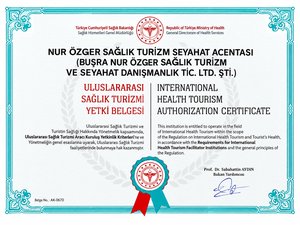


 Trusted by over 5,000 patients in more than 30 countries



How Does the Recovery Process Progress After DHI Hair Transplantation?
The answer to the question of how the recovery process progresses after DHI hair transplantation can be explained as a gradual physiological cycle where, following the transplantation of hair follicles collected from the donor area to the sparse areas on the scalp via Choi implanter pens, the body adapts to this new tissue arrangement at the cellular level, micro-sized holes are repaired by scabbing, the transplanted roots cling to the subcutaneous blood circulation and start to be nourished, and new hair strands emerge to the surface and gain form through a biological evolution lasting months. The human organism tends to repair itself and adopt these external structures following any tissue transfer. In the DHI method, performing the channel opening and root placement procedures simultaneously with minimal tissue damage allows this repair phase to progress more calmly. The medical procedure completed on the operating table actually constitutes only the beginning of a long-term restoration process. The settling of the transplanted roots into the scalp, the weaving of a new capillary network around them, and the follicles entering the production cycle is a time-consuming process shaped by the patient’s biological structure, nutritional habits, and the extent to which they comply with postoperative guidelines.
Presenting medical data on an objective and rational basis in the field of health communication is of great importance for individuals to correctly read the changes they will experience throughout the process. As expressed in the content analyses prepared by Buşra Nur Özger, conveying the postoperative recovery calendar in a transparent language supports patients in placing their expectations on a ground compatible with biological realities. This medical adaptation process, discussed within the context of Buşra Nur Özger Special approaches, aims to prepare the patient not only physically but also mentally for the recovery phases. The edema in the first days, subsequent scabbing, temporary shedding experienced within weeks, and ultimately the emergence of new hair are the normal and medically expected steps of this process. Patients viewing these stages not as complications but as the body’s self-renewal steps directly increases the comfort of the process. In the following sections, the biological changes experienced in the scalp after the DHI technique, the care routines to be followed, and the long-term follow-up steps are discussed accompanied by detailed questions.
What is Observed on the Scalp in the First Days After DHI Hair Transplantation?
The answer to the question of what is observed on the scalp in the first days after DHI hair transplantation is given as the accumulation of cellular fluids at the points where the follicles are placed, the emergence of tiny pinkness or redness due to repair activities in the capillaries, and the appearance of microscopic scabs forming a protective layer around the transplanted roots. Immediately following the operation, the scalp shows a natural reaction and tends to quickly close the opened fine holes.
These first seventy-two hours are the most sensitive phase where the transplanted grafts (hair root tissues) try to hold on to their new homes. The body sends white blood cells and coagulation factors to the treated area, creating a barrier against external factors. Due to this cellular activity, a temporary fluid accumulation (edema) may be experienced around the forehead and eyes. This is a medically normal picture caused by the downward movement of the fluids administered subcutaneously during local anesthesia due to gravity. In the first days, the patient may feel a slight tension or sensitivity in the scalp. Avoiding physical contact with the tissues during this period is a top priority to prevent the roots from dislodging.
| Observed Condition | Physiological Reason | Path to Follow |
|---|---|---|
| Mild Edema (Swelling) | Anesthesia fluids and tissue repair reaction. | Plenty of water should be consumed, the head should be kept in an upright position. |
| Pinkness and Redness | Acceleration of blood flow in capillaries. | The area should not be touched, medical lotions should be applied. |
| Micro Scabbing | The tissue taking itself under protection and coagulation. | Scabs should not be picked off, the natural washing process should be awaited. |
How Should the Scabbing Process Be Managed Post-Operation?
The question of how the scabbing process should be managed post-operation is answered as ensuring that these protective layers formed on the scalp are removed naturally within an average of ten to fifteen days by using special softening lotions recommended by the physician and making light patting movements with fingertips, without scratching with nails. Scabbing is a fundamental part of wound healing.
Thanks to the fine structure of the pens used in the DHI method, the scabs are usually the size of a pinhead. However, cleaning these scabs timely and correctly is essential for the transplanted hair follicles to receive oxygen. If the scabs remain on the scalp for a long time, they can restrict the roots from breathing and slow down cellular development. During the washing process, the lotion is left on the area, and then rinsed with warm, low-pressure water. In case the scabs are picked off, there is a possibility that the root, which has not yet fully attached to the tissue, will also come out with the scab. For this reason, it is aimed for the scabs to fall off on their own only with the softening effect of the lotion and water.
How Does the Shock Loss Phase Occur After DHI Hair Transplantation?
The answer to the question of how the shock loss phase occurs after DHI hair transplantation is explained as the transplanted hair follicles passing into a cellular resting phase (telogen phase) due to the trauma and relocation they are exposed to, on average between the second and fourth weeks after the operation, the roots remaining under the skin and shedding the hair strands on them, and this being a medically temporary adaptation process.
Many patients may experience anxiety when the transplanted hair suddenly starts to fall out. However, this situation is a biological renewal cycle inherent in hair transplantation procedures. The hair follicle resets its current energy consumption to adapt to the blood circulation in the new scalp it has entered and expels the lifeless strand on it. Only the externally visible hair strand is shed; the hair root (follicle), which is the actual cell-producing unit, remains healthily in place under the scalp. This resting phase lasts for a few months, after which the root transitions back into the active growth phase (anagen phase) to produce new and permanent hair strands.
At What Stage Do New Hair Strands Emerge to the Surface in the Transplanted Area?
The question of at what stage new hair strands emerge to the surface in the transplanted area is answered as the roots, having completed the resting phase after shock loss, starting to produce fine, downy hair strands around the third to fourth months after the operation, and these strands thickening, gaining pigment, and reaching their final form as the months progress.
The growth rate of new hair varies individually according to the patient’s metabolic rate, age, and nutritional habits. Around the sixth month, a significant portion of the transplanted roots will have emerged to the surface and created a visible fullness. However, it takes a timeframe of twelve to eighteen months for the hair strands to gain their natural volume, thicken structurally, and catch the overall aesthetic harmony of the scalp. In this long-term period, the hair follicles are nourished by the blood circulation system of the new area they are in and settle into a permanent cycle.
How Should the Return to Physical Activities Be Planned During the Recovery Period?
The answer to the question of how the return to physical activities should be planned during the recovery period is given as staying away from activities that will suddenly raise blood pressure and cause intense sweating for the first three to four weeks, preferring only light-paced walks on flat surfaces in the early period to support circulation, and transitioning to heavy weight training or contact sports months later with physician guidance.
The increased heart rate during exercise accelerates the blood flow going to the capillaries in the scalp. In an environment with unsettled grafts, increased blood pressure can pave the way for the roots to be pushed out or for micro-bleeding. Also, salt and waste accumulating on the scalp through sweating can enter through open pores and increase the risk of infection. At the end of the first month, when the scabs shed and the roots settle, a gradual return to activities such as swimming, light jogging, and fitness can be made.
How Does Post-Operative Sleep Position Affect the Process?
The question of how post-operative sleep position affects the process is explained as keeping the head slightly higher than the torso and in a supine position using special neck-supporting pillows for the first ten days to prevent the transplanted area from rubbing against the pillow or sheet and damaging the roots, thereby ensuring both the protection of the grafts and the downward drainage of edema that may form on the face.
Involuntarily turning right or left during sleep applies mechanical friction to the scalp. This friction can cause roots that have not yet fully fused to the tissue to dislodge. Patients using travel (U-shaped) pillows to stabilize their heads from turning minimizes this risk. Maintaining sleep quality during the recovery period is important for the balanced production of hormones secreted for cellular repair.
| Physical Condition | Rule to Follow | Biological Justification |
|---|---|---|
| Sleep Pattern | Should sleep supine (on the back) with head elevated. | To prevent friction of roots and disperse edema. |
| Exercise and Sports | Heavy sports should be avoided in the first weeks. | To keep blood pressure stable and restrict sweating. |
| Scalp Contact | Should not be scratched with nails. | To reduce tissue trauma and infection risk. |
How Does the Nutrition Plan Post-Hair Transplant Contribute to the Healing Rate?
The answer to the question of how the nutrition plan post-hair transplant contributes to the healing rate is answered as taking in the amino acids needed for follicles to perform cell division and capillaries to weave new networks into the body through protein-heavy foods, increasing tissue oxygenation with minerals like iron and zinc, and clearing cellular wastes with plenty of water consumption.
Hair roots are among the cell groups that divide and consume energy fastest in the human body. This energy is provided directly from nutrients taken through the blood. Limiting the consumption of carbohydrates and processed sugar in the post-operative period prevents blood sugar fluctuations, while a diet rich in B group vitamins (especially biotin), folic acid, and omega-3 fatty acids supports the roots entering the anagen (growth) phase more strongly. In an organism that lacks adequate nutritional values, the quality of hair strands may be low or the growth rate may slow down.
How is the First Wash Procedure Applied After the DHI Method?
The question of how the first wash procedure is applied after the DHI method is explained as a hygienic step usually performed on the second or third day of the procedure accompanied by the physician or medical personnel, based on the principle of feeding softening lotions to the tissue and waiting without applying direct pressure to the scalp, and then rinsing with special medical shampoos using light patting movements of the fingertips.
This first wash guides the patient on what path to follow at home in the subsequent weeks. It is essential that the water temperature is lukewarm, the water is not directed forcefully from the showerhead straight to the scalp, and the drying process is done by gently absorbing moisture with a paper towel, not by rubbing with a regular towel. This delicate washing routine is repeated regularly every day until the scabs are completely cleared.
How is the Healing Course of the Donor Area Monitored?
The answer to the question of how the healing course of the donor area is monitored is given as the millimetric gaps in the nape area where grafts were extracted shrinking and closing within a few days, seeing leaks or redness in this process as a natural sign of repair, and monitoring the healthy recovery of the area by using antibacterial/repairing creams recommended by the physician.
The donor area shows a much faster recovery reflex compared to the recipient area. The points where roots are extracted with a micromotor close rapidly thanks to the body’s coagulation system. Experiencing slight itching, tingling, or loss of sensation in this area during the first week originates from nerve endings renewing themselves. Keeping the area clean and letting it breathe facilitates the donor area regaining its natural form, which will be unnoticeable from the outside, within a few weeks.
How Do Sun Rays and Environmental Factors Affect the Healing Phase?
The question of how sun rays and environmental factors affect the healing phase is answered as the necessity to protect the transplantation area from environmental extremes in the first months, as the sensitive scalp, which has not yet completed its cellular repair, becomes prone to spotting (hyperpigmentation) when directly exposed to ultraviolet (UV) rays, and excessively hot or dusty environments can trigger the risk of infection.
UV rays can cause permanent color changes in newly healing tissues. Therefore, it is recommended that patients wear wide-brimmed hats that do not contact the scalp when going outside during hours when sunlight is direct. Similarly, environments with high humidity and heat, such as hammams, saunas, or steam rooms, are environmental spaces that must be avoided in the first months of the healing period, as they can suddenly accelerate blood circulation and strain tissue integrity.
Why Are Medical Products Used Post-Operation Important?
The answer to the question of why medical products used post-operation are important is explained as shampoos, lotions, and vitamin complexes prescribed by the physician ensuring the scalp is cleaned without disrupting its pH balance, facilitating scab shedding by preventing tissue drying, and supporting cellular nutrition externally/internally.
Standard cosmetic shampoos sold in markets can irritate the newly treated sensitive scalp due to the sulfates, parabens, or harsh chemicals they contain. Medical lotions, on the other hand, soothe the itching sensation by moisturizing the tissue under the scabs and ensure the scabs separate from the skin without damaging the roots. Using these products at the frequency and duration specified by the physician acts as a shield protecting the physical success of the operation.
How Do Buşra Nur Özger Special Approaches Direct the Process in Medical Communication?
The question of how Buşra Nur Özger Special approaches direct the process in medical communication is answered as organizing incomplete or exaggerated information patients have about medical processes with a transparent communication language, and supporting the patient’s mental adaptation and medical compliance by presenting the post-operative biological healing calendar within a rational framework.
From the perspective of Buşra Nur Özger, who conducts content analyses aimed at increasing health literacy, knowing what the patient will encounter is the greatest source of motivation. When the patient is instilled with the awareness that the shock loss phase is not a loss but a renewal; that scabbing is not a wound but a protective shield, the healing period passes much more comfortably. This communication model, free from information pollution and based purely on medical facts, allows the patient to spend a waiting period at peace with their body.
Frequently Asked Questions
1. When can one return to work after DHI hair transplantation?
The answer to the question of when one can return to work after DHI hair transplantation is that individuals working in desk jobs can usually return to their work after a two or three-day rest period, but for professions requiring physical strength, this period can take up to a few weeks.
2. When does transplanted hair start to grow?
The question of when transplanted hair starts to grow is explained as, following the completion of the shock loss phase and the roots exiting the resting phase, hair strands emerge to the surface of the scalp and start to grow from approximately the third or fourth month.
3. Does all transplanted hair fall out during the shock loss phase?
The answer to the question of whether all transplanted hair falls out during the shock loss phase is that although every patient’s biology varies, a vast majority (sometimes almost all) of the transplanted hair strands break off and fall out, and this is a normal part of the renewal cycle.
4. Is it normal to have itching on the scalp after the operation?
The question of whether it is normal to have itching on the scalp after the operation is answered as the itching sensation is an extremely natural symptom during the renewal of tissue cells and drying of scabs, and the area should only be soothed with medical lotions without scratching with nails.
5. Can a hat or beanie be used during the healing process?
The answer to the question of whether a hat or beanie can be used during the healing process is that tight and woolen beanies can rub against the grafts and damage them, and when it is necessary to go outside, only wide-brimmed hats approved by the physician that do not contact the scalp can be used.
6. When can one swim in the sea or pool after DHI hair transplantation?
The question of when one can swim in the sea or pool after DHI hair transplantation is explained as needing to stay away from these areas until the end of the first month on average, when tissue repair on the scalp is completed, because the chlorine in the pool and potential microorganisms in the sea pose a risk of infection.
7. Is a special procedure required for scabs to fall off?
The answer to the question of whether a special procedure is required for scabs to fall off is that scabs should not be forcefully picked off, and thanks to the special lotion and washing routine applied daily, the scabs soften and fall off on their own within ten to fifteen days.
8. How does post-operative alcohol and tobacco use affect the process?
The question of how post-operative alcohol and tobacco use affects the process is answered as alcohol disrupts circulation, and tobacco products restrict oxygenation of follicles by narrowing vessels; therefore, one must stay away from these products until tissue healing is complete.
9. When does the redness in the donor area disappear?
The answer to the question of when the redness in the donor area disappears is that the millimetric points created by the grafts taken from the nape area close rapidly, and the redness in that area generally fades and returns to skin color within one or two weeks depending on the skin structure.
10. Can hair be machine-shaved during the recovery period?
The question of whether hair can be machine-shaved during the recovery period is explained as machine contact with the transplanted area should be avoided for months to not shake the transplanted roots, and hair cutting should only be done using scissors and after the period specified by the physician.
11. How is edema formation reduced after the DHI method?
The answer to the question of how edema formation is reduced after the DHI method is that edema dissipates quickly by supporting the body’s fluid excretion through drinking plenty of water, resting with the head elevated from the torso in the first days, and complying with the physician’s advice.
12. When can hair dyeing be done after hair transplantation?
The question of when hair dyeing can be done after hair transplantation is answered as one should stay away from dyeing and chemical processes until the skin is fully repaired and the roots have settled (usually six months) because chemicals in hair dyes can damage sensitive tissue.
13. What should be paid attention to in the first days to prevent damage to transplanted roots?
The answer to the question of what should be paid attention to in the first days to prevent damage to transplanted roots is that physical blows to the scalp should be avoided, friction should not be created while putting on and taking off tight-collared clothes, and the area should not come into contact with the pillow in the sleeping position.
14. What is the structure of the hair that grows after shock loss?
The question of what the structure of the hair that grows after shock loss is explained as the first hair strands emerging to the surface are generally thin, weak, and downy, but as months progress, these strands thicken, gain pigment, and turn into normal hair structure.
15. How is the long-term process monitored after DHI hair transplantation?
The answer to the question of how the long-term process is monitored after DHI hair transplantation is that the growth rate of the roots is evaluated by the physician at control appointments held at periods of the first, third, sixth month, and first year, and the process is guided with vitamin and medical supports if necessary.