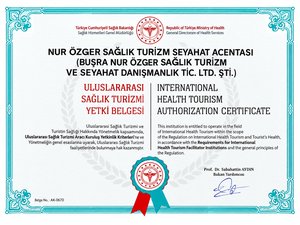


 Trusted by over 5,000 patients in more than 30 countries




How Does the Tummy Tuck Surgery Process Progress?
In the body’s journey through life, repairing loss of form occurring on the anterior abdominal wall—especially as a result of the stretching margins left by pregnancy periods, tissue elasticity decreasing with advancing age, or high-volume weight losses—requires a medical organization progressing step by step.
When individuals want to get rid of skin folds that cannot be recovered with diet and exercise, show under clothes, and cause posture disorders in social life, they step into this surgical shaping adventure.
Known medically as abdominoplasty, the Tummy Tuck operation encompasses not only the removal of excess outer skin, but also the rejoining of separated abdominal muscles in the middle line internally, providing the body with a natural corset effect.
The process is a whole requiring patience and compassion, extending from the moment of consultation when the patient first steps into the clinic to that calm period months later when body contours settle completely and attain their organic form.
In metropolises with a broad medical vision like Istanbul, every step of this operation is custom-tailored to the patient’s physical and psychological structure.
This structural touch to be applied to the individual’s body is managed without rushing, respecting the biological rhythm of the body.
In accordance with Buşra Nur Özger Special information principles, all physical sensations the patient will experience before, during, and during the convalescence period are conveyed in a transparent language.
This communication model built on rational expectations enables the patient to relax spiritually and perceive the process as a renewal break rather than a hardship.
In this journey where tissue repair, settling of edema, and the incision line planned as a thin line adapting to skin tone take time, the patient maintains constant close contact with their physician.
Each stage of the operation is processed with great meticulousness to rebuild the center of the body and offer the person an upright, proportional, and aesthetic profile to carry for the rest of their life.
What Happens During the Consultation and Initial Examination Stage?
Upon stepping into the clinic, first, the patient’s general health history, past operations, pregnancy histories if any, and weight fluctuations are recorded, followed by a detailed manual examination of skin laxity, adipose tissue thickness, and the degree of relaxation in midline muscles in the abdominal region while standing and lying down.
The fatigue felt by the individual in front of the mirror and their aesthetic expectations are met with empathetic listening by the physician.
The goal at this stage is not just to hear the patient’s complaints, but to determine to what extent the body can respond anatomically to which repair.
During the examination, the physician measures skin quality; calculates how far down the skin can be pulled and how much the position of the belly button can change.
The patient is shown through digital or physical drawings how the incision to be made will be hidden within the underwear line.
Realistic and reasonable guidance such as “This procedure will not drop you to a size zero, but it will take away that heavy feeling in your abdomen and give you a flat profile” helps expectations settle on a healthy foundation.
All questions asked by the patient regarding the process are answered in clear language, stripped of medical jargons, building the initial bond of trust.
What Are the Preparations to Be Made at Home Before Surgery?
In order for the body to enter a surgical repair strongly, it is requested to take a break from smoking and tobacco products that impair tissue oxygenation at least three weeks prior to the operation, discontinue herbal supplements like green tea that can delay clotting or aspirin-like drugs under physician control, and transition to a clean-content, protein-weighted nutrition routine supporting immunity.
The preparation phase is the key to the operation passing smoothly at the cellular level.
It carries great importance for patients to avoid severe crash diets and not put the body under stress during this period.
It is recommended to prepare comfortable, front-buttoned or loose clothes at home for post-surgery, and to set up the resting corner with pillows supporting the neck and under the knees.
Mental preparation is also a part of this process; the patient determining the person who will accompany them during recovery days and accepting to step away from daily hustles for a while paves the way for them to go to the hospital with a much calmer and more serene psychology.
| Preparation Step | Bodily Reason | Timing |
|---|---|---|
| Taking a Break from Tobacco Products | To prevent narrowing capillaries and impairing wound repair. | At least 3 – 4 weeks before the operation. |
| Discontinuing Blood Thinners | To reduce bleeding tendency during and after the procedure. | Under physician control, 10 days before the procedure. |
| Home Environment Organization | For post-discharge hunchback walking and resting comfort. | A few days before the operation day. |
How Do Hospital Admission and the Anesthesia Process Take Place on the Operation Day?
Following the admission of the patient to the clinic at the specified time, hungry and thirsty, the process is moved to the operating room with the final review of routine blood tests, examination of vital signs by the anesthesiologist, and surgical drawings made by the surgeon determining the actual operation map while the body is in a natural standing posture.
These first hours in the hospital room progress in professional tranquility.
The anesthesiologist prepares the patient for the operating room environment by administering a mild sedative (premedication) that alleviates the patient’s anxieties.
In such body contouring procedures where wide muscle groups will be repaired and skin will be tightened, general anesthesia is applied so that the patient feels no physical ache and muscles relax completely.
The patient feels only that they have drifted into a short sleep; all complex surgical steps are carried out meticulously by an expert team while inside that deep and protected sleep.
Which Surgical Steps Are Applied During a Tummy Tuck Surgery?
Entering through the pre-planned horizontal incision line that will remain within the underwear border, releasing the abdominal skin from the underlying fascia up to the rib cage, tightening the separated midline abdominal muscles with stitches to create an internal corset, and removing the excess part of the skin pulled downwards from the body while positioning the belly button to its new location are applied in order.
This anatomical repair is similar to narrowing a ripped garment so that it fits the body perfectly again.
If the patient has stubborn fat accumulations in the waist or flank (love handle) regions, liposuction is integrated into these regions simultaneously with the Tummy Tuck procedure, imparting a slimmer and more curved contour to the body.
While stitching the muscles corrects that outwardly bulging appearance of the abdomen, tightening the skin ensures that stretch marks and folds disappear to a large extent.
The process is concluded with aesthetic stitches placed in layers, and a body-specific corset is dressed.
How Does the Body React Within the First 24 Hours After Surgery?
As the patient taken to the recovery room gradually emerges from the effects of anesthesia, feeling intense tension in the abdominal region created by bandages and the corset, this process passing comfortably thanks to applied medical pain relievers, and thin tubes (drains) placed to ensure the body’s fluid elimination starting to work are the ordinary physical reflections of the first day.
The body has awakened to a new anatomy following the removed tissues.
The vital signs of the individual kept under surveillance in the hospital on the first day are monitored regularly by nurses.
A few hours later, the patient is asked to sit on the edge of the bed with nurse support and pace lightly in the room.
During this first walk, it is recommended that the patient walk slightly leaned forward instead of standing straight in order to alleviate tension on the abdominal stitches.
These small movements supporting blood circulation accelerate the healing reflex.
The first 24 hours are the adaptation phase when the body begins to accept its new form.
Why Are Drains Used and When Are They Removed?
Vacuumed thin tubes (drains) used to largely remove leakage fluids, blood cells, and edema that can accumulate under the skin in the operation region from the body ensure tissues heal smoothly over one another and are usually separated from the skin painlessly by the physician on the third or fourth day post-procedure when the amount of incoming fluid drops to a reasonable level.
While directing repair cells to that region following a surgical intervention, the body also secretes a certain amount of fluid.
If this fluid accumulates inside, swelling increases and the recovery process prolongs.
Drains work like silent assistants evacuating this load to the outside.
Patients get used to the presence of these tubes in a short time and can easily carry them alongside themselves while wandering inside the house or room.
The procedure of removing drains is an extremely practical step; afterwards, entry sites are covered with small pads, paving the way for the patient to take a shower.
What Information Is Provided During the Hospital Discharge Process?
To the patient whose hosting period at the clinic is completed, discharge procedures are carried out safely by explaining in detail the hours of antibiotics and pain-relieving medications to be used at home, how the corset will be worn and removed, the importance of resting in a V position by placing pillows under the waist and knees while lying down, and that suture regions must be kept dry.
Leaving the hospital environment means healing will continue in the comfort of home.
Physician and assistant teams explain the home care routine in a way that leaves no question marks in the patient’s mind.
They are instructed to avoid sudden twisting movements when dressing and standing up, and to prevent situations that will lead to straining.
For patients coming from outside Istanbul or abroad, this discharge process continues with transfer to contracted comfortable hotels.
Stepping away from the hospital, the individual steps into the convalescence period with the psychological relief of knowing that communication with the clinic team will continue.
| Home Care Rule | Bodily Benefit | Duration of Application |
|---|---|---|
| Walking Leaned Forward | Lowers tension and stretching on stitches. | Throughout the first 7 – 10 days. |
| Sleeping in V Shape (Folded) | Provides comfortable sleep by keeping the abdominal wall loose. | Throughout the first 2 weeks. |
| Regular Corset Usage | Ensures balanced distribution of edema and healing of tissue together. | For an average of 4 – 6 weeks. |
How Should Nutrition and Fluid Consumption Be During the Resting Period at Home?
Preferring fibrous foods and olive oil vegetable dishes in order not to fatigue the intestinal flora and prevent constipation problems that will increase intra-abdominal pressure; consuming high-quality protein to support tissue repair, and drinking plenty of water sip by sip throughout the day to accelerate edema elimination constitute the main framework of the nutrition order at home.
This support made from the inside ensures that external stitches heal much more organically.
In the early post-surgery period, it is requested to stay away from gas-producing legumes, processed foods containing excessive sodium (salt), and acidic beverages.
Gas accumulating in the abdomen leads to the tightening of repaired muscles and the person feeling discomfort.
A clean and light diet both accelerates metabolism and helps the patient feel more energetic.
Abundant water consumption, on the other hand, makes a direct contribution to the wound healing calendar by providing the moisture cells need.
How Does Medical Corset Usage Support the Body During the Recovery Period?
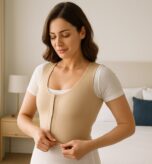
Medical corsets applying homogeneous pressure to the abdominal wall from the outside ensure smooth adhesion of the skin to the underlying muscle tissue while eliminating the sagging feeling created by gravity, minimize fluid accumulation, and act as an external skeleton protecting stitches during sudden reflexes of the patient such as coughing or standing up.
The corset is the most crucial material protecting the cellular success of the operation.
Although patients experience a slight adjustment process in the first days due to the tightness feeling created by the corset, they realize how necessary this medical garment is because of that emptiness feeling they sense when standing up without a corset.
Recommended to be used day and night generally between four and six weeks, this product is removed only during showering.
The body adapting to its new form and the silhouette settling take place largely thanks to the disciplined pressure provided by this corset.
When Does the Return to Desk Jobs and Daily Social Routines Begin?
Return to desk jobs requiring no physical strength and not fatiguing the body, as well as ordinary daily social activities, varies depending on the person’s own recovery speed and pain threshold, but usually occurs between the tenth and fifteenth days post-operation; the patient reaches a condition during this period where they can walk comfortably on their own, stand upright, and meet their daily personal needs.
Recovery is a gradual process where one feels better every day compared to the previous day.
That stiff and leaned walk of the first week leaves its place to more comfortable steps in the second week.
The person can go out and drink their coffee with their corset remaining under their clothes or sit in front of their computer in the office.
However, even during this period, it is important to avoid carrying heavy grocery bags or reflexes that will twist the body suddenly.
When individuals return to social life, they gain great motivation as they see how properly their clothes fit on them.
When Does the Surgical Scar Begin to Fade and How Is Scar Care Conducted?
Scar management—starting after the tapes over the surgical incision line hidden in the underwear line are removed completely—progresses with this line, which is prominent and in red/pink tones in the first months, softening and fading within months thanks to silicone-based repairing gels and moisturizing massages, transforming into a thin, faint form close to skin tone at the end of the first year.
The wound healing character of the skin differs in each individual, but the management of these scars is eased with organic supports.
Scar care is an important stage where the patient actively participates in the process.
Creams recommended by the physician are massaged in along the suture line using light circular pressures made with fingertips.
This massage balances collagen accumulation in that region, preventing the scar from becoming raised (hypertrophic).
In addition, protecting the scars from the scorching UV rays of the sun throughout the first year is very valuable to prevent dark-colored spots from forming.
Rather than carrying a sagging tissue, individuals adopt a thin line remaining under the bikini as a much more aesthetic form.
When to Transition to Sports and Physical Activities Within the Process?
While light-paced indoor or flat-road walks are permitted starting from the first days of the recovery period; to return to sports increasing intra-abdominal pressure such as crunches, weight lifting, pilates, or intense cardio, it is taken as a basis for the sixth or eighth week post-operation to be completed, waiting for internal stitches to fuse completely.
Sports are a friend of the body, but when performed at the wrong time, they can risk repair.
In this surgical procedure where muscles are stitched at the midline, those stitches strengthening requires time.
A demanding abdominal exercise performed in the early period can lead to the repaired fascia opening up again.
Therefore, patients must listen to their bodies until the sixth week and suffice with walking only.
After two months, when sports are started with physician approval, individuals notice a tightness and strength in their abdominal centers they have never felt before, enjoying practicing sports.
How Is the Process Planned for Patients Coming from Out of Town in Istanbul Clinics?
For guests coming from outside the metropolis or abroad, the operation process is managed with a comprehensive organization package encompassing airport transfers, accommodation in comfortable hotels integrated with the clinic, hospitalization days spent in the hospital, and nurse controls performed at the hotel post-discharge; the patient staying in the city generally between seven to ten days is found sufficient in terms of medical safety.
Istanbul’s broad medical vision focuses on ensuring the patient feels safe not only on the operating table, but throughout their entire travel.
The patient is not wanted to make a long plane or bus journey before the removal of drains and initial wound checks are completed.
While the patient passing to the hotel spends their rest days in a calm atmosphere of Istanbul, they experience the comfort of reaching the clinic rapidly in case of any problem.
When return time comes, all medical approvals necessary for travel and care prescriptions that will continue at home are delivered to the person.
How Is Process Management Provided in Buşra Nur Özger Approaches?
Centering the fact that the individual heals not only physically, but also spiritually, it is managed with a patient-oriented communication model where rational targets are shared transparently instead of exaggerated expectations before surgery, body-respectful techniques are applied at the moment of operation, and every question of the patient is answered in an empathetic language during the convalescence period.
This solid bond of trust established is the most valuable guarantee of the process.
Buşra Nur Özger Special communication principles instill in the patient the feeling of “we are alongside you in this process of getting used to this new body” rather than an approach of “you had surgery, it’s over.”
When time-consuming processes such as the healing of a surgical incision, the body retaining edema, or the scar fading are explained to the patient from the beginning, the person does not experience panic.
Thanks to this honest and visionary guidance, the organic and flat body contour encountered in the mirror months later permanently refreshes the patient’s love for their own body.
Frequently Asked Questions
1. How long does a tummy tuck procedure take?
Depending on the patient’s tissue laxity, level of muscle separation, and whether liposuction is added, the operation usually takes between two and a half to four hours.
2. Will I have a lot of pain after surgery?
Although tension and sensitivity linked to muscle repair are experienced in the first days, this condition is managed comfortably with intravenous medical drugs in the hospital environment and oral drugs at home.
3. Will my pregnancy stretch marks disappear with this procedure?
Since the stretch-marked skin in the region remaining below the belly button and deforming the most is removed from the body entirely, you get rid of stretch marks in that part to a large extent.
4. Will my belly button look like its old natural state?
While the skin is pulled downwards, the location of your existing belly button is not changed; a window is merely opened in the newly tightened skin, it is brought out from there, and it is stitched in accordance with its organic form.
5. When is it possible for water to touch the operated region?
Following the removal of drains, depending on the status of medical tapes over the stitches and with your physician’s approval, a standing lukewarm shower can usually be taken 3-4 days post-operation.
6. Will stitches need to be removed?
Since aesthetic internal stitches that the body can melt on its own over time are usually used in modern surgical techniques, a separate stitch removal procedure is not required afterwards.
7. Why should I walk leaned forward during the recovery process?
It is necessary to bend the body slightly forward in the first days to reduce mechanical load placing on the new tight skin and stitches on your abdomen and ensure the wound heals in peace.
8. When will the swellings on my abdomen subside post-surgery?
Tissue edema, which is at its highest level in the first weeks, decreases largely at the end of the first month, but it can find up to six months for the body to attain its slim form entirely.
9. Can I wear the corset under my clothes?
Yes, medical corsets given to you are thin and ergonomic enough to be worn under your daily clothes, creating no rough appearance from the outside.
10. Can someone who smokes have surgery?
Because it severely impairs wound healing, patients are requested to take a complete break from smoking at least three weeks prior to the operation and until recovery is completed.
11. Should I have this surgery while continuing to lose weight?
It is expected that you drop down to your target weight and stabilize your weight; otherwise, if you lose too much weight post-surgery, your skin can show a tendency to sag again.
12. Does getting pregnant post-procedure ruin the aesthetic result?
There is no medical obstacle to getting pregnant, but since the growing uterus will stretch the repaired muscles and tightened skin again, it affects the permanence of the achieved aesthetic form.
13. Will I experience a loss of sensation in my abdominal region?
Because a wide tissue procedure is performed, experiencing numbness or loss of feeling around the incision and on the abdominal skin in the first months is ordinary; sensation returns as nerve endings renew.
14. Should liposuction be performed together with a tummy tuck surgery?
To slim not only the front of the body but also the sides (waist curve) proportionally and capture the hourglass form, these two procedures are usually planned together.
15. Which sleeping position is recommended during the recovery period?
To zero out tension on the abdominal wall, resting in a V shape by placing a pillow under the head and behind the knees while lying on the back is most suitable for the first weeks.