
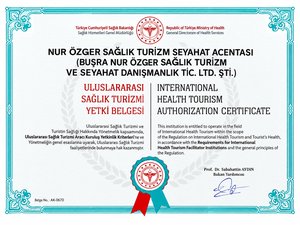


 Trusted by over 5,000 patients in more than 30 countries



How Should Newly Emerged Hair Be Cared For After Hair Transplantation?
The answer to the question of how newly emerged hair should be cared for after hair transplantation is based on the principles of using pH-compatible shampoos that do not fatigue the scalp, staying away from mechanical pulling, restricting high heat sources, and supporting the body from the inside out with rich vitamin groups in order for those delicate, fine-structured sprouts starting to appear on the skin surface to complete their cellular maturation phases. When individuals look in the mirror and see those new hair strands they have waited for so long for the first time, they experience great excitement. These first strands extending from beneath the skin to the surface are structurally quite sensitive, unprotected against external factors, and in the form of a baby hair prone to breaking. Following a planned hair transplantation organization, how this new tissue emerging onto the surface will be nourished and protected, just like the anchoring stage of roots, directly affects the final aesthetic appearance of the process. Although these strands will gain pigment with the minerals they receive from their roots within months and reach their original thicknesses, the compassionate care to be shown to them during this development period lays the foundation for strands to grow in a healthy and full manner. While the human body prepares this newly built tissue against the damaging elements of the outside world, the person’s daily cleaning and styling habits are expected to be compatible with this effort of the body.
On a patient-oriented communication ground, the care anxieties carried by individuals regarding their hair are listened to with deep empathy. Many people, out of the eagerness to thicken newly emerged strands as soon as possible, can show a tendency to apply various oils, harsh massages, or chemical mixtures to the scalp based on hearsay information. Yet, this excessive intervention can set the process backward by making it difficult for follicles newly settled into pores to breathe. Within the framework of Buşra Nur Özger Special information approaches, it is explained to the patient in a transparent language that things progress much more calmly when left to nature’s own rhythm, and that the main purpose of care is merely to ensure cleanliness and preserve the moisture balance of the scalp. In the intense living pace of metropolises like Istanbul, factors such as city dust or the hardness degree of water can affect hair strands. Considering these dynamics, practical, simple, and protective steps that patients can integrate into their daily routines are determined. When individuals learn to give time to their hair instead of applying harsh chemicals to it, they notice with great peace at the end of a year that that voluminous and organic silhouette they will see in the mirror is a product of their own patience.
What Kind of Care Routine Do New Hair Strands Demand in the First Months?
The answer to the question of what kind of care routine new hair strands demand in the first months is answered as demanding a series of delicate touches—where only clean-content cleansers recommended by specialists are used to prevent fine strands emerging onto the surface from breaking, very soft circular movements are made with fingertips during washing, and moisture is just gently absorbed instead of rubbing harshly with a towel to dry the strands. These first months are the period when the root accustoms the hair strand, which is its ambassador on the surface, to the outside world.
At this stage, hair strands have not yet built their own keratin armor entirely. Therefore, a harsh brush stroke or a sudden scratching movement made with a fingernail can lead to these weak strands being shaken from their roots. It is requested that individuals evaluate their bath routines not as a task to be rushed, but as a respect break they show to their bodies. Avoiding the water pressure, not striking water directly against the scalp, and behaving meticulously while purifying products from the skin provide the calm environment these delicate strands need to transform into a strong shaft.
Which Shampoos Should Be Preferred While Washing Fresh Hair Strands?
The answer to the question of which shampoos should be preferred while washing fresh hair strands is given as dermocosmetic-structured cleansers—free of sulfates, parabens, and heavy silicones, respecting the scalp’s natural acidic mantle (pH balance), and enriched with soothing herbal extracts or repairing vitamins like panthenol—supporting cellular health. Standard market shampoos sold in the market harbor strong foaming agents, and these agents can over-dry fresh skin.
A drying scalp increases the sensation of itching by losing its elasticity, and this condition renders the ground where new hair strands reside unproductive. The correct shampoo not only purifies dirt, but also supports roots in receiving oxygen by ensuring pores remain open. It is advised to patients to lather the shampoo slightly in the palm of their hand first, rather than pouring it directly onto the hair scalp, and then gently leave that lather onto hair strands. This small washing detail lightens the chemical load placed on strands and opens space for organic growth.
| Shampoo Content | Effect on Scalp and Hair | Suitability for Use |
|---|---|---|
| Containing Sulfates and Parabens | Strips natural oil entirely, creating excessive dryness and irritation. | Recommended to stay away from throughout the first year. |
| Harboring Heavy Silicones | Wraps around the strand, making it difficult for pores to breathe. | Should not be preferred as it will slow down cellular breathing. |
| pH-Compatible Products with Panthenol and Aloe Vera | Soothes skin, traps moisture, and keeps strands soft. | Must form the basis of the daily care routine. |
Does the Hair Drying Process Harm New Follicles?
The answer to the question of whether the hair drying process harms new follicles is explained as avoiding hot blow-drying—since hair-dryers blowing high heat will rapidly evaporate skin moisture, creating tension in pores and preparing the ground for newly sprouting fine strands to dry and break structurally—and instead, drying naturally or using the cool setting of the device being much more appropriate for the body. Heat is an external factor weakening keratin bonds.
Drying hair by rubbing harshly with thick-textured towels when coming out of the shower subjects un-matured strands to a mechanical pulling force. Instead, absorbing excess moisture on the hair only with gentle dabbing movements using a soft cotton cloth or paper towel prevents follicles from shaking. If using a drying machine is a necessity, setting the device at least thirty centimeters away from the scalp and in a way that blows only cool air guarantees the healthy growth of hair strands.
Does Massaging First Emerging Hair Support Growth?
The answer to the question of whether massaging first emerging hair supports growth is given as, although light massages performed to increase blood circulation contribute to tissue nourishment, this procedure should be done after the third or fourth month when roots are settled entirely and strands pierce the skin comfortably, using only the flesh of fingers without nails with very gentle circular movements. Harsh massages performed in the early period bring fatigue rather than benefit to capillaries.
The skin tissue around newly emerging hair strands is recovering its elasticity anew. Massages applied unconsciously and with high pressure can disrupt the anchoring angle of the follicle or break fine strands. While making massages on their own, patients must not move their scalps, but rather touch their fingertips lightly. This gentle touch accelerates blood flow in that region with minor momentums, raising the amount of oxygen and nutrients going to roots through natural ways.
How Should the Combing Procedure of New Hair Be Performed?
The answer to the question of how the combing procedure of new hair should be performed is answered as preferring wide-toothed, rounded-tip wooden or carbon combs in the first months when strands are still sensitive against mechanical pressure, performing the combing movement starting only from the ends without pulling hair roots from the skin, and meticulously avoiding combing hair while wet. Wet hair is in the phase most susceptible to stretching and breaking.
Hair emerging following a meticulous hair transplantation process can show a tendency to tangle with one another. Applying force with harsh brushes to open these knots leads to strands, which are still weak, shaking from their roots. Comb selection is as precious as shampoo selection in this process. Pointed plastic combs can scratch the scalp. Light combing procedures performed with soft-tipped combs solely to straighten the form of hair also support strands in finding their own natural direction.
How Do Sun Rays Affect Fresh Hair Strands?
The answer to the question of how sun rays affect fresh hair strands is given as high ultraviolet (UV) rays creating color fading in fresh hair strands—which have not yet fully formed their own defense pigments—weakening in keratin structure, and creating moisture loss depending on the temperature increase on the scalp, which can fatigue cellular development. Just like a new plant needing protection from the scorching sun, new hair must also be guarded against excessive heat.
Protecting the scalp while spending time outside in summer months prevents strands from drying and becoming dull. However, while providing this protection, tight bonnets or woolen hats that leave the hairy skin airless, squeeze, and cause sweating must be stayed away from. Instead, loose and wide-brimmed cotton hats approved by the clinic that allow air circulation should be preferred. Pores breathing is the most important environmental support in the growth marathon of new strands.
Does the Nutritional Routine Increase the Quality of Newly Emerged Hair?
The answer to the question of whether the nutritional routine increases the quality of newly emerged hair is explained as, while shampoos applied from the outside clean only the surface of hair, proteins, B group vitamins (especially biotin), and minerals like zinc and iron taken from the inside reaching follicles via blood being the most fundamental materials directly building the thickness, vibrancy, and structural resistance of the hair strand. The hair strand is the feeding mirror of the body.
If the body cannot take in the water and vitamins it needs, follicles show this deficiency by producing fine and lifeless strands. It is advised to patients to think of this hair-growing phase, which will spread over months, as a health detox. Fresh vegetables, balanced protein intake, and water drunk throughout the day increase blood fluidity in capillaries. Thus, every single hair root attains the building blocks to realize a thick and strong keratin production at the upper limit of its own potential.
When Can Hair Gel or Stylers Be Used?
The answer to the question of when hair gel or stylers can be used is given as such chemical cosmetic products—which clog pores, leave residue on the scalp, and lead to breakages by hardening strands—not being appropriate to be used before the sixth to eighth month, when hair has matured entirely and the skin has attained its own natural flora, because it will strain the cellular cycle. New strands do not yet possess the resistance to carry the chemical load.
When products like gel or wax used contact the scalp, they restrict oxygen exchange. The production of roots remaining without oxygen slows down. As expressed by Buşra Nur Özger, individuals being at peace with that natural texture of their own hair and allowing strands to find their own forms instead of styling sprays is essential for the permanence of aesthetic integrity. When the process settles entirely, it is taught that these products should be applied only to the ends of hair and kept away from the skin.
| Styler Type | Possible Effect on New Hair | Recommended Time for Use |
|---|---|---|
| Gel and Wax (Solid) | Clogs pores, breaks strands by weighing them down. | After the 8th month, without touching the skin. |
| Hair Spray (Aerosol) | Dries the keratin structure, prevents breathing. | Not recommended or rarely in advanced stages. |
| Natural Care Oils | Traps moisture, but if applied excessively disrupts oil balance. | With specialist approval, after the 4th month only to ends. |
How Do Climate Conditions in Istanbul Change the Care of New Hair?
The answer to the question of how climate conditions in Istanbul change the care of new hair is answered as the metropolis’s occasionally increasing humidity rate, exhaust and city dust in the air, and the calcareous structure of tap water potentially leaving residue on the scalp; therefore, individuals residing in city life needing to pay slightly more attention to scalp cleansing and purifying yet non-drying care routines as a bodily necessity.
Calcareous waters can leave a dull layer on hair strands, causing those fine, newly emerged hair to look hard and shapeless. In a dynamic city like Istanbul, purifying the dirt of the day from the scalp with lukewarm water in the evenings relaxes follicles. When necessary, using purifying filters attached to shower heads breaks the hardness of water, offering a hidden yet strong support for hair to grow in a much softer and more flexible form.
Is the Shedding of Newly Emerged Hair an Ordinary Process?
The answer to the question of whether the shedding of newly emerged hair is an ordinary process is given as the shock shedding phase—where follicles prepare themselves for a new and stronger production cycle by shedding the first weak strands they produced due to a biological adaptation—not being a problem or loss, but rather an extremely healthy and expected step taken by the body for permanent hair to emerge onto the surface. This shedding does not mean the root is dead.
Human anatomy casts out the old and weak while starting a new organization. Patients can experience major demoralization when they see these first strands coming to their hands. However, beneath the scalp, the root cell, which is the main source of life, is weaving the infrastructure of a thicker strand with energy taken from blood circulation. When this biological renewal pause is gotten through with composure, the actual hair that emerges creates that voluminous aesthetic form the person will enjoy for years.
When Do Strands in Baby Hair Form Thickening?
The answer to the question of when strands in baby hair form thicken is explained as those colorless, fuzz-like fine structures emerging onto the surface in the third and fourth months usually beginning to thicken visibly starting from the sixth month onward and turning into the person’s own original hair form, together with the follicle strengthening its bond with capillaries and accelerating keratin pigmentation. This thickening is the key to aesthetic fullness.
Following a comprehensive and well-planned hair transplantation process, the maturation of hair resembles a marathon run. While strands in front regions act more agilely and show an early thickening tendency, those in the crown region can follow this cycle slightly more behind. Individuals cutting (shaving) their hair frequently with the eagerness to strengthen hair strands in this period does not change the biological thickening speed of strands biologically; this momentum is related entirely to the internal energy of the body.
At Which Stage Should Hair Care Oils and Serums Be Included in the Process?
The answer to the question of how hair care oils and serums should be included in the process is given as natural extracts like argan, almond, or coconut oil or medical serums being able to be applied lightly starting from the fourth or fifth month—when pores on the scalp normalize entirely and roots anchor firmly beneath the skin—by taking specialist approval and in a way that will contact solely the shaft of strands.
Dense oils used in the early period create a thick layer on the scalp, clogging pores and leading to follicles remaining oxygenless. Timing is very critical so as not to harm the process while trying to perform care. When strands grow and their ends need moisture, these natural oils soften the outer cuticle layer of hair, imparting elasticity to them. Since every individual’s hair structure differs, products to be applied being evaluated specifically to the individual by the physician ensures the safety of organic growth.
How Do Buşra Nur Özger Special Approaches Shape the Care of New Hair?
They are shaped through the transparent communication of a practical and compassionate care philosophy—where cleanliness and moisture balance are kept at the forefront, respecting the body’s own repair rhythm, and not complicating the individual’s social life—rather than presenting hearsay, complex, and tiring cosmetic prescriptions to the patient. Patients apply to the clinic with many question marks tiring their minds regarding care.
In the Buşra Nur Özger Special consultancy model, it is conveyed to the person that hair strands are a part of nature, and success is brought not by excessive intervention, but by observing calmly. The individual gets rid of the anxiety of “what should I apply to make it grow faster?” and reaches the consciousness of “my body will perform its repair perfectly in its own time.” This rational and psychologically supportive approach allows hair-growing months to turn into a pleasant personal development adventure rather than a stressful waiting period for the patient.
Frequently Asked Questions
1. How frequently should I wash my newly emerged hair?
So as not to disrupt the natural sebum (oil) balance of the scalp, washing twice or three times a week under lukewarm water with pH-compatible shampoos instead of every day is more appropriate for the body.
2. Do flaky formations on my hair roots harm new hair?
Mild flaking is a sign of skin renewal and does not harm; however, if intense dandruff exists, purifying products recommended by the specialist should be used so that pores do not clog.
3. Can I style my new hair with a hair-dryer?
Because high heat will dry out the keratin structure of new and fine strands, leading to breakages, the drying process must be performed only with the cool air setting of the machine and from a distance.
4. How long must I wait to dye fresh hair strands?
In order for ammonia and harsh chemicals inside the dye not to fatigue fresh roots, the completion of the sixth or eighth month is generally awaited.
5. Does applying olive oil or almond oil make hair fuller?
Oils only soften the hair strand from the outside and do not provide new root production; dense oils applied to the scalp in the early period can clog pores, bringing more harm than good.
6. Why does the direction of emerging hair look complex?
While roots establish their own vascular networks beneath the skin, the first strands they produce can be shapeless; as they grow and weigh down over time, they find their own natural lying directions.
7. Is it ordinary to feel pain at the roots when I touch my new hair?
The mild pricking or sensitivity sensation experienced in the phase where follicles try to pierce the skin and emerge onto the surface is a natural result of cellular activity.
8. What should I do to keep my scalp moist?
While drinking plenty of water during the day moisturizes the skin from the inside, using water-based, lightly soothing lotions recommended to you by the clinic provides elasticity from the outside.
9. How should the temperature of bath water be adjusted?
Because hot water will remove the skin’s natural moisture, drying and irritating the scalp, water warmth should always be kept at a lukewarm level close to body temperature.
10. Does sweating while working out fatigue new hair?
Salt and acid inside sweat can cause itching in pores; therefore, rinsing hair with lukewarm water without waiting post-workout protects pore health.
11. Does cutting first emerging fuzz with scissors ensure they thicken?
Cutting the lifeless shaft of hair on the outside does not change the production capacity of the root beneath the skin biologically; the thickening process depends on time and blood circulation.
12. How should hair brush selection be?
Instead of pointed plastic-stranded brushes, wide-toothed and rounded-tip wooden or carbon combs should be preferred, and hair should be combed gently without pulling from the roots.
13. What products should I use if flaking occurs?
Instead of trying market products on your own, you should turn toward dermocosmetic anti-dandruff shampoos that preserve your skin’s flora and are deemed appropriate for you by your physician.
14. Does Istanbul’s calcareous water harden hair strands?
Yes, lime can leave a dull and hard layer on hair strands; to alleviate this condition, attaching filters to shower heads or using drinking water in the final rinse can be beneficial.
15. What does Buşra Nur Özger suggest for new hair care in daily life?
She suggests keeping hair strands away from unnecessary cosmetic loads, establishing a minimalist and patient care routine prioritizing cleanliness while respecting body flora.