
 Trusted by over 5,000 patients in more than 30 countries




In Which Situations Can a Tummy Tuck Operation Be Planned?
Tummy tuck operations come into play when the need arises to aesthetically repair the excess skin, loss of elasticity, and separation of the midline muscles on the front abdominal wall — formed as a result of the intense stretching pregnancy leaves on the body, structural aging processes, or high-volume weight fluctuations — that cannot be corrected with diet and exercise programs. The body tries to stretch and adapt to various physical changes at different stages of life. However, when the elasticity limits carried by skin tissue are exceeded, the collagen and elastin fibers within it undergo structural fatigue and cannot return to their former taut form. Since the abdominal area is located at the body’s center of gravity, it is an area where these physical changes are felt most intensely, deeply affecting the person’s daily life, from clothing choices to posture anatomy. Even if individuals reach their target weight, they can find themselves insufficient to correct, through sports activities alone, the downward sagging of hollowed-out skin due to the effect of gravity. This excess skin forming folds in the lower abdominal area is not just an aesthetic concern; it also paves the way for physiological problems such as irritation or rashes between skin folds. This surgical contouring process, defined as abdominoplasty in medical literature, is a comprehensive approach that clears the body of this excess tissue that has lost its form and re-establishes natural contours. This repair is a step to bring a body that has regained a healthy life rhythm together with an aesthetic contour, rather than being a weight-loss method itself.
The candidate-assessment stage is the most sensitive stage that determines compliance and organic results in the later stages of the process. In metropolises with a broad medical vision, such as Istanbul, not only individuals’ physical complaints but also their lifestyle habits and tissue structures are examined in depth. In line with Buşra Nur Özger Özel informational principles, how suitable the person’s body is for the operation is conveyed in empathetic, transparent language. While explaining to the patient the possibilities of the bodily capacity they have, rational goals are set, far from unrealistic expectations. This compassionate communication model creates internal calm by helping the person grasp the extent of the surgical touch to be applied to their body. During assessment, skin quality, the amount of separation in the abdominal muscles, and the distribution of fat tissue are examined to create a personalized surgical map. When an ideal candidate’s expectations align with the aesthetic forms medical science can offer, the taut appearance that emerges after a months-long recovery timeline carries the person’s life energy and social self-confidence to considerably higher levels.
Why Does Skin Sagging Occur in the Abdominal Area?
Collagen and elastin fibers, the building blocks of skin, losing their form as a result of stretching beyond their capacity, sudden volume changes, or advancing age, paves the way for sagging on the front abdominal wall. Although human skin has an elastic structure, when the volume beneath the tissue (a baby or fat tissue) rapidly empties out after stretching that area for a long time, this slows the skin’s self-retraction reflex. During this process, connective tissue in the skin tears, manifesting from the outside as colored lines called stretch marks (striae). Since skin elasticity quality drops significantly in areas with dense stretch marks, it becomes difficult for that area to correct itself through organic means.
As the supportive tissue beneath the skin empties out, the skin in the abdominal area shows a tendency to build up downward with the effect of gravity as well. This buildup causes the waistline to flatten, clothing not to fit the body, and the person to see themselves as a tired silhouette in the mirror. Sometimes these folds become so pronounced that they sag like an apron over the groin area. This structural deformation of the skin points to a cellular fatigue too deep to be corrected with creams or surface-level cosmetic devices. Surgical planning is considered to remove this dysfunctional tissue from the body and bring the skin back into a flat, proportional structure.
How Is Post-Pregnancy Separation (Diastasis) in the Abdominal Muscles Understood?
As the baby grows during pregnancy, the rectus muscles on the front abdominal wall open outward from the midline, manifesting after childbirth, when lying on the back and slightly lifting the head, as a noticeable gap in the middle of the abdomen and an outward bulge around the belly button. A woman’s body displays tremendous flexibility to make room for the baby. However, during this stretching, the midline fascia called the linea alba, which holds the right and left abdominal muscles together, thins and widens. Even if weight is lost after childbirth, this fascia cannot always return to its original tightness.
Due to this weakness that forms in the middle, the weight of the internal organs presses on the front abdominal wall, and the person can present an appearance like being full or pregnant, even while standing. This condition, called rectus diastasis, is not just an aesthetic problem; it is also a functional deformation that can lead to posture problems and back pain, since it increases the load on the lower spine. No matter how many abdominal exercises the patient does, this separated muscle tissue cannot come together at the midline without surgical intervention. During the aesthetic repair process, while excess skin is removed, these muscles are also brought closer to the midline with sutures, giving the abdominal wall internal tightness.
How Does the Process Proceed for Those Who Have Experienced Significant Weight Loss?
In individuals who have lost a high volume — thirty, forty kilograms — as a result of obesity surgery or intensive diet programs, it is a normal outcome for the hollowed-out skin tissue to sag downward in large folds due to the effect of gravity, and wide-scale plans are generally made to remove this excess once the targeted weight has stabilized. Significant weight loss fundamentally changes the map of the body, and the outer appearance of a body that has regained health can be overshadowed by this sagging skin, preventing the person from enjoying the success of their weight loss.
In such cases, excess skin can be observed not only on the front abdominal wall, but also at the sides of the waist and extending toward the back. For the process to proceed, the individual is expected to maintain their target weight for at least six months once reached. Otherwise, if the patient gets on the operating table while still losing weight, they may encounter new skin sagging months after the operation. Once the body is ensured to settle at a stable weight, the sagging tissue is meticulously removed from the body. This step is an important turning point that allows the person to continue their new, healthy life with an aesthetic body contour.
| Type of Deformation | Physical Characteristic | Surgical Repair Approach |
|---|---|---|
| Lower Abdominal Sagging | Limited to below the belly button, mild skin buildup. | Mini repair done without changing the belly button’s position. |
| General Excess Skin and Muscle Separation | The entire abdominal wall is loose, stretch marks are dense. | Comprehensive Tummy Tuck, muscle repair, and belly button transfer. |
| Circumferential Sagging (After Weight Loss) | Wide folds wrapping around the abdomen, waist, and back area. | Extended or 360-degree (belt lipectomy) body contouring. |
What Are the Patient-Assessment Steps at Istanbul Clinics?
The general medical condition, skin elasticity capacity, fat distribution ratios, and level of muscle deformation of patients applying to the city are analyzed with a clinical examination, and an organic surgical map suited to the person’s bodily capacity is created. The Istanbul metropolis addresses patients’ expectations and what the body can offer as a whole during aesthetic repair processes. During the consultation, the physician carefully examines how the patient’s abdominal tissue behaves while standing and bending. The thickness of the skin, the location of existing stretch marks, and the structure of the belly button are measured.
The patient is shown the location of the incision to be made (generally staying within the underwear line) with digital or physical drawings. Rational statements such as “this operation will bring your abdomen into a flat, proportional form, but it must be supported by a healthy nutrition routine” are made to the person, ensuring expectations meet on a realistic footing. This professional and open communication allows the patient to arrive at the clinic on the day of the operation with a much calmer, more peaceful, and conscious mind. The pre-preparation stage is the most important foundation determining the quality of the process.
What Are the Differences Between a Mini and a Comprehensive Operation?
In cases where the deformation remains limited only to below the belly button and muscle separation is not significant, a mini plan done with a shorter incision is preferred, while in cases where the excess skin extends above the belly button and muscle looseness is pronounced, a comprehensive plan, in which the belly button is also reconstructed in its organic position, is applied. The amount of correction the body needs determines this choice. For an individual with mild excess skin, a mini repair provides sufficient tautness, and the tissue-healing timeline proceeds somewhat more gently.
However, in a patient with muscle separation along the midline and skin folds also present above the belly button, performing a mini procedure would not resolve the problem in the upper area, creating an aesthetic mismatch (a bulge). In such extensive cases, the abdominal skin is freed up to the ribs and stretched downward, and since the belly button cannot remain in its current location during this process, it is brought out through a window opened in the new, taut skin. Individuals are transparently told, during the examination, which method will be sufficient for their own anatomical map. This guidance prevents the person from feeling anatomical discomfort in later periods.
What Should Nutrition and Lifestyle Be Like Before the Procedure?
Adopting a protein- and vitamin-heavy diet that supports the immune system, pausing tobacco products, which slow tissue repair, weeks in advance, stopping blood-thinning herbal teas or medications under physician supervision, and preserving the body’s fluid balance form the cornerstones of the pre-operative preparation stage. A healthy metabolism directly improves the body’s acceptance of surgical repair. Preparing the body for surgical repair requires the cells’ energy stores to be full.
Smoking constricts the capillaries, reducing the oxygen reaching wound tissue, which increases the risk of unwanted wound problems during the recovery period. For this reason, tobacco products should be completely removed from life at least three weeks before the operation. Instead of doing heavy diets in the pre-operative period, patients should consume clean-ingredient foods that will lay the groundwork for tissue healing. Psychological preparation is as important as physical preparation. Planning precautions to be taken at home and rest positions during the recovery period before the operation allows the individual to manage the process with great comfort.
What Awaits Patients on the Day of the Operation?
Once the patient steps into the clinical setting and final tests and body drawings are done, the patient goes through a professional process in which they are put to sleep under general anesthesia and, without feeling pain or discomfort, the planned aesthetic repair steps are meticulously put into effect. Once the procedure is complete, protective compression garments are put on the body, and medical follow-up begins in the recovery room. At Istanbul’s well-equipped health centers, every moment of the patient is managed peacefully according to a plan.
The anesthesiologist and surgical team monitor the patient’s vital signs with great care throughout the operation. Once excess tissue is removed and muscle repair is done, the incision sites are closed aesthetically. When the patient is taken to their room, they wake up with a mild drowsiness and a feeling of fullness created by the bandages in the abdominal area. Thanks to the medical medications applied, these first hours are gotten through quite calmly. It is generally anticipated that the patient stay one or two nights at the clinic so they can rest comfortably and the first day’s tissue edema can be kept under control.
What Is the Purpose of Using a Compression Garment During the Recovery Period?
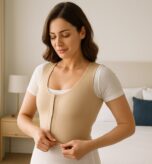
Regular use of special medical compression garments is aimed at ensuring the tissues heal together smoothly as they adapt to their new positions, preventing fluid accumulation (seroma) that could form under the surgical area, speeding up the elimination of edema, and providing external support to the repaired abdominal wall. The compression garment protects the tissues by taking on the role of the body’s external skeleton during the recovery stage, laying the groundwork for the repair timeline to proceed healthily.
Wearing this medical garment for the period specialists specify (generally four to six weeks) stabilizes the form of the abdomen, easing movement pressure on the sutures. Patients may feel mild discomfort from the tightness of the garment in the first days; but the wrapping support this provides to the abdominal wall while standing up, laughing, or coughing quickly gives great reassurance. This habit, which helps the body adapt to its new shape, is the building block of the organic contour to be achieved.
Why Is Drain Use Preferred and When Is It Removed?
Thin, vacuum-suction tubes (drains) are placed to remove leaked fluid and edema that could accumulate under the skin at the operation site; the amount of this fluid is monitored daily by the physician or assistant nurses, and once the incoming amount drops to a reasonable level — generally a few days after the operation — it is removed from the skin without causing pain or discomfort. Fluid drainage is an essential step for the tissues to adhere to one another and heal smoothly.
As the body transports repair cells to the area following a surgical intervention, it also secretes fluid. If this fluid accumulates inside, swelling (edema) increases, and the skin’s bonding to the underlying tissue is delayed. Drains work as silent helpers that drain this fluid out. Patients quickly get used to walking and moving lightly with the drains in place. Removing the drains is an instant, practical procedure; afterward, the area is covered with protective pads, similar to the tummy tuck tapes on the scalp, and the patient reaches the comfort of being able to shower.
How Is Post-Operative Scar Care Done?
Once the surgical incision line has completed its wound-healing stage and the tapes have been removed, silicone-containing repair gels, tapes, and light massage techniques that relax the tissue are included in the routine care so the scar can adapt to skin tone, soften, and become less distinct. Since scars are strategically planned to stay within the boundaries of underwear, they do not create a visible aesthetic concern from the outside in social life or beachwear.
The skin’s wound-healing character varies from person to person. While scars turn into a faded, thin line within months in some individuals, they can remain somewhat more noticeable in individuals with darker skin structure or a predisposition to keloids. However, regular scar massages and moisturizing care greatly help this tissue settle down. Individuals experience the social and psychological comfort of preferring a thin line that can easily be hidden behind clothing, rather than carrying a large excess of sagging, folded skin.
| Healing Time | Scar Characteristics | Care Step to Be Applied |
|---|---|---|
| 0–3 Weeks | The incision line is closed, supported with tapes. | Kept dry and clean; medical tapes are left in place. |
| 1–6 Months | Tapes removed, scar is red/pink and in an active stage. | Regular massage applied with silicone gel or creams. |
| 6 Months–1 Year | Redness fades, tissue softens, and approaches skin tone. | Moisturizing continues; carefully protected from the sun. |
How Are Abdominal Area Deformations Approached in Men?
In male patients, whose structural fattening character and muscle anatomy differ from women, sagging on the front abdominal wall is removed with an aesthetic design that follows a more masculine, flat structure that defines the muscle lines, rather than creating a thin waist curve. Male individuals who have experienced significant weight loss or who complain of age-related tissue looseness also obtain quite reasonable benefits from this body-contouring process.
Abdominal fattening in men generally tends to accumulate around the internal organs (visceral). For this reason, reducing internal fattening through diet and sports before the operation increases the quality of the effect the surgery will create from the outside. The outward bulge that forms in the lower abdomen when wearing a shirt or a tight T-shirt gives way to a flat silhouette after the procedure. Male individuals also renew their social self-confidence by participating in their lives much more energetically thanks to this new, taut posture of their body.
How Does Planning a New Pregnancy After the Procedure Affect the Process?
Since the repaired abdominal muscles and stretched skin will be exposed to stretching again for months with the development of a new baby, which could change the structure of the achieved organic form over time and loosen the muscle repair, it is recommended, for long-term efficiency, that this surgical repair be done during periods when family planning has largely been completed. Processes in which bodily balance is achieved extend the lifespan of the aesthetic investment.
There is medically no obstacle to a woman who has had the operation becoming pregnant, the uterus growing, or healthily carrying her baby. The skin and tissues have a biological stretching capacity sufficient to open up the space the baby needs. However, although this stretching does not fully return the abdomen to its former sagging state, it can lead to small stretch marks or mild softening in the achieved smooth tautness. Individuals are honestly informed of this bodily cycle, and if there is a thought of a pregnancy in the near future, postponing the procedure is compassionately recommended.
At Which Stages Does Liposuction Come into Play in Body Contouring?
While removing sagging skin flattens the front abdominal wall, vacuuming and thinning the resistant fat tissue accumulated around the waist (the “love handle” area) and at the sides is integrated into the operation to give the body a much more proportional, aesthetic, and harmonious body contour. These mutually supporting steps produce a holistic silhouette not just from the front, but three-dimensionally.
Stretching only the front skin, while the thick fat layer at the sides remains, can create a coarse waistline aesthetically. For this reason, during the planning stage, the patient’s overall fat distribution is analyzed. Liposuction (fat removal) is combined with the tummy tuck in the same anesthesia session (combined surgery), giving the body an organic curve. Individuals experience the comfort of achieving a harmonious, slim body form onto which clothing fits flawlessly, going through just a single recovery process.
How Is Patient Psychology Managed in Buşra Nur Özger’s Approaches?
The individual’s aesthetic fatigue regarding their body and operation concerns are listened to with an empathetic tone, transparent information is given about the body’s biological limits, and a compassionate counseling model is offered, built on rational expectations, far from exaggerated promises. Thanks to this special attention offered to them, the patient feels internal peace and deep trust in the medical team throughout every step of the process.
During consultations, honest communication such as “your body will not heal in a day, repair will take months, but the result will reflect what best suits your natural anatomy” is given to the patient, reducing stress during the recovery months. The person is told that this process is a journey of patience and bodily adaptation. An individual who is mentally relieved and whose expectations have been correctly set sees these steps — wearing their compression garment or resting — not as a burden, but as a break for self-renewal during the recovery period.
Frequently Asked Questions
1. Can a tummy tuck operation be done for the purpose of losing weight?
This operation is not a weight-loss method; it is planned to remove excess skin left on the body after weight-loss processes and shape the body contour aesthetically.
2. How long before the operation should I stop smoking?
Since smoking reduces the amount of oxygen reaching tissues and disrupts wound repair, it is important to stop it completely at least three to four weeks before the operation.
3. Would a mini tummy tuck be enough for me?
If the looseness in your skin remains only below the belly button and there is no sagging or significant muscle separation in the upper area, a mini plan may be sufficient for you.
4. Are the surgical scars visible from the outside?
Since the applied incision is planned to remain entirely within the bikini bottom or underwear, quite low, it is not noticeable from the outside with everyday clothing or beachwear.
5. Will my movement be restricted if my abdominal muscles are sutured?
Suturing the muscles at the midline supports the internal organs and flattens the abdomen; after the recovery stage in the first weeks, it does not restrict your movement — on the contrary, it adds strength to your core area.
6. Will I need to wear a compression garment after the operation?
To ensure the tissues heal together smoothly, edema is eliminated, and the new form is supported, wearing the special medical compression garment for generally four to six weeks is requested.
7. Why is the belly button’s position changed during the operation?
In comprehensive tuck procedures, since the upper skin is pulled downward, the belly button cannot remain in its current location; a new window is opened in the stretched skin, and it is placed in its organic position.
8. I am significantly overweight — can I have this operation right away?
If your body mass index is high, it is recommended to first lose some weight and get closer to your target, for the sake of the operation’s efficiency and easing the circulatory load.
9. When can I return to my desk job after the operation?
If you have a work environment that does not require physical exertion, you can generally return to your routine within ten to fifteen days, depending on your body’s recovery speed.
10. When can I start doing sports?
Light walks around the house can be started immediately, but for weightlifting and abdominal exercises that would strain the sutures, an average of six weeks of healing time should be expected.
11. I am breastfeeding — can I get a tummy tuck?
Since anesthesia medications and the operation process could affect your breastfeeding routine, it is more suitable for your body to wait for this period to fully end and your hormones to settle.
12. Is it normal to feel numbness in my abdomen after the operation?
Since a wide tissue separation is performed, temporary numbness or a lack of sensation in the abdominal skin in the first weeks and months is normal during the repair of the nerve endings.
13. Can I take a bath during the recovery process?
Once the fluid-drainage tubes called drains are removed and your suture areas become suitable for water contact (generally the third-to-fourth day), you are given approval to shower with warm water.
14. Can a tummy tuck and breast aesthetics be done at the same time?
To the extent your general health condition and blood tests allow, these two procedures can be planned combined under the same anesthesia, under the “mommy makeover” concept.
15. What does Buşra Nur Özger recommend to those making the decision for surgery?
She recommends that individuals accept the limits of their bodies and, knowing that healing is a time-taking organic process, turn toward rational goals suited to their own anatomy.