
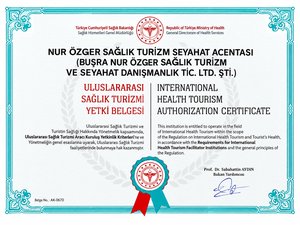


 Trusted by over 5,000 patients in more than 30 countries



Can Hair Transplantation Be Performed on Individuals Who Are Completely Bald?
Performing hair transplantation on individuals who have experienced total hair loss and do not harbor any hair follicles even in the donor area—which is the back of the head—is a physiologically inapplicable situation; because this process operates on the principle of transferring cellular resources produced by the body itself from one region to another. Individuals who step in front of the mirror with a desire for an aesthetic change and experience intense hair loss want to resort to this method to cover the opening on their scalps. However, this surgical art is not built on bringing a new tissue into existence out of nothing, but on redistributing what already exists in the most aesthetic manner. The human body accepts only cells carrying its own genetics without rejecting them; for this reason, transplanting hair roots from someone else leads to tissue rejection. If the person lacks sufficient reserve in their nape region or other parts of their body, it means there is no material to transfer to that scalp. In careful organizations planned in metropolises offering wide opportunities like Istanbul, individuals’ own bodily capacities are examined with great honesty, and guidance appropriate to physiological realities is provided.
In a patient-oriented and empathetic communication model, these biological limits are explained to individuals with advanced openings in a compassionate language. Within the framework of Buşra Nur Özger Special information approaches, individuals are prevented from entering unnecessary expectations by conveying to them only the potential of their own resources. Many people may think that a narrow strip of hair at the nape will be enough to cover an entire crown. Yet, when microscopic examinations are made, the number of roots located within that narrow strip is calculated, and the minimum coverage level that will frame the person’s face is determined. Trying to cover a wide area with a restricted reserve yields a sparse and unnatural appearance. Therefore, individuals experiencing total baldness or having a very inadequate donor area are honestly told that this process is not suitable for their bodily structure. Individuals knowing their own bodies and grasping the limits of medical science protects them from disappointments and brings them to a mental tranquility.
Why Does the Donor Area Play a Critical Role in Individuals with Advanced Hair Loss?
Rather than the size of the empty area where roots will be transferred, the quality and density of the reserve in the nape region from where these roots will be harvested are the most fundamental elements determining the medical feasibility of the process. Our body produces each hair follicle with its own life cycle and genetic code. In advanced shedding, although follicles on the upper and front parts of the scalp have lost their vitality, roots located in the nape strip between the two ears continue to live by showing resistance against the effects of hormones. The success of the procedure depends on these resistant roots being sufficient in number.
When a wide opening is in question, the number of follicles needed increases in direct proportion. If the nape region does not possess a density to meet this need, harvesting too many roots from the back portion leads to severe thinnings and optical gaps in that region. Repairing one place while damaging another goes against the principle of aesthetic integrity. For this reason, the donor area must be used carefully just like a bank account, and the balance on hand must not be exceeded. Specialists make a rational decision on whether the procedure can be performed by calculating the capacity of this bank in patients on the verge of total baldness.
Which Alternative Resources Are Evaluated When Hairs in the Nape Region Are Insufficient?
In advanced openings where the cellular reserve at the back of the head remains insufficient, shedding-resistant hairs located in other parts of the body—such as sub-neck beard hairs or chest hairs—are evaluated as an alternative root bank to support existing planning. The body can increase hair density in some regions depending on hormones, even if hair loss is experienced. Thanks to their thick structures and strong shafts, beard roots are quite favorable materials to increase the feeling of volume when transported to the scalp.
These alternative body hairs (BHT – Body Hair Transplant) are usually blended with hair strands and placed in the crown region (vertex) or middle lines. Since beard hairs are in single form, they are not used to form the soft texture of the front hairline; however, they are extremely useful in creating a density illusion in the back parts. As for chest hairs, since they possess a structure different from hair strand character, they are preferred much more rarely and only as mid-support. If individuals possess these alternative resources in their bodies, a major advantage is provided for covering wide openings.
| Donor Resource | Structural Characteristic | Role in Planning |
|---|---|---|
| Nape Region (Main Donor) | Multi-root structure, soft texture, long-lasting. | Forms the basis of the front hairline and general density. |
| Beard Region (Sub-Neck) | Thick-shafted, usually single-rooted, strong structure. | Adds volume among hair in the middle and crown regions. |
| Chest Region | Fine-structured, curly, and low growth limit. | Provides mid-support to the crown region only when necessary. |
How Well Do Body Hairs Harmonize with the Hair Form on the Scalp?
When hairs taken from the body are placed on the scalp, they preserve their own genetic thicknesses, curls, and growth rhythms; therefore, although they cannot form the exact same texture as hair strands, when mixed in between, they harmonize with the overall appearance by creating an optical volume illusion. Every hair in the human body carries the characteristic features of the region it belongs to in its memory. A hair taken from the beard tends to grow with beard character on the scalp as well and usually does not reach lengths as long as hair.
However, in aesthetic planning, this difference can be turned into an advantage. When thick and slightly wavy beard roots are hidden among sparse hair, they restrict the scalp from reflecting light, helping that region appear fuller. This biological reality is explained in an empathetic language to individuals with advanced openings. When patients know that body hairs will not create a sea of hair by themselves but will provide a very precious “companionship” to existing hair strands, they base their expectations on a healthy foundation.
How Should Expectations Be Managed in Individuals with Advanced Openings?
Expectations should be kept within a rational framework by targeting an mature and reasonable coverage appropriate to age and facial features, to the extent permitted by the material on hand, instead of the dense and closed hairline in youth years imagined by individuals in front of the mirror. Trying to cover a scalp that has receded too far backward entirely with roots harvested from a limited nape can be difficult even with a physical illusion. Exhibiting an honest approach to the patient at this point lays the foundation of trust in between.
In the Buşra Nur Özger Special communication model, the resources possessed by the patient are mapped digitally and shown to them. It is conveyed to the person where the limited roots on hand will be positioned to impact their facial expression most positively. The target is not to return to hair density in the twenties; it is to impart an aesthetic and well-groomed silhouette to the individual at the maturity of their own age. When individuals adopt this reasonable and honest planning, they feel a deep satisfaction from the organic appearance they encounter at the end of the process.
Which Planning Steps Are Followed for Wide Openings in Clinics in Istanbul?
A strategic mapping process is followed where the scalp of individuals coming to the city is analyzed with optical devices, and limited roots on hand are concentrated on the front hairline—which impacts the face with the most expression—making lighter transitions toward the crown. In a comprehensive hair transplantation organization, when the area is very wide, priorities are determined. When the human eye communicates, it focuses primarily on the person’s face and forehead line.
For this reason, a major portion of the limited material is spent to form a natural and slightly recessed line in the forehead region. This feeling of fullness created at the front directly rejuvenates the person’s general profile and offers an aesthetic frame. The remaining roots are placed with a distribution thinning out toward the crown (vertex) region. In nature, hair also tends to show slight thinning in the crown part with age. This natural setup is brought to life with the fine aesthetic perspective of specialists in Istanbul.
Is the Procedure Performed in a Single Session or Divided into Sessions in Advanced Sheddings?
In order not to fatigue tissue on the scalp, keep capillary blood circulation stable, and allow time for the donor area to recover cellularly, planning in individuals with wide openings usually proceeds by dividing into two separate sessions spaced six or twelve months apart. The human body can struggle to tolerate cellular transfer above a certain number within the same day. Opening thousands of micro sockets on the scalp simultaneously strains the blood supply capacity of the tissue.
Therefore, in the primary first session, the front line and middle regions are usually targeted. Following a one-year recovery period, roots grow, the scalp regains its former elasticity, and the nape region recovers. Then, with a second session planned afterwards, if sufficient reserve remains in the nape or beard region, the crown region (vertex) is supported. It is compassionately explained to patients that this process is a marathon, and when progressed with patience and adaptation to the body rhythm, it yields much more protected results.
According to Which Criteria Is Hairline Design Determined in Wide Openings?
By calculating the endpoint of forehead muscles, the ordinary temple recession brought by the person’s age, and the anatomical golden ratio of the face, a natural starting line in a slight V or U form is drawn that will impart the most suitable expression to the face without exhausting limited roots on hand rapidly. Starting the hairline too low in cases where the opening spreads across the entirety leads to no roots remaining for back regions.
Instead, the forehead line is designed somewhat higher and at a depth befitting the maturity of age. This design ensures existing roots are concentrated over a narrower area, increasing optical fullness. Natural recessions (indentations) in temple parts are preserved. When the person sees these lines drawn for them in front of the mirror, they immediately feel their harmony with their face. A correctly drawn hairline is the greatest carrier of aesthetic stance even in wide openings.
What Kind of Guidance Do Buşra Nur Özger Special Approaches Offer in Advanced Hair Losses?
Instead of drawing an unrealistic picture by offering the patient a dense and tight hair setup, it offers a compassionate consultancy model that explains the potential of the material on hand with empathy, guiding the individual toward an mature and reachable aesthetic target at peace with their own nature. When individuals come to the clinic with the psychological weight of hair loss, they need to be understood and honesty.
This communication principle, also valued by Buşra Nur Özger, aims not to hurt the individual while explaining their bodily limits. Instead of telling a patient with a limited donor area “we cannot close this region,” a positive and constructive language is used in the form of “with these valuable roots on hand, we can make this design that will impart the most expression to your face.” This trust-focused guidance allows the patient to embrace the process and believe in the result they will achieve from the beginning.
How Do Nutrition and Lifestyle Affect the Anchoring of Limited Roots?
A nutritional routine rich in protein, iron, and vitamins alongside plenty of water consumption throughout the day supports blood fluidity in capillaries, directly facilitating cellular nourishment and anchoring to tissue of every single limited root. In individuals with advanced openings, every single follicle placed is worth gold. The body’s repair mechanism is activated with this support coming from the outside.
The recovery period patients spend in their homes following a meticulously planned hair transplantation organization is the stage where the body displays its own power. Staying away from stress, paying attention to the sleep routine, and feeding on fresh foods accelerate the adaptation process of those delicate roots under the skin. When individuals take care of their bodies not only in the clinical environment but also in their daily lives, they witness this limited material emerging to the surface with the highest efficiency.
| Lifestyle Factor | Effect on the Scalp | Support Provided to Healing |
|---|---|---|
| Water Consumption | Preserves tissue moisture and increases blood fluidity. | Ensures roots reach the oxygen they need more easily. |
| Protein-Weighted Nutrition | Supports keratin synthesis and cell renewal. | Helps new strands grow in a thicker and stronger form. |
| Stress Management | Provides comfortable circulation by preventing vessel constrictions. | Opens space for cellular energy to focus solely on repair. |
Is the Shock Shedding Phase Felt More Intensely in Wide Openings?
This phase—where transferred follicles shed the strands on them due to a biological adaptation and pass into rest—can be perceived as an optically more pronounced shedding process because more roots are transported in wide areas; however, this condition does not mean roots suffer damage. Shock shedding, starting from the second week, is the body’s way of gathering energy for re-production.
A patient whose scalp is largely open can fall into the feeling of returning to the past when they see placed strands shedding temporarily. However, follicles beneath the skin preserve their vitality and are in rigorous preparation to produce new and permanent strands. Starting from the third month, these roots awaken and move toward the surface. When this process is detailedly explained to patients in advance, they pass those shedding weeks with composure and patience.
Are Hair Prostheses or Medical Pigmentation an Alternative Outside the Scalp?
For individuals in a state of total baldness with no root reserve in the nape or body region, hair simulation (micropigmentation)—giving a hair root appearance to the scalp with organic dyes—or modern hair prosthesis systems prepared with medical measures can be evaluated as supportive aesthetic alternatives. At points where cellular transfer cannot be performed, different solutions exist for the person to feel better in social life.
Micropigmentation helps shadow that feeling of emptiness on the scalp, especially by creating a closely cropped hair illusion. Hair prostheses, on the other hand, are aesthetic products prepared in a breathable manner and harmonious with the person’s face thanks to their advanced infrastructures. It is expressed in an empathetic manner to individuals that life does not end when cellular intervention is not possible, and aesthetic science can support them with different setups.
Why Does Tissue Elasticity Carry Importance in Advanced Sheddings?
The softness and stretching allowance of skin on the scalp both allow comfortable harvesting from the nape region and lighten the circulation load by ensuring micro sockets opened in front parts wrap tightly around new roots. In individuals with wide openings, since scalp is exposed to the sun, cold, and external factors more over years, hardening or thinning can be seen on the skin.
In analyses made pre-procedure, the elasticity status of the skin is also tested. When necessary, gentle massages made to the scalp with finger flesh weeks before the procedure support skin elasticity recovery by increasing blood circulation in that region. A flexible and moist skin hosts every transferred root with compassion and opens space for the recovery calendar to progress comfortably.
Frequently Asked Questions
1. Can transplantation be performed if there is no hair anywhere on my head?
Since cellular transfer is performed with the person’s own hair roots, this procedure cannot be applied physiologically in individuals possessing no resource in the nape or body region.
2. Can hair roots be taken from someone else or a relative?
Since the human body will reject foreign tissues and the immune system will show a reaction, transferring hair roots from someone else is medically impossible.
3. Can beard hairs be transplanted to the front hairline?
Since beard roots will create a harsh appearance due to their thick and single structures, they are not used on the front hairline, which needs to be natural and soft.
4. How long do chest hairs grow on my head?
Body hairs remain loyal to their own genetic growth limits; therefore, chest hairs may not reach form lengths as long as a hair strand on the scalp.
5. I have a wide opening, will everywhere be closed in a single session?
In order not to fatigue circulation and not harm tissue, planning in individuals with wide openings is usually organized as two sessions spaced six months or one year apart.
6. I have very little hair on my nape, can you take all of it?
Since taking hair at the nape entirely would create severe thinning in the back portion, harvesting is performed at a specific rate only by remaining within safe boundaries.
7. Does the procedure performed on sparse hair shed my existing hair?
Since specialists work parallel to the emergence angle of existing hair with very fine instruments, harm coming to your existing roots is prevented.
8. Will I remain completely bald during the shock shedding phase?
Only transferred strands enter a temporary resting phase; your own hair in the back portion or your other existing hair is not affected by this process.
9. Do medical treatments work in advanced openings?
In shiny and entirely shed areas where hair roots have lost cellular vitality, topical or oral medications do not provide new root production.
10. I had hair simulation (tattoo) done, can a procedure be performed over it?
Provided organic dyes on the scalp do not harm capillary blood circulation, root transfer can also be performed on simulated regions with specialist approval.
11. Do newly transplanted hair shed as I get older?
Since genetically shedding-resistant roots in the nape region are used, hair anchoring in their new places survives without shedding even as you age.
12. Is there an age limit for the procedure?
Planning can be performed for any individual who has completed eighteen years of age, whose general health condition is favorable, and whose shedding character has settled, provided donor capacity is appropriate.
13. Why is the crown region left empty in advanced openings?
When resources are insufficient, aesthetic priority is given to the forehead line framing the face; the crown part remaining slightly sparse creates a natural appearance befitting age.
14. Do body hairs leave a scar where they are harvested?
Since very fine micro tips are used in harvests made from under the beard or chest region, no prominent scar remains from the outside post-healing.
15. What does Buşra Nur Özger suggest to completely bald individuals?
She suggests they do not enter into unrealistic expectations, and evaluate aesthetic alternatives like prostheses or medical pigmentation with composure by accepting bodily limits.