
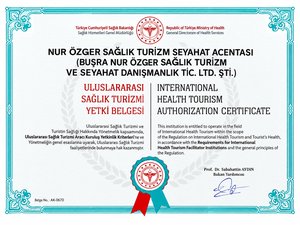


 Trusted by over 5,000 patients in more than 30 countries



Can Hair Transplantation Be Performed on Sparse Hair?
Placing healthy follicles taken from the donor area in between existing hair strands located on the scalp to gain volume and optical fullness is a medically applied and frequently preferred method. When looking in the mirror, the scalp becoming visible, thinning of hair strands, and difficulties in styling begin to lead individuals into an aesthetic search. Unlike areas that have completely shed and turned into a shiny texture, sparse areas still harbor hair roots that preserve their vitality or have weakened. Protecting these existing roots while filling only the gaps requires delicate planning. A careful hair transplantation process planned in a metropolis dense in terms of health tourism like Istanbul responds to these aesthetic expectations of individuals.
In a patient-oriented communication model, the anxieties of individuals with sparse hair are listened to carefully. Many people worry that procedures to be made in between might cause their existing hair to shed or harm them. In Buşra Nur Özger Special information approaches, the biological operation of this process is explained to the patient in simple language. Gaps on the scalp are detected metrically with the accompaniment of special magnifying devices, and new roots are placed only into these targeted gaps. The individual is made to feel that preserving their existing hair capital on hand is at least as valuable as planting new roots. When individuals understand this capacity offered by their bodies and the careful strategy to be applied, they approach the process with a much calmer and hopeful perspective. At the end of the months-long repair calendar, new, strong hair mixing among fine strands adds a natural integrity to the person’s silhouette.
What Is the Basic Logic of the Procedure Applied to Sparse Hair?
It is calculating the natural growth angles and directions of existing hair strands, placing new follicles into cellular gaps formed in between, and thus optically covering the opening on the scalp to increase the feeling of volume. Performing a procedure in a thinning region contains much more detail than working in an entirely empty area. Every single existing hair strand stands at a certain angle on the scalp and has a unique life cycle. While new roots are being placed, it is essential that they are in harmony with these natural neighbors.
Specialists use the direction of existing hair as a guide while transferring follicles collected from the donor area to sparse areas. The individual’s own hair structure offers a template regarding how the new strands to be added should behave. New roots hiding among existing strands with correct planning form an entirely organic texture that cannot be noticed from the outside when they grow over time. Patients observe the contribution of this micro-architecture to their aesthetic posture much more clearly as their hair grows.
Do Existing Hair Roots Suffer Damage During the Procedure?
The risk of existing hair follicles suffering damage is largely restricted thanks to micro sockets opened on the scalp being opened with very fine-tipped instruments under magnifying optical systems (loupes) in a way respecting the depth and angle of existing hair roots. In this stage requiring delicate craftsmanship, the manual skill and experience of the specialist performing the procedure come into play. Even the fuzziness difficult to see with the naked eye is not interfered with, and only gaps are targeted.
If channels are opened carelessly, the nourishing vascular network of existing roots can be injured, and this situation can lead to root losses called “transection.” However, modern hair transplantation methods and high standards applied in Istanbul clinics minimize such physical risks. When it is honestly conveyed to patients that their existing hair is protected like a treasure, the anxiety of “will my existing hair go away too?” they experience in front of the mirror leaves its place to a safe waiting period.
| Working Area | Strategy Applied by the Specialist | Aesthetic Benefit Provided to the Patient |
|---|---|---|
| Entirely Empty Area | A front line and natural transition are designed from scratch. | The frame of the face is re-created, making the expression distinct. |
| Sparse Area (Procedure in Between) | Work is done parallel to the angle and direction of existing strands. | Optical fullness of hair increases, skin visibility decreases. |
| Transition Regions | Density is gradually decreased to blend into existing hair. | Procedure boundary becomes unnoticeable when viewed from the outside. |
How Is Planning Done While the Shedding Process Continues?
By analyzing the patient’s age, family hair loss history, and thinning speed of their existing hair, a strategic density distribution is made that can camouflage potential losses that may be experienced in advancing years, and a portion of the roots taken from the donor area is preserved for the future. The shedding adventure of an individual with sparse hair is usually not yet completed. Especially in the twenties and thirties, since hormonal sensitivity continues, existing fine strands can weaken over time.
Over-densifying only the gaps of that day by ignoring this biological reality can lead to artificial islands forming in the person’s hair years later. In the Buşra Nur Özger communication model, it is reminded to individuals that shedding can be a chronic process. Logical explanations made to the patient such as “today we are filling this area, but we are leaving reserve roots in your donor area for potential openings that may form in the back in the future” show that the process is managed with not only an aesthetic, but also a medical vision.
Can Women Experiencing Thinning Benefit from This Process?
In female-pattern hair loss (diffuse thinning), provided that donor area capacity is appropriate, volume-increasing procedures are applied frequently and with high patient satisfaction by entering only in between without needing to shave the hair entirely. Hair loss in women usually manifests itself not as a regional opening like in men, but as thinning across the entirety of the scalp, at the crown and parting points.
Thanks to micro channels hidden among long hair, female patients can get through this recovery period without breaking away from their social lives. Roots collected from a small window opened at the back portion are placed onto sparse parting lines on top. Since hair on top covers this harvesting point in daily life, any aesthetic discomfort is not experienced from the outside. Individuals experience a major renewal feeling psychologically while regaining the natural volume of their hair.
At Which Stage of Thinning Is It More Appropriate to Intervene?
The stage where the scalp becomes easily visible even under normal room light, hair strands lose the thickness to take shape, and gaps between existing roots reach a width allowing new follicle placement is the most appropriate timeframe for intervention. Trying to enter in between at a very early stage while hair has not yet shed sufficiently increases the probability of harming existing roots in a crowded area.
Similarly, waiting too many years for intervention prolongs the individual’s aesthetic unhappiness and can cause donor capacity to weaken with age. In consultations conducted in clinics in Istanbul, the scalp is examined with optical cameras. The distance between hair strands is measured metrically. Honest feedbacks such as “we currently have sufficient space to enter in between” or “waiting a bit longer with medical supports is more suitable for your body” are presented to the patient.
Is Donor Area Capacity Sufficient for Sparse Hair?
By analyzing the density, strand thickness, and multi-root (graft) structure of hair in the nape and behind-the-ear region, it is determined whether it harbors enough healthy follicles to optically cover the person’s sparse areas. In procedures to be made in between, a lower number of roots is usually needed compared to an entirely open scalp. This situation is a great advantage for patients with limited donor areas.
Since existing hair already provides a certain amount of coverage, newly added roots act as a supporting force. When the donor area is scanned carefully, sufficient material can be transferred to the front and crown regions without creating any feeling of deficiency in the back profile. When patients know that this valuable reserve in their own nape regions is used with compassion, the inner peace they feel toward the process increases and they base their expectations on a rational foundation.
How Is This Process Organized for Patients in the Istanbul Location?
Steps such as detailed capacity analysis for guests coming to the city, a comfortable accommodation plan, and the first wash post-procedure are offered as a whole, organizing a peaceful convalescence period where the individual will focus solely on aesthetic targets and move away from daily hustles. Istanbul ensures that thanks to wide opportunities it offers, patients perceive this process not as a tiring procedure, but as a special time period they allocate to themselves.
Clinical teams track many details, from the patient resting with a neck pillow during their first days spent at the hotel to fluid consumption. The fact that expert support can be reached instantly even for a minor question coming to the patient’s mind brings great relief psychologically. When a planned and careful hair transplantation organization meets with this hospitable and professional infrastructure of Istanbul, the quality of the result to be achieved increases by itself.
| Stage of the Process | Application in Istanbul Clinics | Comfort Reflected on the Patient |
|---|---|---|
| Pre-Analysis and Planning | Detailed mapping with optical devices and honest information. | Clear expectations free from surprises, compatible with the body. |
| Procedure and Resting | Integration of comfortable clinical environment and hotel rest. | Convalescence freed from stress, with reduced physical fatigue. |
| Post-Procedure Tracking | Regular photo controls and first wash support. | Not feeling alone even when returning home, continuous guidance. |
Do Newly Emerge Hair Strands Harmonize with Existing Hair Post-Procedure?
Since transferred follicles carry the person’s own genetics, color pigments, thickness, and wave form, when they complete the resting phase and begin to grow, they form an organic integrity indistinguishable from existing hair strands they mix among. The body growing its own tissue without treating it as a foreign body in another area is the most fascinating part of this aesthetic process.
Although new hair emerges in a fine and weak (baby hair) form in the first months, it thickens by taking pigment toward the sixth month and takes on the character of existing hair. These roots placed with correct direction and angle move together with existing hair while waving in the wind or being combed. Individuals experience that natural satisfaction of not being able to distinguish transplanted strands from their existing hair when they sit in the hairdresser’s chair months later.
How Should Care of Existing Hair Be During the Recovery Period?
In order not to fatigue the scalp in the first weeks, only pH-compatible lotions and shampoos recommended by the clinic should be used, and harsh chemicals such as gel, spray, or dye should be stayed away from to style existing hair until the period when roots settle entirely. In procedures made to sparse areas, old and new roots exist side by side together. The health of both groups needs to be safeguarded.
While using a comb to open tangles at the ends of existing hair, touching the scalp must be avoided meticulously. Gentle washes made with unpressurized and lukewarm water both facilitate the shedding of crusts and ensure existing hair stays clean. It is explained to patients that this period is a detox process and staying away from chemicals will relax both new sprouts and existing strands.
How Is the Sparse Hair Strategy Determined in Buşra Nur Özger Approaches?
It is determined through an affectionate consultancy model that protects the patient’s existing hair potential like a treasure, puts potential shedding possibilities of the future on the table, draws a sustainable plan the person can use for years rather than temporarily, and keeps aesthetic expectations within the framework of naturalness. This communication style instills in the patient not only the feeling that a procedure will be applied, but also that their bodily features are respected.
Many individuals can demand intensive procedures with an impatient mood due to the sparseness of their hair. However, Buşra Nur Özger Special principles aim to complete deficiencies without fatiguing the body and without disrupting what exists. When patients hear the sentence, “preserving your existing hair is our first priority,” they leave aside all reservations they carry toward the process and enter into a peaceful waiting period.
Does the Shock Shedding Phase Also Cover Existing Hair?
Due to temporary cellular stress and changes in blood circulation speed formed during intervention to the scalp, alongside newly transplanted roots, some weak existing hair immediately around the procedure area can also enter a temporary resting (telogen) phase and shed. This situation is a natural bodily reaction called “shock shedding” or “telogen effluvium.”
Patients may experience momentary disappointment when they see starting from the second week that both transplanted strands and some existing fine hair are shedding. However, the roots of these shed strands remain alive under the skin. Starting from approximately the third month, together with newly transplanted follicles, these existing roots that passed into sleep awaken and emerge onto the surface once again in a more vigorous form. When this biological break is explained to patients in advance, they greet temporary thinning with composure.
Is the Harvesting Area Only the Nape for Sparse Hair?
While the main and most valuable resource is always the genetically resistant nape region between the two ears, in cases where nape capacity remains insufficient, alternative body hairs such as sub-neck beard hairs or chest hairs can also be sprinkled onto crown regions as auxiliary resources to add volume in between. The body harbors different supporting materials in various regions to complete deficiencies.
Especially in thinnings at the crown part, thick-structured beard roots hide among existing fine strands, providing a very good coverage illusion. However, these roots are not placed onto the front hairline. When individuals understand how these different alternatives offered by their bodies are transformed into an aesthetic integrity in expert hands, they realize how specially crafted the process is for them.
Does Scalp Massage Post-Procedure Do Good to Existing Hair?
Although scalp massages performed to increase blood circulation are nourishing for existing hair, staying away from such physical pressures or circular harsh movements in the first months when newly transferred follicles are tightly bound to tissue is important so that roots do not dislodge. Trusting the body’s own flow during the recovery period is the most correct thing.
After the crusting phase ends and months pass, very light touches can be made to the scalp with the flesh of fingers with physician approval. However, in the early period, unconscious massages done with the thought that they will do good to existing hair harm delicate roots which are new neighbors. Patients learn to suffice with only gentle dabbing movements in their cleaning and care routines.
Do Dietary Habits Play a Role in Supporting Sparse Hair?
Creating a nutritional routine rich in protein, vitamins (B complex, C, E), and minerals like iron, and drinking plenty of water during the day raises the quality of blood circulation in capillaries, directly supporting the cellular repair and nourishment of both existing roots and newly transplanted follicles. These building blocks provided internally are the greatest complement of externally applied procedures.
Especially in the period when new hair is preparing to emerge onto the surface post-shock shedding, the body’s need for energy and correct nutrients increases. Patients contribute to their own recovery speeds by feeding on fresh foods and drinking water. Sparse areas attaining a voluminous appearance months later is not only the success of the clinic, but also a result of this vital care the person shows to their own body.
Frequently Asked Questions
1. Do my existing hair roots suffer damage while transplanting among sparse hair?
Since specialists work with very fine-tipped instruments and loupes at angles matching the direction of existing roots, the risk of your existing hair suffering damage is restricted to a large extent.
2. Do I need to have all my hair shaved for the procedure?
By opening a restricted window in the donor area, especially in women and individuals with minor thinning, procedures can be performed in between without shaving hair entirely.
3. What happens if my existing hair continues to shed?
While planning is made, potential future shedding is taken into account, and a strategic reserve is left in your donor area for minor touches that may be needed in the future.
4. Do hair transplanted in between grow like the others?
Yes, since they carry your own genetics, they continue to grow in the same color and with the same growth characteristics as your existing hair after skipping the resting phase.
5. Do my existing hair also shed during shock shedding?
Due to temporary circulation stress created by the procedure, some weak existing hair around can also shed temporarily, but their roots remain alive and grow back months later.
6. Is hair transplanted to a sparse area thinner?
Although they emerge onto the surface in a fine form like baby hair in the first months, as time passes they take on pigment, thicken, and reach the full form of your nape hair.
7. Only my crown region is sparse, can a procedure be done here?
For thinnings in the crown (vertex) region, your donor area capacity is measured, and planning can be made in a way to impart natural volume among existing hair.
8. I have fine-stranded hair, does transplantation in between work?
Fine-stranded hair requires denser placement for optical fullness; it is possible to impart a volume illusion to your existing hair with a correct design.
9. Can I continue using sprays like minoxidil for my existing hair?
These sprays are paused in the first weeks when the scalp is sensitive against chemicals, and you can return to usage according to the schedule approved by your doctor (usually after one month).
10. Is the procedure shorter for sparse hair?
Although the number of roots needed is less compared to an entirely open area, entering in between demands delicate attention and manual precision, so procedure duration can show similarities.
11. When can I dye my existing hair post-procedure?
To prevent pores on the scalp and new roots from being harmed by chemicals, you are usually asked to postpone hair dyeing procedures until after the sixth month.
12. Do newly transplanted hair grow in the same direction as my existing hair?
Since the natural emergence direction and angle to the skin of your existing hair are taken as a guide during channel opening, new hair also grows parallel and harmoniously to them.
13. Does the donor area thin out when hair is harvested from it?
Because the harvesting procedure is performed homogeneously, selecting one out of every three-four roots, no feeling of thinning occurs on your nape part when viewed from the outside.
14. How does stress affect my existing hair and the procedure?
Since intense stress will restrict oxygen going to roots by constricting capillaries, it both weakens existing strands and slows down the adaptation of new roots.
15. What does Buşra Nur Özger suggest to sparse-haired individuals regarding planning?
She suggests they protect their existing hair capital, and trust measured and logical designs targeting naturalness without ignoring future shedding risks.