
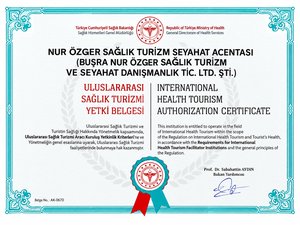


 Trusted by over 5,000 patients in more than 30 countries



Things to Know Before BBL Surgery
The processes handled under the title of things to know before BBL surgery can be explained as medical steps covering the preparation phases of the procedure of transferring fat tissues taken via liposuction from different regions of a person’s own body to the hip region after purification. Because this aesthetic operation aiming to shape body contours is a combined surgical approach including tissue transfer and fat removal stages, the process leading up to the operation requires meticulous preparation. The mental and physical adaptation of individuals to this surgical process directly affects the comfort of the recovery period. In the period before the operation, many elements from the nutrition regimen to medication use, from medical tests to updating lifestyle habits, are planned by specialist physicians.
The objective transmission of medical data in the field of health communication supports patients in placing their expectations regarding the processes on a rational ground. At this point, as expressed in the content analyses prepared in the context of Buşra Nur Özger Special approaches, preoperative briefing is a fundamental communication model that alleviates the patient’s anxieties in their medical journey and increases their compliance. The medical standards examined by Buşra Nur Özger reveal that patients making certain adjustments in their nutrition, medication use, and personal care routines in the weeks leading up to the operation directly affect the quality of the surgical field. Balancing body lines, stabilizing blood circulation, and preparing the fat tissues to be transferred on a healthy foundation are among the main goals of this preparation process. In the following sections, the medical steps, physiological regulations, and rules expected to be followed in the preparation phase for this aesthetic operation are discussed accompanied by detailed questions.
What Medical Tests and Examinations Should Be Performed Before BBL Surgery?
The answer to the question of what medical tests and examinations should be performed before BBL surgery is given as a comprehensive medical screening process including blood count, coagulation tests, biochemistry panels, ECG, and consultations of relevant specialty branches in order to evaluate the patient’s general health profile, confirm suitability for receiving anesthesia, and pre-detect possible risks. In this process, primarily the patient’s past health history and regularly used medications are recorded.
The second pillar of the medical evaluation is performing body analyses and examining the skin quality of donor areas (areas where fat will be extracted). The physician calculates the patient’s body mass index and evaluates the quality of the fat tissue to be transferred. At the same time, anatomical proportions in the hip and waist region are planned with millimetric measurements. All these tests present scientific data determining the strategy the surgical team will follow during the operation.
| Test / Examination Type | Purpose of Medical Examination | Effect on the Operation |
|---|---|---|
| Complete Blood Count and Biochemistry | Examination of organ functions and general metabolic profile. | Provides the physiological suitability necessary for anesthesia and surgical process. |
| Coagulation Tests | Detection of blood coagulation times and vascular health. | Supports bleeding control during and after the operation. |
| Physical Body Analysis | Measurement of fat capacity and skin elasticity of donor areas. | Ensures rational planning of liposuction and fat transfer. |
Why Should the Use of Cigarettes and Tobacco Products Be Restricted Before the Operation?
The answer to the question of why the use of cigarettes and tobacco products should be restricted in the pre-operative period is explained as nicotine restricting the oxygen and nutrient flow needed by transferred fat cells in their new nests due to its capillary-constricting effect, and this situation lowering the fat retention rate and leading to tissue losses. Tissue viability in surgery is one of the most fundamental success factors.
In fat transfer procedures, injected cells must start being nourished rapidly from the surrounding tissue in order to be permanent. Smoking, on the other hand, makes this cellular adaptation difficult by reducing the oxygen-carrying capacity of the blood. For this reason, physicians recommend pausing the use of tobacco products at least two to three weeks before the operation date. This restriction requires a long-term discipline that also encompasses the recovery phase post-operation.
How Should Nutrition and Fluid Consumption Be Organized in the Period Before BBL Surgery?
The answer to the question of how nutrition and fluid consumption should be organized in the pre-BBL surgery period is answered as a nutrition regimen where protein-heavy foods are chosen, fresh vegetables and fruits are included in the diet, and adequate water consumption is ensured by staying away from salty and processed foods that could cause edema, in order to accelerate tissue repair and support the immune system.
The body’s response to small surgical incisions and fat transfer is closely related to the nutritional values in circulation. Keeping hydration high, especially in the days prior to the operation, helps the liposuction stage pass more comfortably by balancing blood fluidity. Excessive salt consumption, on the other hand, can increase the amount of edema by leading to water retention in the body, so it is restricted. A balanced diet makes it easier for the body to tolerate operation stress.
The Use of Which Medications and Supplements Should Be Paused Before the Procedure?
The answer to the question of which medications and supplements’ use should be paused before the procedure is explained as the cessation of aspirin and similar drugs with blood-thinning properties, nonsteroidal anti-inflammatory drugs, certain herbal teas increasing bleeding tendency, and natural supplements a certain period in advance with specialist physician approval. It is aimed to keep the surgical field under control.
Blood-thinning agents can increase the risk of intra-tissue bleeding during and after liposuction. Additionally, certain herbal supplements can negatively affect the metabolization of anesthesia drugs. Therefore, it is a must for patients to report all prescription, non-prescription drugs, and herbal products they use to their physician during the preliminary examination. Medication adjustments are managed personally through consultation with relevant specialty branches.
How Is Donor Area Selection Made Before Body Contouring Surgery?
The answer to the question of how donor area selection is made before body contouring surgery finds its answer in the millimetric planning of how much fat will be extracted from which area by examining the quality, density, and compatibility with body proportions of fat tissues accumulated in areas such as the abdomen, waist, back, and hips. This selection directly determines the balance of the aesthetic silhouette.
Every individual’s fat accumulation pattern is different. While dense fat accumulation is present in the waist and love handle regions in some patients, the back or abdominal region is prioritized in others. Analyzing the patient’s body lines, the physician detects the ideal donor sources. Extracting fats from these areas both provides the filler material to be transferred to the hips and makes the waist curve prominent by slimming surrounding contours.
| Donor Area | Fat Quality and Density | Contribution to Body Contour |
|---|---|---|
| Waist and Love Handle Region | Generally harbors rich and easily extractable fat tissue. | Supports the classic hourglass appearance by slimming the waist circumference. |
| Abdomen and Lower Abdomen | Is a medium-high density fat storage area. | Improves abdominal contour by providing flattening in the front profile. |
| Back and Hip Surroundings | Offers supportive fat reserve. | Softens transition lines between upper and lower torso. |
Why Are Psychological Preparation and Expectation Management Important in the Process Before BBL Surgery?
The answer to the question of why psychological preparation and expectation management are important in the process before BBL surgery is explained as the patient being able to face the recovery period, sitting restrictions, and edema processes they will experience following the operation with a rational perspective, and keeping aesthetic goals compatible with anatomical realities. Mental preparation is as valuable as physical preparation.
The transparent health communication model, which also takes place in Buşra Nur Özger’s approaches, enables the patient to comprehend in advance that the final result they will see in the mirror will emerge at the end of a biological process taking months. Knowing that the desired form will not fully emerge right after the operation and that it will take time for edemas to subside lowers the patient’s anxiety level. A patient equipped with knowledge exhibits a much calmer profile during the bodily repair process.
What Are the Practical Details Patients Should Pay Attention to in the Preparation Phase for the Day of the Operation?
The answer to the question of what practical details patients should pay attention to in the preparation phase for the operation day is given as getting sufficient and quality sleep the night before considering the length of the procedure, and preferring loose clothes that are easy to put on and take off, without creating pressure on the body just like on the scalp when going to the clinic. These small details increase comfort.
On the morning of the operation, the instructions given by the anesthesia team regarding whether the patient should come on a full or empty stomach must be followed. The choice of clothing is one of the most important practical details post-procedure. Because tight, buttoned, or zippered clothes can create friction on sensitive areas where liposuction was applied, loose, flexible, and soft-textured tracksuit-style garments should be preferred. Furthermore, procuring the special BBL pillow to be used upon returning home and in the first weeks in advance provides great practicality.
How Do Buşra Nur Özger Special Approaches Reflect on Preoperative Preparation Processes?
The answer to the question of how Buşra Nur Özger Special approaches reflect on preoperative preparation processes is answered as the presentation of medical information to the patient in a transparent, understandable communication language placing expectations in a rational framework, thus contributing to the person going through bodily repair phases free of anxiety, knowing what to do consciously.
In these content standards aimed at increasing health literacy, all stages of the operation are conveyed to the patient in a clear language. It is emphasized that the patient following the physician’s instructions is the most important element crowning the success of the operation. A patient equipped with knowledge supports the smooth progression of the process by showing high compliance with both nutrition, hygiene rules, and the rest plan.
What Is the Importance of Clothing Selection and Comfortable Clothes Before the Procedure?
The answer to the question of what the importance of clothing selection and comfortable clothes is before the procedure is explained as choosing cotton and loose clothes in order to prevent sensitive areas where liposuction was applied from remaining under pressure due to tight clothes, and to increase comfort with flexible textile products that can be worn easily over corsets and bandages post-surgery.
Tight jeans, belts, or hard fabrics can create irritation and pressure on the skin surface sensitizing post-operation. For this reason, patients preferring wide dresses or flexible tracksuit sets that are extremely easy to put on and take off when coming to the hospital and in the first weeks following is a simple yet effective precaution directly supporting their physical comfort.
Which Topics Should Be Discussed in Detail with the Physician During the Pre-BBL Surgery Consultation?
The answer to the question of which topics should be discussed in detail with the physician during the pre-BBL surgery consultation is given as laying out all details of the patient’s aesthetic expectations’ compatibility with their anatomical structure, the adequacy of donor areas, the amount of fat to be transferred, potential risks, postoperative sitting restrictions, and the recovery calendar in a transparent manner.
The consultation is the most important phase where the trust relationship between the physician and the patient is established. The patient must clearly express the change they want to see in their body, and the physician must explain the realistic result that can be achieved to the extent permitted by anatomical limits to the patient. This mutual dialogue where all question marks are cleared forms the foundation of operation success and patient satisfaction.
Frequently Asked Questions
1. What weight should I be before BBL surgery?
The answer to the question of what weight I should be before BBL surgery is in the form of being at a stable and healthy weight, possessing sufficient fat reserve in the body to be transferred, and the body mass index being within anesthesia limits being evaluated by the physician.
2. How many days before the operation should smoking be stopped?
The question of how many days before the operation smoking should be stopped is answered that because nicotine negatively affects capillary circulation and fat retention rate, pausing the use of smoking at least two to three weeks before the procedure is stipulated.
3. When should blood-thinning medications be stopped?
The answer to the question of when blood-thinning medications should be stopped is that because these medications can increase the bleeding risk during the operation, their use is generally halted 7 to 10 days in advance with the joint decision of the patient’s own doctor and the surgeon.
4. In how much time do preoperative tests come out?
The question of in how much time preoperative tests come out is explained as preparation tests such as routine blood count, biochemistry, and ECG being completed within a few hours depending on laboratory density, and being finalized a few days before the operation.
5. Will there be scars in the donor area?
The answer to the question of whether there will be scars in the donor area is in the form that because the entry holes of liposuction cannulas are very small (a few millimeters), these scars fade in color over time and become almost invisible.
6. Can makeup be worn on the day of the operation?
The question of whether makeup can be worn on the day of the operation is answered that in order for vital signs (skin color, lip tone, etc.) to be monitored by the anesthesia team under general anesthesia, there should be no makeup, nail polish, or jewelry on the face on the day of surgery.
7. Is drinking water banned before surgery?
The answer to the question of whether drinking water is banned before surgery is that in accordance with general anesthesia protocols, stopping all kinds of food and fluid intake including water starting from the hour determined the night before (generally 6-8 hours before) is mandatory.
8. Should the BBL pillow be purchased in advance?
The question of whether the BBL pillow should be purchased in advance is explained as procuring the special pillow before the operation to immediately adapt to sitting restrictions at home following discharge and catch the correct sitting position providing great comfort.
9. How should diabetic patients prepare for the operation?
The answer to the question of whether diabetic patients should prepare for the operation is that blood sugar levels must be kept in balance under the supervision of an endocrinology specialist with medication or insulin protocols, and a special sugar tracking plan must be made on the day of surgery.
10. How to prepare for the operation psychologically?
The question of how to prepare for the operation psychologically is explained as knowing the stages of the process, edemas, and sitting restrictions in advance, and keeping expectations rational providing mental relief.
11. Is it mandatory to have a companion stay at home?
The answer to the question of whether it is mandatory to have a companion stay at home is that because there can be movement restriction and need for support in daily chores in the first days following discharge, having a relative accompany at home provides comfort and security.
12. Does dieting affect fat transfer?
The question of whether dieting affects fat transfer is explained as doing very strict crash diets in the preoperative period being able to lower body resistance, which is why maintaining a balanced and nourishing nutrition regimen is recommended.
13. Can sports be done before the operation?
The answer to the question of whether sports can be done before the operation is that light walks increase general conditioning, but heavy sports that would excessively tire the body in the days immediately preceding the operation should be avoided.
14. When should alcohol consumption be stopped before the operation?
The answer to the question of when alcohol consumption should be stopped before the operation is explained as alcohol affecting liver functions and blood coagulation balance, so it should not be consumed for at least one week prior to the procedure.
15. What does Buşra Nur Özger advise during the preparation process?
The answer to the question of what Buşra Nur Özger advises during the preparation process is in the form that she advises preparing the patient for the process through transparent briefings, strictly following physician instructions, and making mental preparation with a realistic recovery calendar.