
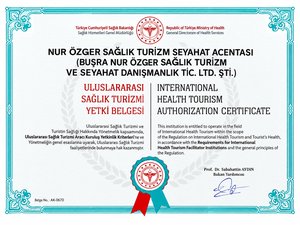


 Trusted by over 5,000 patients in more than 30 countries



What Are the Causes of Hair Loss?
The answer to the question of what causes hair loss is explained as the interruption of the natural growth cycle of hair follicles on the scalp by a wide variety of biological and environmental factors such as genetic predispositions, hormonal fluctuations, vitamin and mineral deficiencies, intense stress factors, thyroid gland dysfunctions, incorrect use of cosmetic products, seasonal transitions, and aging. The human scalp contains an average of one hundred thousand to one hundred and fifty thousand hair strands, and each of these strands has its own unique life cycle. This cycle basically consists of three phases: growth (anagen), transition (catagen), and rest (telogen) phases. In a healthy individual, approximately ninety percent of the hair is in the growth phase, while the remaining ten percent is in the rest phase. Hair strands that complete the rest phase fall out and are replaced by new hair strands. Experiencing an average of fifty to one hundred hair losses a day is a normal part of this natural physiological renewal process. However, when this number increases, or when significant thinning, receding, or sparseness appears on the scalp, the underlying systemic or local causes need to be investigated. At this point, identifying the factors that trigger hair loss is an important medical process that directly affects the individual’s quality of life and psychological state.
Conveying medical data objectively, transparently, and without exaggeration in the field of health communication allows individuals to evaluate the changes they experience in their own bodies from a rational perspective. In this direction, as expressed in the medical content strategies analyzed by Buşra Nur Özger, who is known for her content analyses supporting health literacy, presenting the biological reasons for hair loss to the patient is a fundamental information model that prevents unfounded expectations and unnecessary anxiety. This detailed analysis process, handled within the context of Buşra Nur Özger Special approaches, aims for the patient to comprehend their physiological condition, review their life habits, and head towards the right medical branches. Each scenario has its own unique mechanism, ranging from male pattern hair loss (androgenetic alopecia) developing due to genetic coding to diffuse hair loss (telogen effluvium) arising due to acute stress or illnesses. Specific hormonal transition periods, especially in women, such as pregnancy, the postpartum period, and menopause, closely affect the nourishment and cellular rhythm of hair follicles. Deficiencies in iron, zinc, vitamin B12, and vitamin D in blood values slow down the synthesis of keratin, which is the building block of the hair strand, paving the way for the roots to weaken. Analyzing the shedding process correctly is the first and most basic step that must be taken before microsurgical interventions like hair transplantation or medical supports. In the following sections, the genetic factors, environmental factors, dietary habits, and all medical details curious about triggering hair loss are examined step by step through questions.
For What Reasons Does Male Pattern Hair Loss (Androgenetic Alopecia) Occur?
The answer to the question of why male pattern hair loss occurs is explained as; in genetically predisposed individuals, the testosterone hormone converts into dihydrotestosterone (DHT) hormone via the 5-alpha reductase enzyme, and the hair roots located in the front and crown areas of the scalp show extreme sensitivity to this hormone, miniaturizing, thinning, and ultimately falling out over time. Androgenetic alopecia is the most common type of hair loss in men and usually manifests itself as a receding hairline or thinning at the temples.
The DHT hormone shortens the anagen (growth) phase in sensitive hair roots, restricting the hair follicle from reaching sufficient thickness and length. In each new cycle, the hair strand is produced slightly weaker, unpigmented, and shorter. In the advanced stages of the process, the follicle loses its function to produce hair. In contrast, the hair roots found at the back of the head (nape area) and above the ears are genetically resistant to the DHT hormone. This biological difference forms the basic logic of using the nape area as a donor site in hair transplantation operations.
With Which Physiological Processes Is Hair Loss in Women Connected?
The question of which physiological processes hair loss in women is connected to is answered as; unlike men, a diffuse (widespread) thinning model that generally starts from the crown area and spreads to the entire scalp while preserving the hairline is observed, and behind this clinical picture lie thyroid gland dysfunctions, polycystic ovary syndrome (PCOS), pregnancy and postpartum hormonal changes, and estrogen decreases during menopause.
The reproductive cycles in women’s lives create significant effects on hair health. For example, high estrogen levels during pregnancy keep the hair in the growth phase, making it thicker, while after birth, as hormones suddenly return to normal levels, a large number of hair strands simultaneously enter the resting phase and fall out. Similarly, the decrease in female hormones and the prominent effect of androgen (male) hormones during menopause lay the groundwork for thinning hair on the scalp. The management of such hair loss primarily requires an endocrinological evaluation of the underlying hormonal dynamic.
How Do Vitamin and Mineral Deficiencies Affect Hair Roots?
The answer to the question of how vitamin and mineral deficiencies affect hair roots is given as; nutrients taken into the body are transported to the hair follicles via the blood, and the inadequacy of micronutrients, especially iron, zinc, vitamin B12, biotin, and vitamin D, slows down cell division and keratin synthesis, leading to dulling, breaking, and early shedding of hair strands. Hair tissue is one of the areas in the human body where cell division occurs most rapidly and requires a high amount of energy and building blocks.
Incorrectly applied strict diets, irregular eating habits, or absorption problems in the intestines cause hair roots to suffer from cellular starvation. The body directs limited resources primarily to vital organs; structures like hair and nails are ranked last in this distribution. Therefore, checking vitamin and mineral reserves by conducting blood tests in individuals experiencing intense hair loss is the first step of a rational medical approach.
| Deficient Component | Main Duty in the Body | Negative Effect on Hair |
|---|---|---|
| Iron (Ferritin) | Ensures oxygen is carried to cells via the blood. | Slowing down of the growth cycle as roots are deprived of oxygen. |
| Zinc | Takes part in cell proliferation and tissue repair. | Hair strands lose structural integrity and break. |
| Vitamin B12 | Supports the production of red blood cells. | Shrinkage of the roots as microcirculation in the scalp weakens. |
How Do Stress and Psychological Factors Lay the Groundwork for Hair Loss?
The question of how stress and psychological factors lay the groundwork for hair loss is answered as; the cortisol hormone secreted from the adrenal glands under intense stress restricts the flow of nutrients by narrowing the capillaries in the scalp, while at the same time, acute physical or emotional traumas force the hair roots to simultaneously enter the resting (telogen) phase, triggering widespread and severe hair loss conditions called “telogen effluvium”.
Major surgical operations, severe infections, sudden weight losses, or deep psychological shocks create an “emergency” signal in the body. While the body focuses its energy on protecting vital functions, it suspends hair production. About two to three months after the triggering event, the hair in the resting phase begins to fall out in masses. Although this situation seems worrying for patients, when the stress factor is eliminated and the body finds its balance, the hair roots return to their normal cycle and start producing hair again.
Why Do Thyroid Diseases Create Irregularity in the Hair Cycle?
The answer to the question of why thyroid diseases create irregularity in the hair cycle is explained as; the hormones secreted by the thyroid gland located in the front of the neck directly manage the basal metabolic rate, cell renewal, and energy production; and in cases of an underactive thyroid (hypothyroidism) or overactive thyroid (hyperthyroidism), the cellular rhythm of the follicles on the scalp is disrupted, leading to the drying, thinning, and shedding of hair strands.
While hair generally becomes lifeless, dull, and brittle in hypothyroidism cases; in hyperthyroidism situations, hair thins and widespread sparseness is noticed on the scalp. In both scenarios, unless the underlying endocrinological disorder is regulated, the probability of achieving success with cosmetic products applied externally to the scalp is low. Physicians consider the examination of thyroid hormone panels (TSH, T3, T4) as a medical necessity in unexplained, widespread hair loss.
How Does Incorrect Cosmetic Product Use Damage Hair Strands?
The question of how incorrect cosmetic product use damages hair strands finds its answer as; shampoos containing dense sulfates, parabens, and heavy silicones disrupt the natural sebum (oil) balance of the scalp; and frequently applied chemical dyes, bleaches, and high-heat styling devices damage the cuticle structure, which is the outer layer of the hair, laying the groundwork for the strands to physically break and fall out.
Gathering the hair very tightly, braiding it, or making ponytails during hair styling applies a continuous mechanical pulling force to the hair follicles. This condition, called “traction alopecia”, causes the hairline to recede over time and permanently damages the roots. Being gentle on the scalp in daily care routines, limiting heat usage, and choosing products with clean ingredients are the basic steps to preserve the structural integrity of the hair.
| Incorrect Application | Physical or Chemical Effect | Reflection on Hair Health |
|---|---|---|
| Tight Hair Tying | Continuous mechanical pulling force applied to hair roots. | Receding lines in the forehead and temple areas (traction alopecia). |
| High-Heat Procedures | Sudden evaporation of moisture in the hair shaft. | Breaking of strands due to the opening of cuticle scales on the hair’s outer surface. |
| Heavy Chemical Dyes | Disruption of the skin’s pH balance and pore clogging. | Irritation on the scalp and weakening of follicle nutrition. |
Why Does Hair Loss Increase During Seasonal Transitions?
The answer to the question of why hair loss increases during seasonal transitions is given as; changes in daylight duration, temperature differences, and the body’s adaptation process to new climatic conditions, especially in the autumn and spring months, create slight fluctuations on the hormonal rhythm, triggering the renewal cycle of hair follicles, and therefore, a temporary increase in the amount of hair loss during certain periods of the year is a physiological response.
Human biology is sensitive to nature’s cycles. The scalp, exposed to the sun’s harmful ultraviolet rays, sea water, and chlorine during the summer months, tends to renew itself by shedding damaged strands when autumn arrives. Seasonal shedding generally subsides on its own within six to eight weeks and returns to normal. Paying attention to nutrition and cleaning the scalp with gentle products during this process is a sufficient approach.
Do Medications and Medical Treatments Used Cause Hair Loss?
The question of whether medications and medical treatments cause hair loss is answered as; chemotherapy agents used in cancer treatments target rapidly dividing cells, thus also affecting the active cells in the hair roots, causing sudden hair loss (anagen effluvium); in addition, high blood pressure medications, blood thinners, antidepressants, and some acne medications can slow down the hair cycle on the scalp as a side effect.
Shedding due to chemotherapy generally returns to its former form after the treatment process is completed and the drugs are expelled from the body. In the use of other chronic medications, dose adjustment or medication change under physician control can improve the hair loss situation. It is medically objectionable for individuals to stop their medications on their own decisions; such side effects must absolutely be shared with the relevant branch physician to find a common solution.
How Do Scalp Diseases and Infections Affect the Roots?
The answer to the question of how scalp diseases and infections affect the roots is explained as; dermatological problems such as fungal infections (tinea capitis), seborrheic dermatitis, psoriasis, and intense dandruff disrupt the sebum balance on the scalp, clog the pores, cause inflammation (swelling), and make it difficult for hair follicles to grow on a healthy ground, paving the way for regional hair loss.
The health of the scalp is similar to the quality of soil. In an inflamed and crusty skin, hair roots cannot breathe enough. Especially fungal infections can directly damage the root structure and cause breakages. To solve the hair loss problem in such cases, medical lotions and therapeutic solutions prescribed by a dermatology specialist should be used instead of cosmetic shampoos. When the skin regains its health, shedding naturally tends to decrease.
How is the Determination of Hair Loss Causes Handled in Buşra Nur Özger Analyses?
The question of how the determination of hair loss causes is handled in Buşra Nur Özger analyses finds its answer as; in order to prevent patients from wasting time with hearsay information or wrong products, the objective medical determination of the genetic, hormonal, or environmental factors underlying the thinning on the scalp is transparently emphasized as the first step of rational process management.
Accurate information in health communication guides the patient’s clinical journey. According to Buşra Nur Özger Special approaches, any medical support or surgical planning like hair transplantation to be started without finding the underlying cause is doomed to remain incomplete. It is a priority for an individual with iron deficiency to first increase their blood values, and for someone with a thyroid problem to balance their hormones. An informed individual correctly reads the signals given by their body and achieves permanent and aesthetically harmonious results.
Frequently Asked Questions
1. How many hair strands falling out per day is considered normal?
The answer to the question of how many hair strands falling out per day is considered normal is that losing between 50 to 100 strands a day is a normal and physiological condition as part of the natural growth and resting cycle of the hair follicles.
2. Does washing hair increase hair loss?
The question of whether washing hair increases hair loss is answered as; the act of washing does not shed healthy roots, it merely facilitates the separation of hair strands from the skin that have already completed their resting (telogen) phase and are about to fall out anyway, with the effect of water and massage.
3. Does using gel and hairspray cause hair loss?
The answer to the question of whether using gel and hairspray causes hair loss is that although these products do not directly penetrate the roots, they can clog the pores on the scalp when not washed off at the end of the day, paving the way for the strands to break and fall out.
4. Does wearing hats frequently damage hair roots?
The question of whether wearing hats frequently damages hair roots is explained as; clean and loose hats do not cause harm, but accessories that tighten the scalp, leave it breathless, and cause sweating can disrupt the natural flora of the scalp.
5. Does hair loss caused by iron deficiency return?
The answer to the question of whether hair loss caused by iron deficiency returns is that after blood values are brought to normal levels with medical support under a physician’s supervision, the potential for the shed hair strands to grow back within their natural cycles is quite high.
6. Is stress-induced hair loss permanent?
The question of whether stress-induced hair loss is permanent finds its answer as; telogen effluvium conditions that develop due to acute stress are generally temporary, and when the stress factor is eliminated and the body finds its balance, the hair starts to grow back.
7. Does tying hair tightly recede the hairline?
The answer to the question of whether tying hair tightly recedes the hairline is that long-lasting styles like tight ponytails or braids can apply mechanical pulling force to the roots, leading to hairline recession called “traction alopecia”.
8. Does a dandruff problem lead to hair loss?
The question of whether a dandruff problem leads to hair loss is explained as; mild dandruff does not directly cause hair loss, but inflammatory conditions like severe seborrheic dermatitis can irritate the scalp and weaken follicle nourishment.
9. How long does seasonal hair loss last?
The answer to the question of how long seasonal hair loss lasts is that this temporary condition, usually seen in autumn and spring months, returns to normal within an average of six to eight weeks as the body adapts to climate changes.
10. Does water consumption have an effect on hair health?
The question of whether water consumption has an effect on hair health is answered as; body hydration is essential for maintaining the vitality of cells, and when insufficient water is drunk, the scalp can dry out and the hair strands can lose their elasticity.
11. Is postpartum hair loss a normal condition?
The answer to the question of whether postpartum hair loss is a normal condition is that the simultaneous transition to the resting phase and shedding of hair strands that were retained in the hair with high estrogen during pregnancy, as hormones return to normal after birth, is a physiological and temporary condition.
12. Does using a hair dryer weaken the strands?
The question of whether using a hair dryer weakens the strands is explained as; devices held closely and at high heat suddenly evaporate the moisture within the hair strand, disrupting the cuticle structure and leading to physical breakages.
13. Do eating habits change hair quality?
The answer to the question of whether eating habits change hair quality is that a balanced diet rich in protein, iron, zinc, and omega-3 supports keratin production, while a one-sided diet weakens the hair roots.
14. How do thyroid disorders affect the hair?
The question of how thyroid disorders affect the hair finds its answer as; an imbalance of these hormones that manage the metabolic rate slows down cell renewal, causing hair to become dry, dull, and widespread thinning can be seen on the scalp.
15. When should a physician be consulted for hair loss?
The answer to the question of when a physician should be consulted for hair loss is that if shedding exceeds the normal daily amount, if receding starts in specific areas, or if there is redness or itching on the scalp, it is of great importance to consult a dermatology or endocrinology specialist without wasting time.