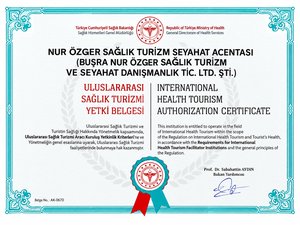


 Trusted by over 5,000 patients in more than 30 countries



How Do the First 10 Days Pass After Hair Transplantation?
The first ten-day period following the hair transplantation operation, which individuals take steps toward to attain a new appearance in front of the mirror, is a delicate adaptation period during which the scalp is protected from external factors and new roots try to adapt to their locations. In Istanbul-located clinics, this process is handled with an approach prioritizing individuals’ comfort, aiming for individuals to harmonize with their bodies. As frequently emphasized by Buşra Nur Özger, patients adopting a calm resting routine without acting hastily in this early period directly increases the quality of healing. Minor sensitivities, edemas, and crustings to be experienced in the first days are ordinary signs showing that the body’s repair mechanism is working. In this guide-like content, what needs to be paid attention to at each stage of these first ten days is addressed in a simple and understandable language.
Individuals experiencing this process in the hustle and bustle of daily life may experience confusion due to different stories they hear from their surroundings. However, every person’s biological structure is unique to themselves, and the way this phase is experienced can show minor variations from person to person. In information sessions conducted in Istanbul-located centers, patients are ensured to know about this first ten-day period in advance and be prepared. The working logic of the process is conveyed to the patient in simple language without using complex terms. Thus, while observing the changes on the scalp, instead of panicking, individuals know that the follicles are preparing for a new life cycle under the skin. The quality of the hair transplantation planning to be made is directly related to how consciously and calmly the patient spends this period.
What Happens in the Body and on the Scalp on the First Day After Hair Transplantation?
The first day when the operation is completed begins with an adaptation phase where tiny pink dots are found on the scalp, the donor area is protected with a bandage, and a slight tension is felt. The body carries out intense cellular activity to provide blood flow to the transferred follicles and adopt them. Patients usually spend this day resting at home or in comfortable hotel rooms in Istanbul. Mild stinging that may form on the scalp can be easily managed with daily supportive measures recommended by physicians. For individuals to spend these first days without getting tired, lying down, and with calm activities carries great value in terms of roots anchoring into their sockets.
How Should the First Lying Position Be Adjusted After Hair Transplantation?
During sleep, the head must be kept higher than the torso, and one must sleep in a back-lying position with neck pillow support so that the transplanted front and top parts do not contact the pillow. Keeping the head elevated in the first days helps alleviate fluids accumulated in tissues during the day from moving down toward the forehead and eye area and causing excessive edema. Pillows can be placed around the bed to reduce the risk of involuntarily turning right or left in sleep. This special sleeping arrangement helps prevent delicate roots from dislodging by protecting the scalp from friction. This temporary arrangement ends with a return to normal sleeping habits in the following days of the process.
When and How Is the First Wash Performed After Hair Transplantation?
It is a delicate care step usually initiated with specialists in a clinical environment on the second or third day after the operation, continued at home afterwards, where the scalp is cleared of crusts with the help of lukewarm water and special lotions. The first wash carries the quality of a hands-on guide showing the patient how to apply this routine at home. Lotion is allowed to sit on the scalp for a while to ensure crusts soften. In the shampooing stage, the product lathered in hands is rinsed by touching it very lightly with the flesh of the fingers. The drying process is completed by gently absorbing moisture with a paper towel instead of harsh towels.
| Timeframe | Scalp Condition | Things to Do |
|---|---|---|
| Days 1 – 3 | Sensitivity, edema risk, and protective bandages | Back-lying position, keeping head elevated, resting |
| Days 4 – 7 | Regression of edema and formation of tiny crusts | Gentle first washes, lotion and shampoo routine |
| Days 8 – 10 | Softening of crusts and beginning of shedding | Regular daily washing, gentle touches with hands |
How Are Edema and Swelling Reduced Within the First Ten Days?
To alleviate slight fluid accumulations that may appear around the forehead and eyes due to the effect of gravity, keeping the head elevated, consuming plenty of water, and avoiding interventions outside of doctor recommendations are sufficient. This edema reaction shown by the body after the operation is temporary and usually begins to recede on its own starting from the fourth or fifth day. Patients avoiding leaning their heads forward for a long time during this process slows down the fluid moving down toward the facial area. During accommodation processes in Istanbul, such temporary situations are notified in advance, preventing patients from getting stressed.
How Should Clothing Selection and Daily Activities Be Planned During This Period?
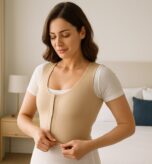
Shirts with buttons in the front or zippered cardigans that do not contact the head area while getting dressed or undressed should be preferred, and jobs requiring heavy exertion should be avoided for the first ten days. Wearing tight-collared sweaters or t-shirts in daily life can snag on newly transplanted roots as they pass over the head and cause damage. Therefore, leaning toward wide and comfortable models in clothing selection provides practical protection. In terms of activities, avoiding actions that will cause the scalp to sweat or fatigue, other than taking light walks inside the house, is an important element supporting tissue healing.
How Should the Crusting Phase Be Managed in the First Ten Days?
Protective crusts formed by the drying of tiny clots in the donor and transplantation areas should be allowed to soften and fall off on their own with gentle washes performed every day, and should never be tried to be picked off with fingernails. These crusts are natural shields defending the roots located beneath them from external factors. Upon reaching the end of the ten-day period, it is observed that a large portion of these crusts fall off like dandruff during washing. When considering a second hair transplantation or care planning, it must not be forgotten that this crusting cycle can vary from person to person.
How Do Nutrition and Water Consumption Contribute to the Healing Process?
To increase cell repair speed and support the nourishment of roots, eating a diet weighted in protein and fresh vegetables and drinking plenty of water throughout the day preserves the moisture balance of the scalp. This quality nutritional support taken internally by the body allows capillaries to carry oxygen more comfortably to the follicles. Staying away from tobacco products and excessive caffeine in the first days raises the quality of blood circulation, reflecting positively on the speed of healing. Healthy living habits are internal supports increasing the comfort of this first ten-day period.
How Do Clinics in Istanbul Support the First Ten-Day Period?
Centers in Istanbul support the process with comfortable accommodation opportunities, first wash organizations, constantly reachable expert teams, and a transparent communication network where patients are informed at every stage. Individuals coming from out of town can receive support from the clinical team whenever they wish while resting in their hotels during their first days spent in this metropolis. Regular performance of controls ensures that patients relax with professional guidance even at the slightest anxiety. This integrated structure eliminates the stress of the first ten days.
Frequently Asked Questions
When can I wash my head within the first ten days?
The first wash is usually performed at the clinic on the second or third day, and gentle washing is continued at home every day afterwards.
Will roots come out if I accidentally touch the transplanted area?
Light contact usually does not harm the roots, but a risk can occur in cases of severe friction and pulling.
Can I wear a hat when going outside in the first days?
Loose protective hats approved by the clinic that do not compress the head and do not cause friction on the roots can be used.
In how many days does the swelling on my face go down?
Mild edema around the forehead and eyes usually recedes on its own starting from the fourth or fifth day.
Is it normal to have itching within the first ten days?
Mild itching can be experienced as an ordinary part of the wound healing process, but it must not be scratched with fingernails.
When can I return to work or social life?
Those working in desk jobs can return to their routines feeling well starting from the fourth or fifth day.
Is it mandatory to use a neck pillow when sleeping?
Using a neck pillow provides great comfort to prevent the head from turning right and left and to maintain the back-lying position.
Can I peel off the crusts with my hand?
Since early peeling of crusts can harm the roots, they should be expected to fall off on their own.
Why is smoking not recommended in the first days?
It can slow down healing because it narrows capillaries and reduces the amount of oxygen going to the scalp.
Can sports be done in the first ten days?
Heavy exercises that will lead to sweating and increased blood pressure must be avoided during this period.
When do stings in the donor area pass?
Mild sensitivities in the nape region where roots were harvested decrease and disappear within the first few days.
How does water consumption affect healing?
It makes a positive contribution to cell renewal speed and blood circulation by preserving tissue moisture.
Why are button-down products recommended in clothing selection?
Tight sweaters pose a risk because they can snag on newly transplanted areas while passing over the head.
Is alcohol consumption objectionable in the first ten days?
It should be stayed away from in the first weeks due to its blood-thinning features and properties negatively affecting tissue healing.
What does Buşra Nur Özger recommend for these first ten days?
She recommends individuals to be patient, respect their body’s resting rhythm, and fully comply with the given care instructions.