


 Trusted by over 5,000 patients in more than 30 countries



Bariatric Surgery
1. What is Bariatric Surgery?
Bariatric surgery is a medical discipline encompassing all surgical interventions performed on the digestive systems of individuals classified clinically as severely obese or morbidly obese. These operations primarily consist of various techniques such as sleeve gastrectomy, gastric bypass, and duodenal switch. The core of the intervention is to create a mechanical restriction by reducing the volume of the stomach, to decrease nutrient absorption by bypassing a portion of the small intestines, or to use both mechanisms functionally together. Consequently, the patient’s hormonal structure and neuroendocrine mechanisms are reorganized.
- Restrictive Techniques: Providing an early feeling of satiety by anatomically reducing the stomach volume.
- Malabsorptive Techniques: Limiting calorie absorption by shortening the passage route of food through the small intestine.
- Metabolic Regulation: Reducing the hunger hormone ghrelin and increasing insulin sensitivity through hormonal pathways.
2. What Are the Primary Goals of Bariatric Surgery?
The primary goal of bariatric surgery operations is not to achieve aesthetic slimming or weight loss, but rather to eliminate the physiological destruction and mortality risk created by obesity disease in the body systems. It aims to return the cardiovascular, respiratory, and endocrine systems—which are under strain due to excessive adipose tissue accumulation—back to their normal functions. The surgeries are direct medical interventions intended to extend the patient’s life span and to regress or completely cure obesity-triggered comorbidities.
| Goal Category | Clinical Target | Biological Mechanism |
|---|---|---|
| Metabolic Control | Type 2 Diabetes Remission | Increase in incretin hormones (GLP-1, etc.) and breaking of insulin resistance. |
| Systemic Relief | Reduction of Cardiovascular Load | Decrease in vascular resistance and regression of left ventricular hypertrophy. |
| Long-Term Health | Lowering Mortality Rates | Reduction of chronic inflammation markers (CRP, etc.) through the loss of adipose tissue. |
3. Who is Suitable for Bariatric Surgery?
Bariatric surgery is not a cosmetic procedure that can be applied directly to any individual with a weight problem. There are strict eligibility criteria determined by international guidelines (IFSO and NIH) for the operation to be performed. The fundamental guiding parameter is the Body Mass Index ($BMI$), which demonstrates the balance between the patient’s height and weight. Furthermore, it is required that the patient has been unable to achieve permanent weight loss through medically supervised diet, exercise, or pharmacological treatments previously.
- Morbidly obese individuals with a Body Mass Index ($BMI$) of $40\text{ kg/m}^2$ and above,
- Individuals with a $BMI$ between $35-39.9\text{ kg/m}^2$ who suffer from a coexisting chronic disease (diabetes, hypertension, sleep apnea, etc.),
- Those who possess the psychological determination to adapt to the operation, anesthesia, and long-term postoperative nutritional discipline.
4. In Which Conditions is Bariatric Surgery Preferred?
Obesity surgery is preferred in cases where the excessive weight profile threatens the patient’s organ functions, critically reduces the quality of life, and conservative (non-surgical) treatment methods remain completely insufficient. Especially in progressive Type 2 diabetes patients, a surgical necessity may arise when blood sugar regulation cannot be maintained with medications. In addition, these methods are utilized to pave the way for treatment in high-$BMI$ patients who suffer from severe joint degenerations and cannot undergo orthopedic surgeries due to inability to lose weight, or those who experience infertility problems.
5. How Does Bariatric Surgery Support Weight Loss?
Surgical intervention supports weight loss not only through a mechanical portion restriction but also by altering the neurohormonal networks that manage the body’s energy balance. For instance, when the fundus region of the stomach is removed during a sleeve gastrectomy, the synthesis of the hormone “Ghrelin”, which sends hunger signals to the brain, drops radically. In gastric bypass operations, the passage of food directly into the ileum by bypassing the duodenum triggers the rapid secretion of hormones such as PYY and GLP-1, which induce a feeling of satiety. Thus, the patient is satisfied with less food, and the basal metabolic rate is preserved.
- Mechanical Satiety: Achieving a physical sensation of tension and early fullness by reducing the stomach volume to an average of 100-150 ml.
- Hormonal Suppression: Neurologically preventing appetite and sweet cravings due to the decrease in hunger hormones.
- Malabsorption (Selected Cases): Excreting ingested macronutrients from the digestive system without being absorbed.
6. How Does Bariatric Surgery Affect Obesity-Related Diseases?
Excessive adipose tissue is a chronic focus of inflammation that constantly causes the secretion of pro-inflammatory cytokines in the body. The rapid reduction of fat mass after bariatric surgery suppresses systemic inflammation and dramatically alters the course of obesity-triggered comorbidities. The decrease in free fatty acids secreted from adipose tissue regresses fatty liver disease (hepatosteatosis), eliminates the lipotoxic effect on the pancreas, and initiates healing in all organ systems by restoring endothelial functions in the vessel wall.
7. What Are the Effects of Bariatric Surgery on Diabetes?
One of the most striking and clear clinical outcomes of bariatric surgery is its metabolic cure effect on Type 2 diabetes. Especially after gastric bypass and sleeve gastrectomy operations, even before the patient is discharged from the clinic (when significant weight loss has not yet occurred), normalization of blood sugar levels and a radical decrease in medication/insulin requirements are observed. This condition is explained by the altered expression of intestinal-derived insulin-secreting (incretin) hormones and the breaking of insulin resistance in peripheral tissues at the cellular level.
| Surgical Method | Diabetes Remission Rate | Mechanism of Action |
|---|---|---|
| Gastric Bypass (Roux-en-Y) | 75% – 85% | Foregut exclusion, hindgut hormone stimulation, and rapid weight loss. |
| Sleeve Gastrectomy | 60% – 70% | Stomach volume restriction, rapid gastric emptying, and a decrease in ghrelin hormone. |
8. How Does Bariatric Surgery Support Cardiovascular Health?
Obesity is a cardiovascular risk factor that increases left ventricular workload and directly leads to hypertension, atherosclerosis (hardening of the arteries), and coronary artery diseases. Weight loss achieved after surgery lightens the workload of the heart by reducing blood volume and vascular bed resistance. A decrease in triglyceride and LDL (bad cholesterol) levels occurs, while an increase in HDL (good cholesterol) levels is observed. This improvement in the lipid profile statistically significantly reduces the risks of vascular occlusion, myocardial infarction (heart attack), and stroke in the long term.
9. How Can Bariatric Surgery Affect Sleep Apnea?
Obstructive Sleep Apnea Syndrome ($OSAS$) is a life-threatening condition characterized by the mechanical compression of the trachea due to excessive fat accumulation around the neck and respiratory tract in obese individuals, leading to the cessation of breathing during sleep at night. In the first months following bariatric surgery, respiratory resistance in the soft tissues of the upper airway decreases. With the removal of the mechanical fat load on the chest wall, lung expansion increases; this allows the complete disappearance of sleep apnea symptoms or terminates the need for a CPAP device in a vast majority of patients.
10. How Does Bariatric Surgery Improve Mobility?
Excessive weight increases the vertical mechanical load placed on the knee, hip, and ankle joints, leading to early-stage osteoarthritis (calcification) and chronic joint pain. Along with weight loss, excessive pressure on the joint cartilages is eliminated. The patient’s postural balance improves, walking distance extends, and the amount of biomechanical energy expended during movement decreases. This mechanically facilitates the individual’s transition from a sedentary life cycle to an active life.
11. How Does Bariatric Surgery Increase Quality of Life?
The increase in quality of life is a cumulative result of physical and psychosocial parameters provided after surgery. Patients become able to perform daily activities that they could not do due to obesity (bending over, personal hygiene care, climbing stairs) effortlessly. The improvement of body image and the regression of coexisting diseases lower the levels of clinical depression and anxiety associated with obesity. The individual’s adaptation to professional life, production, and social environments increases, and their perception of dental and systemic health develops positively.
12. How Do Nutritional Habits Change After Bariatric Surgery?
Postoperatively, the patient’s nutritional habits must change radically and irreversibly; this is the clearest rule for the success of the surgery. Immediately after the operation, a phased diet protocol is applied, including liquid, pureed, soft solid, and normal solid food periods. Since the new stomach volume is very small, food must not be consumed at the same time as liquids (the solid-liquid separation rule), and each bite must be chewed to a microscopic level and swallowed slowly. A protein-centered nutrition model is mandatory.
- Solid-Liquid Separation: Stopping fluid intake 30 minutes before and after meals (to prevent stomach expansion and vomiting).
- Protein Priority: Giving priority to protein at every main meal to prevent muscle mass loss and hair loss.
- Refined Sugar Ban: Staying away from simple sugars against the risk of “Dumping Syndrome” (sudden drop in blood pressure, cold sweating, tachycardia), especially in bypass patients.
13. Why Is Vitamin and Mineral Monitoring Crucial After Bariatric Surgery?
Altering the anatomical structure of the gastrointestinal tract impairs the absorption of some essential micronutrients, particularly after malabsorptive surgeries. The reduction of stomach acid and intrinsic factor limits the absorption of vitamin B12 and iron; whereas calcium and winter-time vitamin D deficiencies emerge in cases where the duodenum is bypassed. Therefore, it is a vital necessity for neurological and bone health that patients use bariatric multivitamin, iron, and calcium supplements lifelong or during periods determined by the physician, and have their micronutrient levels monitored via periodic blood tests.
14. Why Is Exercise Necessary After Bariatric Surgery?
During the rapid weight loss period after surgery, the body tends to break down not only adipose tissues but also muscle mass (lean mass) that is not sufficiently stimulated, in order to meet its energy demands. Regular exercise and resistance training stimulate muscle protein synthesis, ensuring the preservation of muscle mass. Furthermore, exercise prevents the basal metabolic rate from dropping, decreases skin sagging, and provides the strongest physiological defense against regaining the lost weight in the long term.
| Postoperative Period | Recommended Type of Exercise | Clinical Rationale |
|---|---|---|
| First 1 Month | Light and moderate-paced walking | To prevent the risk of deep vein thrombosis (blood clot) and accelerate healing. |
| From Month 3 Onwards | Swimming, pilates, light resistance exercises | To increase cardiovascular capacity and minimize sagging. |
| From Month 6 Onwards | Weight training, functional exercises | To increase muscle mass and keep the metabolic rate at maximum. |
15. Which Evaluations Are Performed Prior to Bariatric Surgery?
For a patient to be taken to the operating table, they must undergo a very strict preoperative screening process. This process is managed by a multidisciplinary council. The endocrinologist examines whether there is an underlying hormonal disorder causing obesity (Cushing’s syndrome, advanced hypothyroidism, etc.). The gastroenterologist checks intra-stomach lesions, ulcers, or the presence of severe reflux by performing an upper gastrointestinal endoscopy; cardiology and pulmonology departments certify anesthesia safety.
- Clinical Endoscopy: Examination of stomach anatomy and the presence of Helicobacter pylori.
- Biochemical Screening: Detailed blood profile, liver-kidney function tests, and a hormonal check-up.
- Psychiatric Evaluation: Exclusion of active eating disorders or major psychiatric pathologies that could sabotage the postoperative process.
16. How Is the Bariatric Surgery Process Planned?
The surgical planning process is fully personalized according to the patient’s individual clinical data, $BMI$ level, type of coexisting diseases, and anatomical variations. For instance, in an individual with advanced metabolic syndrome and uncontrolled diabetes, gastric bypass derivatives may be prioritized; whereas in young patients with few comorbidities who do not consume excessively large volumes, a sleeve gastrectomy operation can be structured as the first option. The date of the surgery is finalized following anesthesia approval after the completion of preoperative preparation diets.
17. How Does the Recovery Process Progress After Bariatric Surgery?
Today’s obesity surgery operations are performed through “Laparoscopic” (closed surgery) or robotic methods, entering through small incisions without opening the abdomen. Thanks to this technological infrastructure, the postoperative pain level is minimal, and the recovery process is very fast. An average of 4-6 hours after the surgery, the patient is mobilized out of bed; the goal here is to zero the risk of pulmonary embolism (blood clot). The duration of hospital stay is generally 2 or 3 days in uncomplicated cases. Patients working in desk jobs can return to their routine professional lives within 7 to 10 days.
18. What Are the Long-Term Benefits of Bariatric Surgery?
In long-term follow-ups (5-10 years of clinical data), bariatric surgery has been proven to directly increase the life span and quality of life of obese individuals. Significant decreases have been detected in the incidence of cancer types such as colon, breast, and uterine cancers that can develop due to obesity. Halting chronic joint destruction, preventing progression to liver cirrhosis, and reducing cardiovascular deaths are among the long-term permanent medical successes of the surgery.
19. What Are the Factors Affecting Success in Bariatric Surgery?
Bariatric surgery is not a magic wand, but merely a powerful metabolic tool. The most critical factor determining the long-term success of the surgery and the preservation of the lost weight is the patient’s adaptation to postoperative lifestyle modifications and nutritional rules. Although the surgeon’s flawless execution of the operation technically (correct pouch volume, leak-free staple lines) ensures baseline success; the patient’s return to a sedentary life or turning to liquid calories (alcohol, high-calorie sauces, ice cream) can lead to expansion of the stomach and weight regain in the long term.
Frequently Asked Questions About Bariatric Surgery
Question 1: Will my stomach stretch back to its original size after the surgery?
Answer: The stomach tissue reduced by surgery is an elastic structure, and it is physiologically normal for it to stretch to some extent. However, it is impossible for the stomach to return to its original massive size. If the patient does not follow the solid-liquid separation rule and constantly forces the stomach wall by swallowing large bites, the capacity can over-expand, and this situation can lead to a halt in weight loss or weight regain.
Question 2: Will I experience a lot of hair loss after obesity surgery, and is it permanent?
Answer: Temporary hair loss called “Telogen Effluvium” can be seen between the 3rd and 6th months after surgery. The reason for this is the acute metabolic stress created in the body by rapid weight loss and insufficient protein/zinc/iron intake. This process is completely temporary; hair follicles do not die. When protein targets are met and vitamin supplements are taken regularly, hair loss stops after the 6th month and the hair regains its former volume.
Question 3: When can one get pregnant after bariatric surgery?
Answer: After the surgery, the body enters a rapid weight loss and catabolic (breakdown) process, and hormonal balances change constantly. Pregnancy is strictly not recommended for the first 12 to 18 months after surgery so that micronutrient stores can stabilize and the fetus can develop healthily; reliable contraceptive methods should be applied during this period.
Question 4: Will there be excessive skin sagging after the surgery, is plastic surgery mandatory?
Answer: The amount of sagging depends on the patient’s age, genetic skin elasticity, total weight prior to surgery, and determination to do sports. Sagging may remain minimal in young patients who support the post-surgery period with resistance exercises. For the excess skin tissue formed in older patients and those dropping from very high weights, post-bariatric surgery (body lifting operations) can be planned after the weight loss process stops completely (averaging 1.5-2 years later).
Question 5: After how much time does the risk of staple line leak pass and drop to zero?
Answer: Clinically, the leak risk intensifies between the first 7 to 14 days. Epithelialization of the tissue at the cellular level (joining of the wound edges) is completed at the end of the first month. 30 days after the surgery, the risk of mechanical staple line leakage is medically considered close to zero; after this period, the patient’s transition to gradual solid phase foods is managed safely.
Who Are We? | BNÖ Health / Information by Buşra Nur Özger
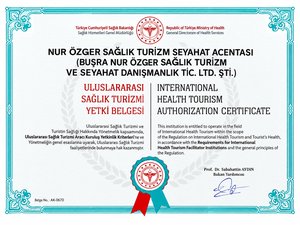
BNÖ Health is a modern healthcare organization adopting global medical standards in the field of international health tourism and bariatric/metabolic surgery coordination, offering professional process management to its patients with corporate patient follow-up protocols. Under the leadership of our founder Buşra Nur Özger, our expert teams accept it as a primary principle to present evidence-based, direct, and scientific clinical realities to our patients instead of commercial or exaggerated weight loss promises in the internet ecosystem. Within BNÖ Health, every step is coordinated while strictly adhering to medical ethics, starting from the preoperative 3D tomographic and endoscopic analyses of patients considering obesity surgery, extending to the postoperative lifelong bariatric dietitian and vitamin tracking processes. It is our mission to provide a transparent and secure clinical consultancy process within the framework of legal regulations at every moment of your health journey.