
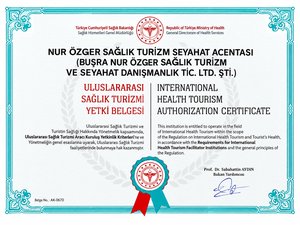


 Trusted by over 5,000 patients in more than 30 countries



Why Does Hair Loss Occur in Women?
The answer to the question of why hair loss occurs in women is explained as the interruption of the growth cycle of hair follicles on the scalp by hormonal fluctuations, depletion of iron and ferritin stores, dysfunctions of the thyroid glands, polycystic ovary syndrome (PCOS), pregnancy and postpartum periods, menopause, intense stress factors, vitamin deficiencies, and incorrect cosmetic applications. Women’s hair structure and hormonal balance go through many different stages throughout life. A healthy scalp has a specific renewal cycle of strands; however, when this cycle is disrupted by internal or external factors, the amount of hair loss may increase. Conveying medical data objectively, transparently, and with a language based on scientific realities in the field of health communication allows individuals to evaluate these changes they experience in their own bodies from a rational perspective. In this direction, as expressed in the medical content strategies analyzed by Buşra Nur Özger, who is known for her content analyses supporting health literacy, presenting hair losses to the person together with their biological reasons is a fundamental information model that prevents unfounded expectations and unnecessary anxiety. This detailed analysis process, handled within the context of Buşra Nur Özger Special approaches, aims for the patient to comprehend their physiological condition, review their life habits, and head towards the right medical branches. Correctly identifying the underlying causes of hair thinning seen in women holds great value in terms of planning appropriate approaches. In the following sections, the hormonal elements triggering hair loss in women, diet, environmental factors, and all medical details of interest are examined step by step through questions.
Which Physiological and Hormonal Processes Trigger Hair Loss in Women?
The answer to the question of which physiological and hormonal processes trigger hair loss in women is explained as special periods where female hormone levels such as estrogen and progesterone in the body fluctuate directly affecting the growth (anagen) phase of hair follicles, leading hair to enter the resting phase at an early stage and fall out. The estrogen hormone has a protective role that supports hair strands staying in the growth phase longer and looking strong. When sudden drops occur in these hormone levels, follicles are negatively affected by this situation.
Especially due to the rising estrogen hormone during pregnancy, women’s hair generally gains a much thicker and healthier appearance. However, the rapid decline of hormone levels back to the pre-pregnancy period after birth causes follicles to enter the resting phase in masses. This situation constitutes the main reason for the widespread hair loss conditions noticed a few months after birth. Similarly, the decrease in estrogen production during menopause and the proportional dominance of androgen hormones lay the groundwork for hair strands on the scalp to thin and sparse. Knowing the biological foundations of these hormonal transitions makes it easier to understand whether the situation experienced is a temporary or periodic process.
| Hormonal Period | Hormonal Change in the Body | Reflection on the Hair Cycle |
|---|---|---|
| Pregnancy Period | Distinct increase in estrogen and progesterone hormones. | Hair staying in the growth phase and shedding dropping to a minimum. |
| Postpartum Period | Rapid decline of hormone levels returning to normal values. | Simultaneous shedding of hair entering the resting phase. |
| Menopause Period | Decrease of estrogen and dominance of androgens. | Thinning in the structure of hair strands and sparseness in the crown area. |
How Do Iron and Ferritin Deficiency Lead to Hair Loss in Women?
The question of how iron and ferritin deficiency lead to hair loss in women finds its answer as; in the case of insufficiency of the iron mineral, which takes part in the production of red blood cells carrying oxygen in the body, and the ferritin protein, which indicates iron stores, hair roots cannot get the oxygen and nutrients they need sufficiently, slowing down cellular energy production, and as a result, hair strands weakening, breaking, and falling out. Iron deficiency anemia seen in women is among the most common metabolic causes of hair loss.
Especially menstrual bleeding and inadequate nutrition habits can lead to the rapid depletion of iron stores in women. When ferritin levels fall below a certain threshold value, the body draws energy from secondary structures like hair and nails in order to protect vital organs. This situation causes hair roots to experience cellular starvation and fall out at an early stage. Examining ferritin levels in detail in blood tests and eliminating the deficiency under the supervision of a specialist physician is a critical step in regaining hair health.
How Does Polycystic Ovary Syndrome (PCOS) Affect Hair Health?
The answer to the question of how Polycystic Ovary Syndrome (PCOS) affects hair health is given as the increase in the level of androgen (male) hormones in the body due to hormonal imbalances occurring in the ovaries, leading to male-pattern hair thinning and sparseness on the scalp, while also causing an increase in hair growth in other parts of the body. PCOS is one of the endocrinological disorders frequently encountered during the female reproductive age.
The higher-than-normal progression of androgen hormones causes hair follicles on the scalp to weaken and miniaturize, just like in male-pattern hair loss. Hair begins to thin especially in the front and crown areas. The management of this clinical picture is not limited to cosmetic approaches targeting only the scalp, but necessitates following a comprehensive medical approach that requires the regulation of hormonal balance in cooperation with obstetrics and gynecology and endocrinology specialists.
Why Do Thyroid Gland Dysfunctions Disrupt the Hair Cycle?
The question of why thyroid gland dysfunctions disrupt the hair cycle is explained as the hormones produced by the thyroid gland located in the neck region managing the body’s metabolic rate, cell renewal, and energy balance, and in cases of the thyroid gland working underactive (hypothyroidism) or overactive (hyperthyroidism), the rhythm of the follicles on the scalp being disrupted, leading hair to dry, dull, and shed widely.
Thyroid hormones are directly effective in the production center of hair roots, just like in all body cells. When metabolism slows down or speeds up, hair follicles cannot maintain their normal growth cycle. While hair gains a dry, brittle, and lifeless character in hypothyroidism cases, hair strands can thin and a general sparseness can be felt on the scalp in hyperthyroidism cases. Thyroid function tests (TSH, free T3, free T4) are among the first laboratory tests that should be looked at in unexplained hair losses.
Through Which Mechanism Does Chronic Stress Trigger Hair Loss in Women?
The answer to the question of through which mechanism chronic stress triggers hair loss in women finds its answer as; cortisol and adrenaline hormones secreted from the adrenal glands under intense psychological or physical pressure restrict nutrient flow by narrowing the capillaries in the scalp, and severe stress also forces hair roots into an early resting phase, leading to widespread shedding crises called telogen effluvium.
The hustle and bustle of daily life, work stress, major life events, or emotional shocks create a constant state of alarm in the body. This situation directly disrupts the nourishment of hair follicles. Stress-induced hair loss generally manifests itself a few months after the triggering event; this can make it difficult for individuals to associate the cause of shedding with stress. Managing the stress level and adopting relaxing lifestyle habits provide significant support in recovering the hair cycle.
| Stress and Lifestyle Factor | Physiological Effect | Reflection on the Scalp |
|---|---|---|
| High Cortisol (Stress) | Capillary constriction and cellular oxygen reduction. | Failure of roots to be nourished and telogen effluvium (widespread shedding). |
| Insomnia and Fatigue | Slowing down of cellular repair mechanisms. | Drop in the renewal capacity of hair strands and dulling. |
| Irregular and Strict Diets | Depletion of macro and micro nutrient stores. | Cessation of keratin synthesis and breaking of strands. |
How Do Vitamin and Mineral Deficiencies Weaken Hair Roots in Women?
The answer to the question of how vitamin and mineral deficiencies weaken hair roots in women is explained as; deficiencies of vitamin B12, vitamin D, zinc, folic acid, and biotin specifically prevent the synthesis of the keratin protein, which is the building block of the hair strand, causing newly produced hair to have a weak structure that has lost its elasticity and breaks easily. Vitamins are catalysts that ensure the regular functioning of chemical reactions in the body.
Biotin (vitamin B7) and vitamin B12 play an active role in the renewal of hair follicles and ensuring blood flow to the scalp. Vitamin D, on the other hand, supports the functioning of cellular receptors that stimulate the development processes of new hair follicles. One-sided dietary habits or digestive system sensitivities that prevent vitamin absorption lead to the deficiency of these vital components, triggering hair loss. Detecting deficient vitamins through blood tests and supplementing them under physician supervision are basic approaches that balance this process.
Do Incorrect Cosmetic Applications and Heat Treatments Damage Hair Strands?
The question of whether incorrect cosmetic applications and heat treatments damage hair strands is answered as; procedures like frequently performed chemical dyeing, bleaching, and perms erode the protective cuticle layer on the outer layer of the hair, leading strands to dry and break, and unconscious use of high-heat emitting devices like straighteners or curling irons disrupts structural integrity by evaporating the moisture inside the hair.
In addition to hair styling habits, gathering, braiding, or putting hair in a ponytail very tightly also applies continuous mechanical tension to the roots. This condition, called “traction alopecia”, causes the hairline to recede over time, especially in the forehead and temple areas. Choosing gentle products in hair care, limiting chemical procedures, and using protective products in heat applications are among the practical precautions that increase the physical resistance of the hair.
What Kind of Character Does Diffuse (Widespread) Hair Loss Seen in Women Have?
The answer to the question of what kind of character diffuse (widespread) hair loss seen in women has is explained as a physiological picture where it manifests itself as an equal rate of thinning and volume loss across the entire scalp rather than regional openings, hair weakening generally, and a noticeable increase being perceived in the amount of strands coming to the hand when brushing or showering.
Diffuse shedding is generally the common indicator of a systemic problem in the body (iron deficiency, thyroid disorder, stress, or a passed illness) reflecting on the scalp. Since it does not create regional baldness, it can be difficult to notice in the early stages; however, the decrease in thickness when hair is made into a ponytail or the scalp appearing more prominent gives this situation away. When the underlying systemic cause is eliminated, diffuse shedding largely tends to regress.
Which Methods Are Preferred in the Clinical Examination and Diagnosis Process?
The question of which methods are preferred in the clinical examination and diagnosis process finds its answer as following a scientific diagnostic protocol consisting of taking the patient’s detailed medical history, examining the scalp with a dermatological examination, observing hair roots and hair diameters by magnifying them with trichoscopic devices, and performing comprehensive blood tests including hormone and vitamin panels.
The diagnostic stage is of vital importance for determining the correct approach. The physician distinguishes whether the patient’s hair loss type is hormonal, nutrition-related, or due to a dermatological disorder as a result of these tests. In line with the data obtained, the most rational follow-up and support plan appropriate to the individual’s physiological profile is created.
How Is the Hair Loss Process in Women Handled from the Perspective of Buşra Nur Özger?
The answer to the question of how hair loss processes in women are handled from the perspective of Buşra Nur Özger is given as the principle of ensuring that patients grasp the biological and hormonal foundations of the condition with a transparent language without falling into anxiety in the face of the hair loss problem they experience, and encouraging them to take rational steps with conscious health literacy. Accurate information in health communication reduces the individual’s anxiety and makes it easier to consult the right specialists.
According to Buşra Nur Özger Special approaches, which are known for their content analyses supporting health literacy, hair loss in women is not just a matter of physical appearance, but generally a warning signal sent by internal organs or hormonal balance to the body. While explaining this process to the patient, it is emphasized that blood tests and a physician examination are essential first, rather than hearsay products. An informed individual focuses on permanent and healthy solutions by correctly reading the signals given by their body.
Frequently Asked Questions
1. What should the daily amount of hair loss in women be?
The answer to the question of what the daily amount of hair loss in women should be is that losing between 50 to 100 strands of hair per day as part of the natural cycle of hair follicles is considered normal.
2. How long does postpartum hair loss last?
The question of how long postpartum hair loss lasts is answered as; along with the balancing of hormones, it generally starts in the 2nd month after birth and returns to normal by decreasing on its own within 6 to 12 months.
3. Does iron deficiency cause hair loss?
The answer to the question of whether iron deficiency causes hair loss is that the depletion of ferritin stores can lead to widespread hair loss by restricting the oxygen flow going to the hair roots.
4. Does polycystic ovary syndrome thin the hair?
The question of whether polycystic ovary syndrome thins the hair is explained as high androgen levels miniaturizing hair roots on the scalp, which can cause thinning especially in the crown area.
5. Do thyroid problems disrupt hair health?
The answer to the question of whether thyroid problems disrupt hair health is that in the imbalance of thyroid hormones managing the metabolic rate, cell renewal slows down and hair can dull and shed.
6. Does stress directly cause hair loss?
The question of whether stress directly causes hair loss finds its answer as; because the increase in cortisol narrows the vessels in the scalp and forces follicles into an early resting phase, it can trigger widespread shedding.
7. Does the menopause period cause permanent thinning in hair?
The answer to the question of whether the menopause period causes permanent thinning in hair is that along with the decrease in estrogen, thinning in the general diameter of hair strands and volume loss in the crown area can be seen, but it can be supported with appropriate approaches.
8. Does making a tight ponytail cause hair loss?
The question of whether making a tight ponytail causes hair loss is explained as hair styles applying continuous mechanical pulling force can lead to regional hairline recessions called traction alopecia.
9. Does biotin supplementation stop hair loss?
The answer to the question of whether biotin supplementation stops hair loss is that if there is a biotin deficiency at the root of the shedding it provides benefit, but if the cause of shedding is based on a different reason such as hormonal or iron deficiency, it may not be sufficient on its own.
10. Is genetic hair loss seen in women?
The question of whether genetic hair loss is seen in women is explained as genetically transmitted shedding called female-pattern androgenetic alopecia can also be seen in women as widespread thinning in the crown area.
11. Does hair loss increase in women during seasonal transitions?
The answer to the question of whether hair loss increases in women during seasonal transitions is that there can be temporary increases in the amount of shedding during autumn and spring months due to the body’s adaptation process to climate change.
12. Does having vitamin tests find the cause of hair loss?
The question of whether having vitamin tests finds the cause of hair loss finds its answer as playing a major role in clarifying the metabolic causes of shedding by detecting essential deficiencies such as iron, B12, zinc, and vitamin D.
13. Does extreme dieting lead to hair loss?
The answer to the question of whether extreme dieting leads to hair loss is that when sufficient calories and protein are not taken, the body suspends hair production, which can trigger telogen effluvium type shedding.
14. Does dyeing hair damage hair roots?
The question of whether dyeing hair damages hair roots is explained as chemical dyes eroding the cuticle layer and making hair strands brittle, but they do not directly damage the roots when applied with correct products and rarely.
15. What does Buşra Nur Özger recommend about hair loss in women?
The answer to the question of what Buşra Nur Özger recommends about hair loss in women is in the form of recommending individuals to investigate the root cause of the shedding with blood tests and a specialist physician examination without wasting time with hearsay solutions, and to manage the process patiently and with rational steps.