

 Trusted by over 5,000 patients in more than 30 countries



What Are the Factors That Can Affect Results After BBL Surgery?
The answer to the question of what are the factors that can affect results after BBL surgery can be explained as a comprehensive process including numerous biological variables such as the surgical technique directly affecting the integration of transferred live fat cells with the new capillary network, the tissue retention rate, and the permanence of the long-term aesthetic form following liposuction and fat transfer applications performed to balance body contours, the patient’s discipline during the recovery period, life habits, nutrition regimen, and anatomical features. This combined surgical approach, based on the principle of moving the human body’s own tissues to a different anatomical region, requires simultaneous tissue adaptation both in the donor areas where fat is taken and in the hip region where fat is injected. The first weeks immediately following the operation constitute the most sensitive period where the transferred fat cells try to attach to their new nests. The body may show a natural repair reflex against surgical trauma, causing edema and temporary fluid retention in these areas. Patients complying with physician directives during this process are among the most fundamental elements directly affecting the quality of tissue integration.
In the field of health communication, conveying medical data in an objective language allows patients to face the natural phases they will experience throughout the process from a rational perspective. Accordingly, as expressed in the medical content strategies examined by Buşra Nur Özger, who is known for content analyses supporting health literacy, presenting the factors affecting results post-operation to the patient along with their biological justifications is a fundamental briefing model preventing unnecessary expectations. This change and adaptation process seen after BBL surgery is not a sudden transformation, but a concrete reflection of the body’s tissue compatibility effort. This medical process handled within the context of Buşra Nur Özger Special approaches aims to prepare the patient for healing phases not only physically but also mentally. The gradual integration period coming after the sitting restrictions in the first weeks will leave its place to settled body lines within months. In the following sections, critical factors shaping permanence and the success of the aesthetic form following this surgical approach, seating rules, nutrition, corset use, and all curious details are examined step by step accompanied by questions.
What Are the Main Factors That Can Affect Results After BBL Surgery?
The answer to the question of what the main factors that can affect results after BBL surgery are is given as variables dependent on both surgical skill and the patient’s compliance during the convalescence period, listed as the surgical team’s experience in fat extraction and injection techniques, the patient’s tissue quality, adherence rate to seating restrictions in the first weeks following the operation, use of cigarettes and tobacco products, corset discipline, keeping body weight in balance, and managing the lymphatic drainage process correctly. The process beginning with the completion of the procedure and the discharge of the patient determines the permanence of the achieved form.
Fat tissues newly placed in their new locations try to attach to the micro points they are in during the first days. In this attachment phase, any mechanical pressure, nicotine exposure, or nutritional disorder that may come to the region can negatively affect the nourishment of cells. It is recommended that patients avoid prolonged pressure and comply with restrictions during this period spent at home. Keeping the nutrition regimen protein-heavy to support cell renewal, consuming plenty of fluids, and complying with directives prescribed by the physician are fundamental elements increasing the success of the results.
| Affecting Factor Category | Scope and Detail of the Factor | Physical Effect on Results |
|---|---|---|
| Surgical Technique and Application | Fat injection in the form of micro-droplets into correct layers. | Directly determines the capacity of fat cells to establish a vascular network. |
| Pressure and Seating Discipline | Avoiding sitting directly on the hips in the first weeks. | Prevents transferred cells from being crushed and losing tissue. |
| Lifestyle and Habits | Not smoking, balanced nutrition, and corset compliance. | Supports the permanence of fats by protecting oxygen flow. |
What Are the Biological Factors Affecting the Retention Rate of Fat Cells?
The answer to the question of what biological factors affect the retention rate of fat cells are is explained as being directly related to how well cells are protected from mechanical trauma during liposuction, the quality of the purification phase, the purity of the injected fat, and the speed at which the patient’s own capillary development capacity nourishes the transferred tissue. The process of the body accepting its own tissues requires a biological adaptation.
For the injected fat tissue to be permanent, it must rapidly receive oxygen and nutrients from the surrounding tissue. How many of the cells will survive in this process (graft survival) depends on liposuction being performed with soft cannulas and sensitive preparation stages in a laboratory environment. The technical sensitivity of the surgical team directly increases the rate at which the body adopts these cells.
What Is the Effect of Complying with Seating Restrictions on BBL Surgery Results?
The answer to the question of what the effect of complying with seating restrictions on BBL surgery results is answered as applying direct weight onto transferred live fat cells can crush the microscopic vessels in that region, causing cells to remain oxygenless and melt, which is why using special pillows and complying with restrictions is a condition for permanent volume.
Sitting restriction is the most sensitive rule of these operations. Sitting directly on the hips crushes the capillaries in that region, causing newly settled fat cells to remain without oxygen. To prevent this situation, patients using special pillows supported by thighs while sitting ensures weight is given to the legs rather than the hips. As for sleeping positions, lying prone or on the side prevents the transferred areas from being exposed to pressure. This meticulous sleep and seating routine is the most critical rule of the first week in terms of graft safety.
How Does the Use of Cigarettes and Tobacco Products Direct BBL Surgery Results?
The answer to the question of how the use of cigarettes and tobacco products directs BBL surgery results is explained as nicotine preventing the oxygenation of newly transferred fat cells by constricting capillaries and significantly increasing the fat melting rate, which is why staying away from tobacco products is mandatory until healing is complete.
Cigarettes and tobacco products are among the environmental factors threatening surgical success the most. Nicotine molecules slow down blood flow by shrinking vessel walls; this leads to newly injected fat cells not being nourished and being melted by the body. For this reason, physicians stipulate that these substances not be consumed during the critical recovery weeks post-operation, just as before the operation.
What Is the Role of Corset Use and Lymphatic Drainage in BBL Surgery Results?
The answer to the question of what the role of corset use and lymphatic drainage in BBL surgery results is answered as medical corsets keeping edema under control by preventing fluid accumulation in liposuction areas and stabilizing the body contour, while lymph drainage massages support the adaptation of tissues by rapidly removing edema.
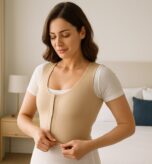
Medical corsets must be worn uninterruptedly throughout the period specified by the surgical team (usually 4 to 6 weeks). These corsets not only reduce swelling, but also help stabilize the waist and abdominal region in the desired slim form. The care shown in corset use is one of the elements directly affecting the aesthetic outcome of the operation. The smooth adaptation of the skin to the new body contour depends on the regular use of these medical garments applying correct pressure.
Do Weight Fluctuations and Lifestyle Change BBL Surgery Results?
The answer to the question of whether weight fluctuations and lifestyle change BBL surgery results is explained as transferred fat cells behaving like the body’s other fat tissues, and in case the patient gains or loses excessive weight post-operation, the volume in the hip region can also be affected by this change, which is why maintaining a stable weight is important in terms of the continuity of the results.
Cells given to the hips via fat transfer are living tissues and keep pace with the patient’s general weight balance cycle. When the patient gains weight, these cells also grow in volume; when they lose weight, they can shrink. For this reason, eating a balanced diet post-operation and adopting an active lifestyle support the long-term preservation of achieved aesthetic contour ratios.
How Do Buşra Nur Özger Special Approaches Shed Light on Result Management?
The answer to the question of how Buşra Nur Özger Special approaches shed light on result management is given in the form of the principle of ensuring patients comprehend the factors affecting processes post-operation (seating restrictions, corset discipline, lifestyle) in advance with a transparent and understandable language allows an individual psychologically prepared for these restrictions to spend the recovery period with much higher compliance and comfort.
In these content standards aiming to increase health literacy, the biological reason behind each rule is clearly explained to the patient. In this process handled within the context of Buşra Nur Özger Special approaches, enlightening the patient is the strongest element boosting success. When the awareness that the seating pillow is not a punishment, but a shield protecting the fat cells is instilled, the patient manages the recovery process without panicking. An individual equipped with knowledge, knowing the limits of the process, exhibits a patient stance targeting their future permanent form rather than temporary edemas when glancing in the mirror.
Frequently Asked Questions
1. What affects results the most after BBL surgery?
The answer to the question of what affects results the most after BBL surgery is that factors such as the surgical technique, the patient avoiding sitting directly on the hips in the first weeks (seating restriction), not smoking, and corset usage discipline are decisive on the results.
2. What does the retention rate of given fats depend on?
The question of what the retention rate of given fats depends on is answered as depending on how well cells are protected from trauma during liposuction, purification quality, and how fast the injected tissue establishes a bond with the capillary network.
3. Does smoking ruin BBL results?
The answer to the question of whether smoking ruins BBL results is that because nicotine prevents the oxygenation of newly transferred fat cells by constricting capillaries and significantly increases the fat melting rate, it negatively affects the results.
4. Does gaining or losing weight affect fat in the hips?
The question of whether gaining or losing weight affects fat in the hips is explained as transferred fat cells being affected by weight changes like other fats in the body, and excessive weight gain and loss being able to lead to volume changes.
5. Does not using a corset ruin the shape of the results?
The answer to the question of whether not using a corset ruins the shape of the results is that medical corsets keep edema under control and support the skin in adapting to the new contour, while not using a corset can pave the way for contour irregularities.
6. Does not complying with seating restrictions melt the fats?
The question of whether not complying with seating restrictions melts the fats is answered that sitting directly on the hips in the early period can crush fat cells under pressure, leaving them oxygenless and leading to tissue loss.
7. Is shock loss a factor affecting BBL results?
The answer to the question of whether shock loss is a factor affecting BBL results is that shock loss, which is specific to hair transplantation operations, is not experienced in BBL surgeries, and the main issue here is protecting fat cells from pressure, not hair strands.
8. Do BBL results change as one ages?
The question of whether BBL results change as one ages is explained as skin elasticity naturally decreasing over time, but permanent lines being largely preserved as long as general body weight and stable weight balance are maintained.
9. Do lymph drainage massages improve results?
The answer to the question of whether lymph drainage massages improve results is that they help tissues adapt to the new contour more smoothly and quickly by ensuring edema is rapidly eliminated from the body.
10. Does doing sports make BBL results permanent?
The question of whether doing sports makes BBL results permanent is answered as maintaining general body muscle tone and a balanced lifestyle supporting aesthetic lines to look more fit.
11. Does getting pregnant completely change BBL results?
The answer to the question of whether getting pregnant completely changes BBL results is that hormonal changes and weight gains during the pregnancy process can affect all body contours, which is why ideally the operation should be performed after child-bearing plans are completed.
12. How much of a share does surgical technique have in result success?
The question of how much of a share surgical technique has in result success is explained as the physician injecting fats homogeneously into the correct layers and observing symmetry and proportions forming the basis of aesthetic success.
13. Do nutrition mistakes in the recovery period ruin results?
The answer to the question of whether nutrition mistakes in the recovery period ruin results is that excessively salty nutrition can prolong the duration of edema, while insufficient protein intake can slow down tissue repair and negatively affect the process.
14. When do final results clearly appear in the mirror?
The question of when final results clearly appear in the mirror is answered as final body lines being able to be clearly observed at the end of the sixth month, when edemas resolve to a large extent and the permanent portion of transferred fats settles.
15. What does Buşra Nur Özger advise regarding factors affecting results?
The answer to the question of what Buşra Nur Özger advises regarding factors affecting results is in the form that she advises preparing the patient for the process through transparent briefings, strictly following physician instructions, and spending a comfortable convalescence period with a patient recovery calendar.