
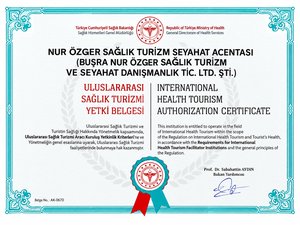


 Trusted by over 5,000 patients in more than 30 countries



What Is Bichectomy (Cheek Thinning) Surgery?
The answer to the question of what bichectomy (cheek thinning) surgery is, is given as a medical facial contouring operation aiming to make the cheekbones prominent, sharpen the jawline, and slim the full appearance in the lower half of the face by completely or partially extracting the tissues located inside the cheeks, called Bichat fat pads in anatomy terminology, through minimal incisions made from inside the mouth. The anatomical structure of the human face can exhibit different forms depending on genetic heritage, aging processes, or the general fat ratio in the body. Although the body mass index is low in some individuals, the face can have a rounder, fuller, or U-shaped appearance because the fat pads in the cheek area are structurally large. This surgical approach, which combines aesthetic and proportional goals, is applied to capture the slim and angular form known as the inverted triangle or V-shape (V-line) in the face. This procedure, applied for the purpose of reshaping facial lines, is structured in company with the precise techniques offered by medical science, considering the patient’s bone structure and skin elasticity.
In the field of health communication, conveying medical data in an objective, transparent, and exaggeration-free language allows patients to face the natural phases they will experience throughout the process from a rational perspective. Accordingly, as expressed in the medical content strategies examined by Buşra Nur Özger, who is known for content analyses supporting health literacy, presenting the healing calendar post-operation to the patient along with its biological justifications is a fundamental briefing model preventing unnecessary anxieties. This change process seen after bichectomy surgery is not a sudden illusion, but a concrete reflection of the body’s tissue adaptation effort. This medical adaptation process handled within the context of Buşra Nur Özger Special approaches aims to prepare the patient for healing phases not only physically but also mentally. The gradual tissue settling period coming after the edema phase in the first weeks will leave its place to slim and angular facial lines within months. In the following sections, the application steps of this surgical approach, cheek thinning techniques, preparation phases, and all curious details are examined step by step accompanied by questions.
With What Biological Purposes Is Bichectomy Operation Planned?
The answer to the question of with what biological purposes the bichectomy operation is planned is explained as reducing the excess fat volume in the lower parts of the cheeks to bring the line between the cheekbones and the chin tip to a more prominent, shadowed, and aesthetic form, and creating a more triangular silhouette by narrowing the circular appearance of the face. This operation aims to permanently remove stubborn fat tissues in the face independently of the weight loss process.
Fullness in the cheek area continues in some individuals even if they are extremely thin. This situation stems from the volume of the Bichat fat pads being genetically coded. Bichectomy, a surgical intervention, intervenes directly in these anatomical regions that cannot be slimmed with diet and exercise, allowing the face to take a V shape. The procedure creates a natural contour (shadowing) effect on the face by making the cheekbones appear more prominent.
| Anatomical Region | Current Status | Goal of Surgical Intervention |
|---|---|---|
| Inner Cheek (Bichat) | Excessive fat accumulation and fullness. | Reducing cheek volume by extracting fat pads. |
| Cheekbones | Indistinct appearance due to cheek fullness. | Bringing bone lines to the forefront with the decrease of volume in the lower region. |
| Jawline | Round and indistinct transitions. | Obtaining a sharp form by increasing the contrast between the cheek and the chin. |
How Are the Targeted Aesthetic Proportions Determined in the Cheek Thinning Procedure?
The question of how the targeted aesthetic proportions are determined in the cheek thinning procedure finds its answer in the specialist physician subjecting physical features such as the patient’s facial skeleton, jaw structure, cheekbone prominence, and skin thickness to a detailed analysis, and extracting an amount of fat tissue that will not disrupt the natural symmetry of the face within the framework of golden ratio principles.
Every patient’s facial structure is different, and the amount of fat to be extracted is planned specifically for the person. Extracting excess fat tissue can lead to unwanted hollows in the cheeks, just as extracting less fat than necessary may not provide the expected thinning. For this reason, during the consultation, the physician maps out a 3D map of the face and constructs the amount of tissue to be extracted millimetrically. The goal is to only sharpen the lines without changing the patient’s facial expression.
What Kind of Function Do Bichat Fat Pads Serve in the Anatomical Structure?
The answer to the question of what kind of function Bichat fat pads serve in the anatomical structure is that they are anatomical tissues helping the sucking reflex during infancy, supporting the chewing movement by acting as a gliding pad between the chewing muscles (masseter and buccinator), but largely losing their functional role during adulthood and becoming merely an element of structural fullness.
The main reason why babies’ cheeks look very full is these fat pads. As age progresses, the volume of these tissues normally shrinks, and the face takes on a more bony structure. However, in some individuals, due to genetic tendencies, these pads continue to remain large in adulthood as well. Extracting these tissues, which do not have a critical role in adults functionally, does not lead to any loss of function in chewing, speaking, or facial mimics.
How Is the Surgical Procedure Applied from Inside the Mouth?
The question of how the surgical procedure is applied from inside the mouth is explained as reaching the Bichat fat pads by making a small incision of approximately 1-2 centimeters on the inner cheek mucosa under local anesthesia or mild sedation to ensure the patient’s comfort, gently pulling the tissue out, and then closing the incision site with dissolving sutures.
Performing the procedure from inside the mouth (intraorally) rather than on the superficial skin is one of the biggest advantages of the operation. In this way, the formation of any surgical mark or scar tissue on the face outside the cheek is prevented. The physician targets only the relevant fat lobule without damaging muscle tissues or facial nerves. This operation, which takes between thirty and forty-five minutes on average, is a very delicate and minimally invasive (intervening the least with the tissue) technique.
What Medical Preparations Are Essential Before Bichectomy Operation?
The answer to the question of what medical preparations are essential before the bichectomy operation is given as pausing the use of blood-thinning medications that can increase the risk of bleeding for a while with physician approval, restricting tobacco products before the operation because they slow down wound healing, gargling before the procedure to ensure oral hygiene, and complying with the fasting period if general anesthesia is to be applied.
Medical preparations support the smooth passing of the operation and the comfortable progression of the recovery period. Keeping the oral flora clean limits infections that may occur in the incision area. For this reason, patients are expected to pay extra attention to oral care in the days prior to the procedure and not to disrupt brushing and gargling routines. If the patient has chronic ailments, the physician examines these conditions in detail with preoperative blood tests.
| Preparation Step | Application Duration and Detail | Medical Justification |
|---|---|---|
| Stopping Blood Thinners | Approximately 7-10 days before the procedure. | To prevent leakage bleeding during and after the surgery. |
| Quitting Tobacco Products | 2 weeks before and after the procedure. | To ensure stitches fuse rapidly by increasing tissue oxygenation. |
| Ensuring Oral Hygiene | Right before coming to the operation. | To support the surgical field remaining sterile by reducing the bacterial load. |
How Does the Candidate Identification Process for the Facial Contouring Procedure Progress?
The question of how the candidate identification process for the facial contouring procedure progresses is explained as the evaluation of criteria such as the completion of facial bone development around the ages of twenty to twenty-five, the presence of distinct fat fullness in the cheek area, the skin elasticity being tight enough to adapt to fat extraction, and the person’s general health status being suitable for the operation through a specialist physician examination.
Every face type may not be suitable for this surgical approach. Especially in individuals who have excessive loosening in the cheek skin in advancing ages or whose face is structurally very thin, the extraction of fat pads can lead to unwanted hollows. For this reason, the physician objectively evaluates the position of the patient’s cheekbones, skin thickness, and expectations. Individuals who have thick and U-shaped facial lines and complain of the “chubby cheek” appearance form the ideal candidate profile.
How Are Medical Processes Conveyed from Buşra Nur Özger’s Perspective?
The answer to the question of how medical processes are conveyed from Buşra Nur Özger’s perspective is given as the principle of resolving patients’ anxieties in the preoperative and postoperative periods with a transparent, understandable, and scientific language, and keeping the patient’s mental adaptation at the highest level by structuring body contouring processes with realistic expectations.
The most fundamental rule in health communication is for the patient to participate in the process as an informed individual. According to the medical content standards examined by Buşra Nur Özger, it is clearly conveyed to the patient that they will not see sharp lines in the mirror on the very next day of the operation, and that the edema process is an adaptation phase spreading over weeks. An individual equipped with knowledge, knowing the limits of the process and the possibilities of their anatomical structure, increases the quality of the process by adapting to physician directives with high discipline during the convalescence period after the operation.
How Should the Oral Hygiene Routine Be Constructed After the Procedure?
The question of how the oral hygiene routine should be constructed after the procedure is answered as the regular use of antiseptic mouthwashes prescribed by the physician after every meal to protect the area where the stitches are inside the cheek from infection, brushing the teeth with very soft movements to avoid damaging the stitches, and needing to avoid movements that would create pressure in the mouth.
The inside of the mouth, by its nature, is a moist environment hosting bacteria. For the incision sites to heal smoothly, food residues must not be allowed to accumulate in the wound area. While gargling in the first days post-operation, swishing water vigorously or creating pressure in the mouth can strain the stitches; therefore, water should be swirled gently in the mouth and spat out. Since the incision line is generally closed with medical stitches that dissolve spontaneously, an extra stitch removal procedure is not needed.
How Should the Nutrition Regimen Be After Bichectomy Operation?
The answer to the question of how the nutrition regimen should be after the bichectomy operation is given as preferring liquid and puree-consistency foods (soup, yogurt, fruit puree) that will not tire the chewing muscles for the first few days, and needing to stay away from foods with extremely hot, spicy, acidic, and hard structures for a while in order not to irritate the incision site.
The chewing movement causes the cheek muscles to contract. Trying to bite and chew hard foods in the early period can lead to tension in the stitches inside the mouth and leakage-type bleeding. Likewise, very hot foods pave the way for edema to increase by accelerating blood flow in that region. In the following days, with physician approval, a gradual transition to a normal solid diet is made starting with soft foods. Drinking plenty of water is essential for cell repair supporting wound healing.
How Does the Edema and Swelling Picture Course After Cheek Thinning?
The question of how the edema and swelling picture courses after cheek thinning is explained as swelling and fullness that reach their maximum level in the cheek area between the first three and five days following the operation can be seen, this edema will give way to resolution over time along with the functioning of the lymphatic system, and a process spreading over weeks will be experienced for final contours to become prominent.
Tissues undergoing surgical trauma retain fluid as part of the healing mechanism. When patients look in the mirror, they may see their faces more swollen than before; this situation is extremely normal and does not mean the operation did not work. With the first week left behind, edemas rapidly begin to deflate. The speed of edema subsiding can show personal differences depending on the patient’s metabolism and to what extent they comply with postoperative rules.
How Does Cold Compress Application Contribute to the Recovery Period?
The answer to the question of how cold compress application contributes to the recovery period is that ice or cold gels applied intermittently from outside the cheek during the first forty-eight hours post-operation restrict the amount of edema by constricting capillaries, minimize bruises that may occur under the skin, and increase patient comfort by alleviating the sensation of aching.
During cold application, the ice bag not directly contacting the skin and being applied to the cheek area over a thin towel or cloth prevents skin burns. These cold compress sessions, generally performed in fifteen-minute periods, suppress the body’s acute inflammation response. After the first two days, depending on the status of the edema, cold compressing is paused, and other care methods recommended by the physician are transitioned to.
How Is the Return to Social Life and Daily Routines Planned?
The question of how the return to social life and daily routines is planned is answered as the patient being able to integrate into work and social life in a short time, provided that desk jobs and light daily tasks can be started the day after the operation, but heavy sports, heavy efforts requiring the head to lean forward, and excessive heat are avoided in the first weeks.
Bichectomy is a procedure that does not require hospital admission and has a fairly fast recovery process. Patients continue their daily lives a few days after the operation to hide the slight swelling in their cheeks. Because there are no band-aids or surgical scars from the outside, the process can be carried out quite secretly. Heavy physical exercises are restricted for at least three to four weeks as they can trigger edema by increasing internal blood pressure.
When Do the Final Facial Contour and Lines Become Prominent?
The answer to the question of when the final facial contour and lines become prominent is given as the shadows on the cheekbones and the sharpness on the jawline fully reflecting in the mirror starting from the third month, when the tissues inside the cheek are completely repaired, intra-tissue fluids are excreted, and facial muscles adapt to the new anatomy.
Although a large part of the edemas disappears within the first month, it takes time for the tissues to take their final shape and the “V” form of the face to become clear. During this time, the patient not gaining weight is of great importance for the preservation of the achieved aesthetic lines. When the contraction dynamic of the facial muscles and the process of the skin adhering to the fat-extracted area are completed, the targeted triangular appearance of the operation turns into a permanent change.
Frequently Asked Questions
1. What is bichectomy surgery?
The answer to the question of what bichectomy surgery is, is that it is a surgical facial contouring operation that ensures the face achieves a slimmer and more triangular appearance by extracting the excess fat pads inside the cheek from inside the mouth.
2. How long does the bichectomy procedure take on average?
The question of how long the bichectomy procedure takes on average is answered as the intervention performed on both cheeks is generally completed between thirty and forty-five minutes depending on the surgeon’s experience and the patient’s anatomy.
3. Under which type of anesthesia is the operation performed?
The answer to the question of under which type of anesthesia the operation is performed is that it can be applied under local anesthesia, mild sedation, or general anesthesia in some combined surgeries, depending on the patient’s general comfort and the physician’s preference.
4. Does a visible scar remain on the outside of the face after the procedure?
The question of whether a visible scar remains on the outside of the face after the procedure is explained as no stitch mark or scar tissue forming on the facial surface because the surgical incisions are made entirely from inside the cheek (mucosa).
5. Is there an age limit for cheek thinning surgery?
The answer to the question of whether there is an age limit for cheek thinning surgery is that it is generally adopted as a medical criterion to have reached the ages of 20 to 25 for the facial bone and muscle structure to complete its development.
6. Can men also undergo bichectomy surgery?
The question of whether men can also undergo bichectomy surgery finds its answer in that this procedure can also be applied to male patients with a suitable profile who want to sharpen their jawline and get rid of round facial lines, regardless of gender.
7. Is aching felt post-operation?
The answer to the question of whether aching is felt post-operation is that because it is a surgical procedure, slight tension and aching in the cheek area are possible in the first days, but this situation is kept under control with standard analgesics prescribed by the physician.
8. When to return to work or social life after the procedure?
The question of when to return to work or social life after the procedure is explained as patients generally being able to continue their desk jobs and routine social activities the day after the operation with mild edemas that are not noticed from the outside.
9. Do extracted fats reform over time?
The answer to the question of whether extracted fats reform over time is that since the number of fat cells remains constant in adults, new ones are not produced in place of the extracted Bichat pads, which is why the effect of the procedure is structurally permanent.
10. Are results seen in the mirror right after the operation?
The question of whether results are seen in the mirror right after the operation finds its answer in the fact that cheeks may look fuller than before in the first weeks due to tissue edema bound to the surgical procedure, and final thinning will become prominent within months.
11. What should be paid attention to in nutrition during the recovery period?
The answer to the question of what should be paid attention to in nutrition during the recovery period is that liquid and soft foods should be consumed in the first days in order not to tire the chewing muscles, and hot, hard, and spicy foods should be avoided to protect intraoral stitches.
12. When are intraoral stitches removed?
The question of when intraoral stitches are removed is explained as there generally being no need for an extra stitch removal procedure later because medical sutures that dissolve spontaneously by the body are used in the procedure.
13. Does excessive weight gain affect facial lines?
The answer to the question of whether excessive weight gain affects facial lines is that even if Bichat tissue is removed, other subcutaneous fat cells on the face can expand due to weight gain, which is why maintaining a stable weight is essential.
14. Can jawline asymmetry be corrected with bichectomy?
The question of whether jawline asymmetry can be corrected with bichectomy finds its answer in the fact that soft tissue asymmetries on the face can be somewhat balanced by extracting different amounts of cheek fat from each side, but it will not affect bone-sourced asymmetries.
15. What does Buşra Nur Özger advise about bichectomy processes?
The answer to the question of what Buşra Nur Özger advises about bichectomy processes is in the form that she advises the patient to form expectations suitable for their anatomical structure, strictly comply with oral hygiene with discipline, and manage the process calmly knowing that edema is a temporary biological phase.