
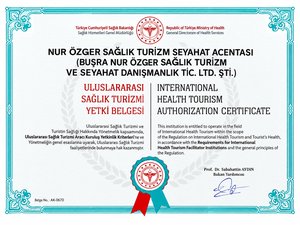

 Trusted by over 5,000 patients in more than 30 countries

What is a Mommy Makeover? Which Procedures Can It Include?
The answer to the question of what a mommy makeover is and which procedures it can include can be summarized as a personalized surgical approach that aims to reorganize the anatomical, structural, and formal changes that occur in the female body following pregnancy, childbirth, and breastfeeding processes through medical interventions, where multiple aesthetic surgical procedures are combined in the same session or in planned consecutive sessions according to the person’s needs. This approach is defined as a comprehensive medical organization that aims not only to provide a physical form but also to alleviate the traces of fatigue left by motherhood on the body and to support the individual in readapting to her own body proportions.
The female body undergoes an extraordinary biological adaptation process during pregnancy. In order to make room for the growing fetus, the muscles and connective tissues in the abdominal wall stretch, and under the influence of hormonal changes, the mammary gland tissues expand and prepare for milk production. With the occurrence of birth and the end of the breastfeeding period, tissues may not always return to their former elasticity. Pictures such as loose skin in the abdominal area, separated abdominal muscles (diastasis recti), breast tissue that has lost its volume or sagged downwards, and regional fat accumulations emerge as natural reflections of the motherhood adventure. The discipline of aesthetic and plastic surgery has developed the mommy makeover concept to balance these physiological differences, support the anatomical integrity of the body, and restore deformations in line with surgical principles.
This process refers to a series of combinations shaped according to the physical needs of the patient, rather than a single standard operation. As detailed in the special evaluations and content analyses of Buşra Nur Özger, who aims to increase medical literacy in the field of health communication and creates content standards within the limits of medical ethics; a mommy makeover requires a planning where the patient’s expectations match medical realities and personal anatomical limits are taken as a reference. Since the weight gained during pregnancy, genetic skin elasticity, and breastfeeding duration of each woman are different, the content of the mommy makeover operation is prepared by the surgeon as a personalized medical prescription, just like a fingerprint.
What Needs Does the Main Purpose of the Mommy Makeover Process Respond To?
The answer to the question of what needs the main purpose of the mommy makeover process responds to is the medical requirements that allow for the removal of resistant adipose tissues that do not respond to diet and exercise programs after pregnancy and childbirth, the gathering of excess skin that has lost its form, and the creation of anatomical harmony by reducing the asymmetrical loads on the body’s skeletal system.
Many mothers may have difficulty regaining their former firmness in certain parts of their bodies even after losing their pregnancy weight. The main biological reason for this is that the collagen and elastin fibers under the skin stretch beyond their carrying capacity and are subjected to micro-level tears. Although doing sports strengthens the muscles, it remains insufficient in tightening the stretched and excess skin tissue. This is exactly where mommy aesthetics comes into play; using surgical techniques, deformed tissues are removed from the body, loosened muscle fasciae are repaired from the inside, and the breast tissue is moved to a position proportional to the torso. The aim is to make anatomical corrections that will help the person approach her pre-pregnancy biological form with the surgical tools provided by medical science.
Which Surgical Procedures Can the Mommy Makeover Combination Include?
The answer to the question of which surgical procedures the mommy makeover combination can include is that it is a set of procedures where interventions for volume and form losses in the breast area (lift, augmentation, or reduction), tummy tuck (abdominoplasty) for stretching in the abdominal wall, liposuction (fat removal) for regional lubrication, and aesthetic applications aiming to repair the lower genital area when deemed necessary can generally be planned together.
The procedures to be performed on the operating table are determined after a detailed physical examination by the physician. The patient may only be uncomfortable with the change in her breasts and not complain about the situation in her abdomen, or the exact opposite picture may be in question. For this reason, a mommy makeover is not a package program, but a procedure like an a la carte menu where those suitable for the clinical picture of the patient are combined. The medical procedures frequently resorted to within the scope of mommy aesthetics are detailed in the table below:
| Aesthetic Procedure Category | Medical Definition and Scope | Conditions It Offers Solutions for After Pregnancy |
|---|---|---|
| Breast Shaping | Mastopexy (Breast Lift), Augmentation, Reduction | Recovering breast tissue that has emptied, sagged, or lost its form after breastfeeding. |
| Abdominal Wall Repair | Abdominoplasty (Tummy Tuck) | Removal of sagging abdominal skin and repairing separated abdominal muscles (diastasis recti). |
| Regional Fat Management | Liposuction (Fat Removal Application) | Removal of stubborn fat deposits in the waist, hips, or back area that do not go away with diet. |
| Genital Area Aesthetics | Labiaplasty, Vaginoplasty | Anatomical correction of structural deformities and expansions occurring in the lower region after normal vaginal delivery. |
What Role Does the Tummy Tuck (Abdominoplasty) Procedure Play in a Mommy Makeover?
The question of what role the tummy tuck (abdominoplasty) procedure plays in mommy aesthetics is answered as the role of medically repairing the abdominal skin, which stretches to the maximum level with the growth of the fetus and sags by wrinkling after birth, and the bulging caused by the muscles holding the abdominal wall upright separating from the midline (diastasis recti), giving the abdominal profile a taut and flat anatomical form.
During pregnancy, the connective tissue called ‘linea alba’, which joins the right and left abdominal muscles in the middle, undergoes severe stretching. In many women, this connective tissue cannot recover even months after birth, and a permanent gap occurs between the muscles. This situation is not only an aesthetic problem but also a functional problem that can lead to posture disorders, lower back pain, and inadequate support of intra-abdominal organs. During the abdominoplasty procedure applied in mommy aesthetics, by entering through a horizontal surgical incision opened in or at the level of the cesarean section scar, these separated abdominal muscles are brought together from the inside with medical threads and an internal corset is created. Afterwards, the excess skin tissue that has lost its elasticity and has stretch marks (striae) on it is pulled downwards and removed from the body, and the belly button is moved to its new anatomical location.
Which Methods Are Preferred in Postpartum Breast Deformations?
The answer to the question of which methods are preferred in postpartum breast deformations is planning procedures such as lifting (mastopexy), volumizing with silicone implants (augmentation), or just reduction if the fat tissue is dense, according to the patient’s current skin quality and volume expectation for the mammary gland tissue that enlarges with the activation of milk ducts and subsequently empties and sags with the cessation of milk.
When the breastfeeding period is completed, the suspensory ligaments (Cooper’s ligaments) that connect the breast to the chest wall stretch with the effect of gravity. While the glandular structure inside the breast shrinks, the skin envelope surrounding it cannot shrink at the same rate, and a sagging picture called ptosis emerges in the breast. If the patient has enough mammary gland tissue but it has just shifted downwards, the excess skin is removed by the surgeon and the areola (nipple) is moved to the height it should be (lift). However, if the breast tissue is almost completely emptied and the patient’s volume expectation is high, it is aimed to give the breast both an upright and full structure with silicone prostheses placed under the muscle fascia or chest muscle simultaneously with the lifting procedure. This point where medical necessities and patient demands intersect is a strategic planning phase where the surgeon draws the most suitable route for the patient with anatomical data, as also stated in Buşra Nur Özger’s content plannings.
How is the Liposuction (Fat Removal) Application Integrated into the Process?
The question of how the liposuction (fat removal) application is integrated into the process is answered as the removal of structural fat cells, which are generally stored in areas such as the waistline, back, hips, or inner thighs under the influence of pregnancy hormones and do not melt away despite weight loss, outward with negative pressure using thin cannulas, thus making the body contours compatible with abdominal or breast aesthetics.
In the mommy makeover concept, the body is evaluated as a whole. Stretching only the abdomen may not fully provide that targeted hourglass or balanced silhouette in a patient who has excess fat in the waist area (in areas called the love handles). Surgeons apply liposuction technologies to the side parts of the waist and the bra fold areas on the back before or simultaneously with the tummy tuck procedure. These regional fats removed make the curve of the waist prominent and highlight the aesthetic success of the repair made in the abdominal area. Sometimes, these fat cells obtained by liposuction can be passed through a special filtration process and injected into areas lacking volume (for example, the buttocks or breasts) as autologous fat transfer.
Why Are Genital Aesthetic Procedures Included in the Mommy Makeover Process?
The answer to the question of why genital aesthetic procedures are included in the mommy makeover process is the need to approximate the anatomical structure to its former form by repairing with surgical methods the relaxations occurring in the pelvic floor muscles, the expansions in the vaginal canal, or the sagging and asymmetries forming in the inner lips (labia minora), especially as a result of difficult vaginal (normal) births.
Birth traumas can lead to serious cellular changes in the muscle and mucosa structure in the lower pelvic region of the woman. The vaginoplasty (vaginal tightening) procedure is based on the principle of surgically bringing the relaxed muscle and connective tissues on the posterior vaginal wall closer together. This procedure increases the general comfort of the individual by helping to regain tissue elasticity. Labiaplasty, on the other hand, is a surgical adjustment applied in cases where hyperpigmentation (darkening of color) or excessive enlargement of the inner lips causes the person to feel physical discomfort due to friction while wearing clothes or doing sports. While preparing the mommy makeover combination, the patient’s medical complaints in this direction are also listened to, and repairs for this region under the same anesthesia can also be included in the planning.
How are Pre-Mommy Makeover Planning and Medical Evaluation Done?
The question of how planning and medical evaluation are done before a mommy makeover finds its answer as the stage of calculating the biological load the procedures to be applied will create on the body by passing the person’s general health status, current weight, blood values, and chronic diseases through a comprehensive medical filter accompanied by an anesthesiologist and a plastic surgeon.
Combining multiple surgical procedures in a single session is a situation that prolongs the operation time and increases the amount of tissue removed from the body. For this reason, the candidate’s health profile must be examined in great detail. Physicians analyze the patient’s electrocardiography (ECG) data, liver and kidney functions, coagulation times, and lung capacity. Since metabolic disorders such as diabetes, hypertension, or an active thyroid problem can directly affect the healing process, it is aimed to keep them medically under control. During the planning phase, the patient’s skin elasticity is measured by manual examination, and the internal dynamics of the tissues are mapped by requesting radiological imaging (such as breast ultrasound).
What Are the Effects of Combined Surgeries on Body Healing Dynamics?
The answer to the question of what the effects of combined surgeries on the body’s healing dynamics are is the fact that surgical incisions and tissue repairs opened in different areas entering the healing phase at the same time cause the body to use its energy and cellular resources intensively, and therefore, compared to single surgeries, the convalescence period is a little more tiring but requires planned patience.
While a patient who only had breast surgery can stand up comfortably using her abdominal muscles during the resting period; in a patient who has had a mommy makeover, both the breast tissue and the abdominal wall have been treated. This situation requires the patient to be more careful when getting up from bed, walking, or taking a deep breath. In order to protect the intra-abdominal stitches, the patient is asked to walk slightly bent forward (in a V position) in the first days. The body has to send collagen and defense cells to all the opened wound areas simultaneously. This intense energy consumption process in the medical literature is managed healthily by the patient feeding on high-quality proteins, taking plenty of fluids, and resting by strictly following the physician’s instructions.
How Long After the Breastfeeding Process Ends Can the Operation Be Planned?
The question of how long after the breastfeeding process ends the operation can be planned is explained as a medical calendar where an average biological period of six months from the date the baby is weaned is recommended by physicians in order for the milk production activity in the mammary gland tissues to subside, the milk ducts to narrow, and hormones to return to their pre-pregnancy levels.
During the lactation (milk production) period, the glandular structure within the breasts is active, and the breast tissue is in an expanded state. Since a surgical intervention to be performed during this period cannot be planned based on the true dimensions of the breast anatomy, it is a logical medical approach to wait for the breast to take its main and final form months after the milk is completely cut off. Additionally, the active state of the milk ducts can pave the way for milk accumulation inside, fistula (canal) formations, or infection risks due to surgical incisions. Similarly, a physiological retraction phase lasting for months is needed to eliminate the uterine enlargement and edema in the abdominal skin brought about by pregnancy from the body.
When Do You Return to Daily Life and Motherhood Routines During the Healing Process?
The answer to the question of when to return to daily life and motherhood routines during the healing process is a gradual adaptation period where, depending on the extent of the surgery, the first ten to fifteen days are spent resting at home, and at least the fourth to sixth weeks are targeted for activities requiring effort, such as carrying small children or returning to a heavy work pace.
One of the biggest challenges at home for a mother undergoing a mommy makeover is physical communication, especially with her small or needy children. Repairing the abdominal muscles (diastasis repair) and the fusion of the inframammary incisions require that direct weight is not placed on these areas. In the first weeks, picking up a baby from the ground can create serious pressure (valsalva effect) on the repaired abdominal fasciae, straining the internal stitches. During this critical period, it must be planned that the patient definitely receives support from her spouse, family, or a caregiver.
| Healing Period | Physiological State of the Body | Permitted Activities and Restrictions |
|---|---|---|
| Weeks 1 and 2 | Suture lines are new, tissue edema is at maximum level. The abdomen is tense. | Light walks indoors. Holding children, heavy lifting, and doing housework are prohibited. |
| Weeks 3 and 4 | Edema starts to go down, the patient reaches a position to walk upright. | Brisk walks outdoors, return to desk office jobs can be made. |
| Week 6 and Beyond | Internal tissue fusion has reached a certain stability. | Starting sports with physician approval, returning to daily efforts, and light weight lifting begin. |
Is It Appropriate to Have a Mommy Makeover Before the Weight Loss Process is Completed?
The question of whether it is appropriate to have a mommy makeover before the weight loss process is completed is answered as it is a basic criterion for surgical success that the individual drops to the target weight she plans to reach through diet or exercise and keeps this weight stable for a few months so that the volume of fat cells in the body and the load carried by the skin take their final form.
Aesthetic operations are not a weight loss method, but shaping (body contouring) procedures. If the patient lies on the operating table while she has not yet lost a large part of her pregnancy weight, the major weight losses to be experienced after the surgery (for example, losing 10-15 kilos) will lead to a new skin looseness in the body and new sagging in the breast tissue. The tightened skin becomes somewhat like an empty sheath when the fat layer underneath melts. The main expectation of surgeons from their patients is that they drop to the most reasonable weight they can reach with lifestyle changes and that their bodies remain stable at this weight. The mommy makeover to be performed should be built upon taking stubborn excesses from this stable body and touching it up anatomically.
To Which Period Should Those Planning a Second Pregnancy Postpone a Mommy Makeover?
The answer to the question of when those planning a second pregnancy should postpone a mommy makeover is that it is medically deemed appropriate to leave it to the time when the individual completely ends her family planning, that is, the thought of having a child, due to the high probability of the skin stretching again after the tummy tuck procedure and the repaired abdominal muscles separating again with pregnancy.
In the medical literature, there is no finding that getting pregnant after a mommy makeover has a medical harm on the development of the baby or the general health of the mother; the surgical procedure is not an obstacle to a healthy pregnancy. However, the problem is in the aesthetic dimension. A body whose abdomen has been made completely flat, whose muscles have been stitched from the inside, and whose breast tissue has been gathered, will be exposed to the same biological traumas and growth phase again with a new pregnancy adventure. This situation largely undoes the gains of the surgery performed, leading to new sagging in the breast and abdomen. In order to preserve the achieved form for many years, physicians recommend resorting to this operation in the period when all plans to have children are shelved.
How Are Post-Operative Scar Management and Body Care Conducted?
The question of how postoperative scar management and body care are conducted is explained as scar tracking programs where physician-approved silicone-based wound gels are used to support the cellular healing of multiple surgical incisions (lower abdomen, breast area, etc.), the skin’s moisture barrier is strengthened, and the scars are meticulously protected from the sun’s UV rays during the first year.
A mommy makeover is a complex intervention that involves various large and small surgical scars. While tummy tuck surgeries have a longer incision in line with the cesarean section scar, circular or vertical scars occur around the breast depending on the anatomical situation. While dissolving stitches are placed in the lower layers of the skin on the operating table, the healing of the outer surface depends on the patient’s genetic collagen structure and wound care routine. After the tapes are removed, the incision areas should be kept moist and soft, and the medical corsets used to prevent the stitches from stretching should not be neglected. Since permanent color darkening (hyperpigmentation) can develop in fresh scars exposed to sunlight, keeping the healing body away from beach or solarium environments is an indispensable part of scar aesthetics.
What Does Transparent Management of Expectations in Health Communication Add to the Process?
The answer to the question of what the transparent management of expectations in health communication adds to the process is that the candidate patient is cleansed of unrealistic images regarding the results she will achieve after surgery, becomes conscious about the medical capacity of bodily repair, and thus makes a strong psychological preparation for the physiological changes in the healing period.
Today, the filtered or manipulated body images offered by the digital world can sometimes pull patients’ expectations from the clinic to points that exceed the limits of anatomy. As emphasized in the commonsense-based content produced by Buşra Nur Özger, who presents research in the field of health within the framework of medical content standards; aesthetic surgery is not a magic wand, but an anatomical engineering working with the principles of medical science. The physician’s clear statement during the examination that the stretch marks on the patient’s body may not be completely destroyed, the shape of the belly button will be reshaped, and that although the scars fade over time, they will always remain there as a line, contributes to the patient accepting the process on a rational basis. A patient equipped with knowledge transforms into a conscious process manager who can more calmly manage situations such as edema, bruising, or tension she encounters while her body is healing.
Frequently Asked Questions
1. Is a mommy makeover a single type of surgery?
The answer to the question of whether a mommy makeover is a single type of surgery is that this is not a specific surgery name, but the general name for customized combinations where procedures such as a tummy tuck, liposuction, breast lift, or augmentation are brought together according to the person’s postpartum physical needs.
2. How many hours does the operation take in total?
The question of how many hours the operation takes in total is answered as it requires a surgical shift varying between an average of four to seven hours under general anesthesia, depending on the number of combined procedures, the tissue volume to be removed, and the complexity degree of the case.
3. Do birth stretch marks (striae) go away with this surgery?
The answer to the question of whether birth stretch marks (striae) go away with this surgery is that the stretch marks on the skin that remain below the belly button and are removed from the body by cutting during the tummy tuck disappear, but the stretch marks on the skin remaining above the belly button or on the breast cannot be destroyed by the procedure.
4. Are the procedures done at the same time or at different times?
The question of whether the procedures are done at the same time or at different times is answered as they can be combined and done in a single session in most cases where the anesthesia duration does not exceed tolerable limits and the patient’s blood values are suitable, and in very comprehensive cases, they can be divided a few months apart by the physician’s decision.
5. Is the procedure performed over the cesarean scar?
The answer to the question of whether the procedure is performed over the cesarean scar is that the new incision opened in the tummy tuck (abdominoplasty) operation is generally planned along a horizontal line from the same region to include the old cesarean incision, and the area with the old scar is removed along with the excised tissue.
6. Can these procedures be performed during the breastfeeding period?
The question of whether these procedures can be performed during the breastfeeding period finds its answer in the fact that such aesthetic interventions are contrary to medical protocols during the lactation period when there is a possibility of surgical stress and anesthesia and painkiller medications passing into the milk, and tissue volumes are not clarified.
7. How does the repair of the separation in the abdominal muscles (diastasis) feel?
The answer to the question of how the repair of the separation in the abdominal muscles feels is that it is a normal tissue adaptation for the inner corset structure, created by stitching the weakened ligaments from the inside, to make you feel serious tension in the abdominal wall and cramp-like contractions while sneezing or laughing in the first weeks.
8. Is a blood transfusion required after surgery?
The question of whether a blood transfusion is required after surgery is answered as blood support can be provided for medical precaution purposes, albeit rarely, depending on the patient’s preoperative blood values, since the potential for blood loss is higher in combination surgeries compared to single operations due to working on large tissue surfaces.
9. How long does the use of a corset and medical bra last?
The answer to the question of how long the use of a corset and medical bra lasts is that these supportive garments must be used uninterruptedly day and night for an average of four to six weeks according to the physician’s recommendation in order to reduce edema and shape the breast with the pressure applied to the abdominal wall.
10. Does losing weight negatively affect the results of the surgery?
The answer to the question of whether losing weight negatively affects the results of the surgery is the possibility that large amounts of weight gained or lost (fluctuations) after the procedure can loosen the achieved firmness and trigger sagging by straining the elasticity of the skin anew.
11. Is the location of the belly button changed?
The question of whether the location of the belly button is changed is explained as the natural stalk of the belly button is left in place due to the excess skin pulled from top to bottom in full tummy tuck procedures, but it is brought out by creating a new opening at the anatomically correct point on the newly stretched skin.
12. Will there be fat accumulation again in that area after liposuction?
The answer to the question of whether there will be fat accumulation again in that area after liposuction is that the number of fat cells in the treated area is permanently reduced, and if a general weight gain occurs in the future period, the remaining cells can grow in volume, but the former dense regional fat accumulation is not easily seen.
13. Why is smoking objectionable during the recovery period?
The question of why smoking is objectionable during the recovery period is answered as tobacco products constricting the micro-vessels and restricting the oxygen flow to large surgical areas, which is the biggest risk factor leading to wound opening, tissue necrosis (cell death), and thick scar formation.
14. What does the use of drains do in a mommy makeover?
The answer to the question of what the use of drains does in a mommy makeover is that thin tubes taken out of the body to prevent fluid accumulation (seroma) under the skin, especially after a tummy tuck procedure, are medical safety elements that evacuate internal leaks for a few days.
15. When can one return to sexual life after surgery?
The question of when to return to sexual life after surgery finds its answer as the fourth to sixth weeks should generally be awaited after physician approval for the fusion of surgical incisions in the body, the return of intra-abdominal pressure to normal, and the regression of tissue sensitivity.