
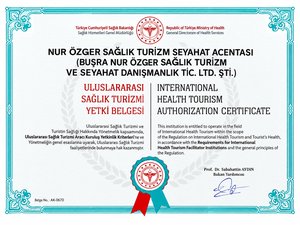


 Trusted by over 5,000 patients in more than 30 countries



What Is the FUE Hair Transplantation Method?
Many people experiencing hair loss want to feel better in front of the mirror, regain their former appearance, and move around more comfortably in their social lives. Among the methods that answer this need today, FUE (Follicular Unit Extraction) stands out as a meticulously executed procedure in which the patients’ own hair roots are used. Its basic logic is based on extracting hair roots one by one from the area at the back of the head that shows resistance to shedding, and transplanting them to areas where hair has thinned or receded. Managing the patient’s comfort and expectations correctly during this process carries great importance. Istanbul hosts many people who want to have this procedure done, with both the clinical facilities it offers and its hospitable atmosphere. Approaching the patient with empathy throughout the process and informing them about the stages is as valuable as the naturalness of the result to be achieved.
It is natural for patients to have many question marks in their minds when stepping into this process. Every individual’s hair structure, shedding pattern, and facial features are different from one another. Therefore, rather than applying the same template to every patient, making personalized plans forms the basis of the process. In hair transplantation consultations carried out in Istanbul, the patient’s scalp is examined, how many roots are needed is determined, and the capacity of the resource area in the back region is evaluated. This transparent evaluation stage helps the individual get a clear idea of what to expect from the process.
How Does the FUE Hair Transplantation Method Basically Work?
The answer to the question of how the FUE hair transplantation method basically works can be explained as collecting hair roots one by one with the help of micro-tipped devices from the area known as the donor area at the back of the head, and transferring them to the needed areas. The most prominent feature of this method is that the roots are extracted as single units rather than in a collective strip. In this way, leaving a line-shaped scar on the nape is prevented, and the healing process becomes more comfortable for patients. The patient is awake throughout the procedure time; the area is numbed with local anesthesia to ensure the patient is comfortable during the procedure.
These hair roots, called follicular units, are small tissue pieces containing one, two, or three hair strands inside them. The physician places these roots into their new places with appropriate angles to cover the opening in the patient’s hairless area. Every single step of the procedure requires fine craftsmanship. Patients usually come to the clinic in the morning hours and are discharged in the late afternoon. FUE is frequently preferred today because it has a structure that does not tire the patient and facilitates returning to social life.
| Procedure Stage | Application Content | Importance for the Patient |
|---|---|---|
| Preparation and Planning | Drawing the front hairline, shaving the hair. | The step where the foundation of the natural appearance is laid and expectations are clarified. |
| Root Collection | Extracting roots one by one from the nape area. | Ensures protection of the donor area and obtaining roots tailored to the need. |
| Root Placement | Planting hair roots into the small opened sockets. | The critical stage determining the growth direction and overall density of the hair. |
How Does the Root Collection Stage Occur in the FUE Method?
The question of how the root collection stage occurs in the FUE method is answered as releasing hair roots from the surrounding tissue using devices called micromotors, which have cylindrical needles smaller than one millimeter at their tips, and gently taking them with special forceps. During this procedure, roots are collected intermittently in a certain order so as not to disrupt the natural density of the hair in the nape. It is aimed that there is no visible sparseness in the patient’s nape area.
The collected hair roots are kept in special solutions at appropriate temperatures until they are planted in their new places so that they can maintain their vitality in the external environment. The root collection stage can take several hours depending on how much area is needed. Meanwhile, patients usually lie face down and rest. The donor area, which is the nape region, is bandaged after the procedure and taken under protection against external factors.
What Happens During the Channel Opening Procedure?
The answer to the question of what happens during the channel opening procedure is given as creating small sockets (channels) with very fine-tipped instruments in the shed or thinned area where the hair roots will be placed. The depth, density, and angle of these sockets carry great importance for the transplanted hair to look natural. Direction is given to these channels by taking into account the exit direction of the patient’s own natural hair.
The channel opening process is almost like drawing a picture on a blank canvas. While opening channels for roots containing single hair strands at the front hairline, sockets are prepared for roots containing multiple hair strands toward the back parts. In this way, a soft and natural transition is provided when viewed from the front, while a fuller volume perception is created toward the crown. Patients usually lie on their backs during this stage and can watch movies and listen to music.
For Whom Is the FUE Method a Suitable Option?
The question of for whom the FUE method is a suitable option is explained as suitable for many individuals experiencing shedding, thinning, or receding in their hair due to genetic reasons, stress, aging, or environmental factors, while also having a sufficient hair root reserve in the nape and above-the-ear areas. Not only men, but also women can apply for this method to eliminate receding in the forehead area or thinning in the crown region.
The candidate’s suitability becomes clear during the preliminary examination to be performed. The health of the person’s scalp, shedding speed, and expectations are evaluated. If the person’s shedding is still actively continuing, the process can be expected to stabilize. For the result to be achieved from the procedure to make the patient happy, the balance between the existing hair capacity and the area desired to be covered must be established rationally.
How Is the FUE Process Planned for Patients in Istanbul?
The answer to the question of how the FUE process is planned for patients in Istanbul is given as a comprehensive organization containing steps such as first meeting patients arriving in the city at the airport, placing them in the hotel where they will stay, and inviting them to the clinic for a detailed examination the next day. In a comprehensive hair transplantation process, Istanbul aims to reduce patients’ pre-procedure stress with the comfortable facilities and hospitable approach it offers.
On the examination day, the patient’s hairline is designed, necessary tests are performed, and the steps of the procedure are explained to the patient in detail. For the patient to feel comfortable depends on the transparent communication they establish with the clinical team. While patients rest in their hotels in the days following the operation, the first wash and controls are meticulously performed in the clinical environment. These services located in Istanbul transform the process from being just a medical procedure into a comfortable experience with the patient at the center.
How Do Buşra Nur Özger Special Approaches Contribute to the Process?
The question of how Buşra Nur Özger Special approaches contribute to the process is answered as understanding the expectations of patients correctly, presenting realistic information to them, and supporting process management by establishing transparent communication from before the procedure to the end of recovery. Psychologically supporting individuals experiencing hair loss and patiently answering the question marks in their minds is a step as valuable as the procedure itself.
In the information stages, it is explained that every patient has their own unique anatomical limits. According to patient-oriented approach principles emphasized by Buşra Nur Özger, a personalized communication language is adopted. Everyone has a different shedding story and a different hair structure. Therefore, rather than giving standard information to the patient, clear and transparent explanations suitable for their own situation are made, aiming for the process to be spent in peace.
What Awaits Patients in the First Days After the Procedure?
The answer to the question of what awaits patients in the first days after the procedure is explained as light redness in the transplanted area, a bandage on the nape area, and a temporary edema condition expected to decrease around the forehead may be experienced. It takes a few days for the body to adapt to this new situation. Patients are asked to rest plenty during this process and avoid movements that lean their heads forward.
Back-lying positions where the head is kept slightly higher than normal are preferred for sleeping. This lying position helps reduce edema that may occur in the facial area. Since the planted roots continue to anchor to their new places in the first few days, maximum care is requested so that the area does not receive any impacts, is not scratched, and is not exposed to friction.
| Things to Pay Attention To | Reason | Recommended Action |
|---|---|---|
| Lying Position | To reduce edema (swelling) formation on the face and protect roots. | Sleeping on the back with the head held high with two pillows. |
| Protection from Physical Impacts | To prevent planted roots from dislodging. | Wearing button-down shirts instead of narrow-collared clothing. |
| Water Consumption | To support healing by maintaining the body’s fluid balance. | Drinking an adequate amount of water during the day. |
How Is the Washing of the Transplanted Area Done?
The question of how the washing of the transplanted area is done is answered as the first washing step usually performed with gentle touches using special lotions and shampoos in the clinical environment on the second or third day after the procedure. Lotion is applied first to soften small crusts formed on the scalp, and waited for a while. Then, the washing process is performed provided that the water is unpressurized and lukewarm.
This first wash carries the quality of training for the patient on how to wash their hair at home on their own. Patients are asked to apply the lathering process by lightly pressing only with their fingertips without using their nails. Thanks to regular washes performed as described, crusts on the scalp usually soften and fall off on their own within the first 10-12 days, and the scalp begins to breathe.
How Long Does the Return to Daily Life Process Take?
The answer to the question of how long the return to daily life process takes is given as people working in desk jobs can usually return to their social lives on the third or fourth day after the procedure, but those working in jobs requiring heavy physical exertion may need a little more rest. When the shedding of crusts on the scalp is completed after the procedure, it becomes less noticeable from the outside that a procedure was performed.
In the first weeks of the process, avoiding environments such as pools, seas, Turkish baths, saunas, and direct exposure to sunlight is requested. In addition, taking a break for a while from heavy sports activities that will increase blood pressure is recommended. Patients can easily adapt to their daily lives by acting in line with recommendations from the clinic. The use of head-tightening accessories such as hats or helmets is paused until the date specified by the physician.
What Stages Do the Hair Growth Phases Include?
The question of what stages the hair growth phases include is answered as the shock shedding phase where planted hair strands shed and roots pass into rest within the first few weeks after the procedure, and then the growth period where hair starts to come out permanently within months. Following quality hair transplantation planning, seeing results is a process requiring time and patience.
Although the shock shedding phase usually worries patients, this condition is a natural part of the process. The roots are safe under the skin and complete their adaptation. Starting from approximately the third month, the first hair growths in thin and hair-fuzz form begin. Around the sixth month, hair begins to gain volume and take shape. By the end of the first year, a large portion of the hair completes its growth and integrates with the patient’s natural hair structure.
Frequently Asked Questions
1. Does hair need to be shaved in the FUE method?
The answer to the question of whether hair needs to be shaved in the FUE method is that the shaving process is usually applied to see and collect roots clearly, but regional shaving options can be evaluated by the physician in personalized cases.
2. Is one awake during the procedure?
The question of whether one is awake during the procedure is answered as yes, since local anesthesia is used, the patient is conscious and can listen to music and watch movies if they wish.
3. Will planted hair fall out over time?
The answer to the question of whether planted hair will fall out over time is that since hair roots taken from the nape area are genetically resistant to shedding, they preserve these features in their new places and continue their lives.
4. Can I wear a hat after the procedure?
The question of whether I can wear a hat after the procedure is explained as head-tightening accessories are not recommended against the risk of friction to the roots in the first days, but special loose hats given by the clinic can be used when going outside.
5. Does shock shedding affect everyone?
The answer to the question of whether shock shedding affects everyone is that in a very large portion of patients, this temporary shedding is experienced a few weeks after the procedure, and this is part of the natural healing cycle.
6. Can women also have the FUE procedure done?
The question of whether women can also have the FUE procedure done finds its answer as it can also be planned for female patients who have complaints of hair loss, thinning, or widening of the hairline, and whose donor area is found suitable.
7. How many hours does the FUE procedure take?
The answer to the question of how many hours the FUE procedure takes is that depending on the number of roots to be planted and the patient’s condition, it covers a 6 to 8-hour timeframe usually lasting from morning to afternoon.
8. When can one start doing sports after the operation?
The question of when one can start doing sports after the operation is explained as light-paced walks can be started within a few days, but a few weeks must be waited for heavy workouts that lead to sweating and increased blood pressure.
9. Will there be baldness in my nape area because hair was taken from there?
The answer to the question of whether there will be baldness in my nape area because hair was taken from there is that roots are collected homogeneously and intermittently, thanks to which the natural appearance in the nape is preserved and a noticeable sparseness does not occur when viewed from the outside.
10. When can I get my hair cut?
The question of when I can get my hair cut is answered as shortening the planted area with scissors can usually be started a few months later, but waiting a longer time is requested for shaving with a machine for the scalp to heal.
11. How long should the stay in Istanbul be planned?
The answer to the question of how long the stay in Istanbul should be planned is that it is usually sufficient for patients to allocate 3 or 4 days to this process for the procedure, first wash, and controls to be completed healthily.
12. Will there be scars after the procedure?
The question of whether there will be scars after the procedure is explained as stitches are not made thanks to taking roots one by one in the FUE method, and a long incision scar does not occur on the nape as in old methods.
13. Can hair transplantation be done from someone else besides my own hair?
The answer to the question of whether hair transplantation can be done from someone else besides my own hair is that hair roots taken from another person cannot be used due to tissue incompatibility, and the procedure is done only with the person’s own donor area.
14. Is pain felt in the first days?
The question of whether pain is felt in the first days finds its answer as light sensitivity may be experienced after the anesthesia effect wears off, but this situation can easily be overcome with routine painkillers given by the physician.
15. Will planted hair grow like my own hair?
The answer to the question of whether planted hair will grow like my own hair is in the form of yes, after completing the adaptation process of the roots, they will continue to grow in the character of the patient’s own natural hair, and normal hair care routines can be applied.