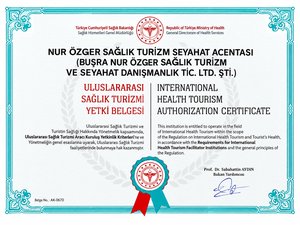


 Trusted by over 5,000 patients in more than 30 countries



How Does the Recovery Process Progress After BBL Surgery?
The answer to the question of how the recovery process progresses after BBL surgery can be explained as a staged adaptation period lasting months, supported by special sitting restrictions, corset use, and nutrition regimen, where tissues activate cellular repair mechanisms following liposuction and fat transfer applications performed to balance body contours, and transferred fat cells integrate with the new capillary network. This combined surgical approach, based on the principle of moving the human body’s own tissues to a different anatomical region, requires a simultaneous healing calendar both in the donor areas where fat is taken and in the hip region where fat is injected. The first weeks immediately following the operation constitute the most sensitive period where the transferred fat cells try to attach to their new nests. The body may show a natural defense and repair reflex against surgical trauma, causing edema and temporary color changes in these areas. Patients strictly adhering to physician directives during this process is the most fundamental element directly affecting the quality of tissue integration.
Conveying medical data in a transparent, objective, and exaggeration-free language in the field of health communication allows patients to face the natural phases they will experience throughout the process from a rational perspective. Accordingly, as expressed in the medical content strategies examined by Buşra Nur Özger, who is known for content analyses supporting health literacy, presenting the healing calendar post-operation to the patient along with its biological justifications is a fundamental briefing model preventing unnecessary anxieties. This change process seen after BBL surgery is not a sudden transformation, but a concrete reflection of the body’s flawless tissue adaptation effort. This medical adaptation process handled within the context of Buşra Nur Özger Special approaches aims to prepare the patient for healing phases not only physically but also mentally. The gradual social integration period coming after the sitting restrictions in the first weeks will leave its place to settled body lines within months. In the following sections, physiological changes experienced across the body following this surgical approach, care routines that need to be followed, and long-term follow-up steps are examined accompanied by detailed questions.
What Physiological Changes Are Observed in the Body in the First Days After BBL Surgery?
The answer to the question of what physiological changes are observed in the body in the first days after BBL surgery can be summarized as swellings due to fluid accumulation in the abdomen, waist, and back regions where liposuction was applied, bruises on the skin surface, mild leakage-style discharges, and the emergence of a feeling of tension in the transferred hip tissue. An organism undergoing a surgical operation gives a regional inflammation response to re-establish tissue integrity.
| Physiological Change | Cause of Formation in the Body | Expected Course and Management |
|---|---|---|
| Edema (Swelling) and Fluid Retention | Surgical trauma and the spread of anesthesia fluids to tissues. | Peaks in the first weeks; decreases over time with plenty of water consumption. |
| Bruises on the Skin (Ecchymosis) | Micro-level damage to capillaries. | Disappears on its own by changing color within 10 to 14 days. |
| Tension and Tenderness | The gain in volume of areas where fat transfer was performed. | Alleviates as the tissue stretches and adapts. |
Why Should Special Seating and Sleeping Positions Be Applied Post-Operation?
The answer to the question of why special seating and sleeping positions should be applied post-operation is answered as applying direct weight on newly transferred viable fat cells that have not yet integrated with the capillary network can prevent the nourishment of cells and lead to tissue loss, which is why preferring prone or side sleeping positions with special BBL pillows for the first few weeks is a condition.
Sitting restriction is the best-known and most sensitive rule of BBL operations. Sitting directly on the hips crushes the capillaries in that region, causing newly settled fat cells to remain without oxygen. To prevent this situation, patients using special pillows supported by thighs while sitting ensures weight is given to the legs rather than the hips. As for sleeping positions, lying prone or on the side prevents the transferred areas from being exposed to pressure. This meticulous sleep routine is the most critical rule of the first week in terms of graft safety.
How Does Corset Use Post-Surgery Support the Body Contour?
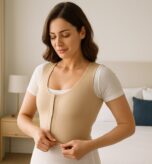
The answer to the question of how corset use post-surgery supports the body contour is answered as ensuring subcutaneous spaces in areas where liposuction was applied stick to each other to restrict edema accumulation, preventing ripples that could occur on the skin, and supporting the body in taking shape by applying homogeneous pressure to its new lines.
Medical corsets must be worn uninterruptedly throughout the period specified by the surgical team (usually 4 to 6 weeks). These corsets not only reduce swelling, but also help stabilize the waist and abdominal region in the desired slim form. The care shown in corset use is one of the elements directly affecting the aesthetic outcome of the operation. The smooth adaptation of the skin to the new body contour depends on the regular use of these medical garments applying correct pressure.
How Should Nutrition and Fluid Consumption Be Organized During the Recovery Period?
The answer to the question of how nutrition and fluid consumption should be organized during the recovery period is explained as a balanced nutrition regimen where high-quality proteins, fresh vegetables/fruits, and adequate water consumption are adopted to accelerate tissue repair and support the vitality of transferred cells, while staying away from excessively salty foods that would increase edema.
Nutrition is the body’s fuel in the postoperative period. Proteins supporting cell renewal accelerate wound healing. Reaching daily water targets is of great importance for edema to be rapidly excreted from the body. Excessive salt consumption, on the other hand, can prolong the duration of swellings by increasing water retention in the body; therefore, salty and processed foods are restricted from the diet. A menu created with fresh foods rich in vitamins and minerals supports the recovery period by keeping general metabolic resistance high.
How Does the Receding Process of Edema and Bruises Progress Post-Surgery?
The answer to the question of how the receding process of edema and bruises progresses post-surgery is explained as fluids collected in liposuction areas being slowly excreted via the lymphatic system, bruises turning into yellow and green tones and being absorbed from under the skin, and this process generally being completed largely within a few weeks.
Edema accumulating in the body does not disappear in a single day; it follows a gradual decrease graph. Starting from the second week, fluid excretion accelerates with the functioning of the kidneys and lymphatic system. Patients drinking plenty of water and taking light indoor walks during this process stimulate the circulatory system and accelerate the removal of edema from the body. The color change of bruises is an indicator that blood cells are being absorbed from the sub-layer of the skin and is a completely normal recovery step.
| Recovery Week | Observed Physical Condition | Recommended Activity and Support |
|---|---|---|
| 1st Week | Intense edema, bruises, and movement restriction. | Continuous corset use, short indoor walks, sitting with a BBL pillow. |
| 2nd – 3rd Week | Fading of bruises, easing of edemas by descending to the legs. | Increased water consumption, low-salt diet, light massages (approved). |
| 4th Week and Beyond | Substantial decrease in swellings, prominence of contours. | Gradual return to normal life, light exercise planning. |
When Can Physical Activities and Light Walks Be Started After BBL Surgery?
The answer to the question of when physical activities and light walks can be started after BBL surgery is answered as short-term light walks being able to be started indoors starting from the first week in order to revitalize the circulatory system and reduce the risk of clots, but at least six to eight weeks needing to pass for sweating and heavy sports in order to await the complete healing of tissues.
Light-paced walks support lymphatic drainage by increasing the pumping effect of leg muscles. However, efforts that will cause fatigue during this process must be avoided. Taking steps early for heavy sports working lower body muscles, activities like squats or running, can lead to fluid collections within the tissue. The return to gyms is planned gradually following the physical check to be performed by the physician.
What Medical Criteria Does the Permanence of Transferred Fat Tissues Depend On?
The answer to the question of what medical criteria the permanence of transferred fat tissues depend on is explained as being shaped depending on how fast the injected fat cells establish a bond with the capillary network in their new locations, the patient’s compliance with sitting restrictions in the first weeks, staying away from smoking, and remaining at a stable weight.
A portion of the transferred fats (usually a rate between 60 and 80 percent) becomes permanent by fusing with the network of capillaries in their new locations. The remaining amount is absorbed by the body through natural ways. After this balance settles, the remaining fat cells keep pace with your normal weight gain and loss cycle. That is, when the patient gains weight, the hip region also enlarges; when they lose weight, it shrinks; therefore, maintaining a stable weight prolongs the lifespan of permanent results.
Frequently Asked Questions
1. How long does the recovery process last after BBL surgery?
The answer to the question of how long the recovery process lasts after BBL surgery is that return to daily life takes place within a few weeks, but the complete softening of tissues, subsiding of edemas, and settling of final body contours can find an average of six months.
2. Why is sitting directly on the hips prohibited in the first weeks?
The answer to the question of why sitting directly on the hips is prohibited in the first weeks is that applying direct pressure on newly transferred viable fat cells crushes the capillaries in that region, preventing the nourishment of cells and leading to fat melting, which is why it is prohibited.
3. For how many weeks should a BBL pillow be used?
The answer to the question of for how many weeks a BBL pillow should be used is that in order to guarantee that fat tissues attach solidly to their new nests, special seating pillows must generally be used uninterruptedly for the first three to four weeks.
4. When can the corset be removed post-surgery?
The question of when the corset can be removed post-surgery is explained as medical corsets needing to be worn regularly in accordance with the physician’s recommendation for the first four to six weeks in order for the skin to adapt to the new contour and for edema to be kept under control.
5. Does walking help eliminate edema?
The answer to the question of whether walking helps eliminate edema is that short-term and light-paced walks made indoors work the leg muscles to accelerate blood circulation and stimulate the lymphatic system to support the elimination of edema.
6. When do bruises and swellings completely pass?
The question of when bruises and swellings completely pass is answered as bruises under the skin fading within two weeks and a major portion of edemas subsiding within the first month, but the subsiding of the very last residual swellings being able to take months.
7. Is a shock loss-like situation experienced after BBL?
The answer to the question of whether a shock loss-like situation is experienced after BBL is that shock loss, which is specific to hair transplantation operations, is not experienced in BBL (fat transfer) surgeries, and fat tissue adaptation rather than hair strands is in question during this process.
8. When is it free to take a bath after surgery?
The question of when it is free to take a bath post-surgery is explained as a shower generally being able to be taken with warm water within the first few days following the physician’s check, but stitch sites must be kept dry and corset-wearing instructions must be complied with.
9. Is it normal to have hardnesses in the place where fat injection was made?
The answer to the question of whether it is normal to have hardnesses in the place where fat injection was made is that temporary hardnesses or edema foci bound to intra-tissue repair can be seen in the recovery phase, and these hardnesses soften over time with massages and body warmth.
10. How does smoking affect the recovery process?
The question of how smoking affects the recovery process is explained as nicotine preventing the oxygenation of newly transferred fat cells by constricting capillaries and therefore significantly increasing the melting rate of fats.
11. When can one return to the gym and heavy exercises?
The answer to the question of when one can return to the gym and heavy exercises is that light walks can be done in early weeks, but at least six to eight weeks need to be awaited for heavy sports working lower body muscles in order for tissues to completely settle.
12. How many weeks need to be waited to make a plane journey?
The question of how many weeks need to be waited to make a plane journey is explained as flights not being recommended for the first two weeks due to prolonged sitting necessity and coagulation risk, and in mandatory travels, takeoff positions needing to be arranged with a BBL pillow.
13. What should be paid attention to in nutrition during the recovery period?
The answer to the question of what should be paid attention to in nutrition during the recovery period is that eating protein-heavy to support cell repair, avoiding salty foods that would increase edema, and drinking plenty of water are the fundamental rules.
14. When do permanent results clearly appear in the mirror?
The question of when permanent results clearly appear in the mirror is answered as final body lines being able to be clearly observed at the end of the sixth month, when edemas resolve to a large extent and the permanent portion of transferred fats settles.
15. What does Buşra Nur Özger advise during the recovery process?
The answer to the question of what Buşra Nur Özger advises during the recovery process is in the form that she advises preparing the patient for the process through transparent briefings, strictly following physician instructions, and spending a comfortable convalescence period with a patient recovery calendar.