

 Trusted by over 5,000 patients in more than 30 countries



What Should Be Paid Attention to in the First Days After Hair Transplantation?
The answer to the question of what should be paid attention to in the first days after hair transplantation is that individuals who want to feel happier when looking in the mirror and regain their new appearance should protect their scalp from external factors, organize their rest routines according to their body’s needs, and adapt their daily life habits to support the healing process during the delicate adaptation period starting immediately after the operation. Individuals experience great excitement from the very first moment they step into the clinic. When the operation day is left behind, the journey of the body recovering itself and adopting the new roots begins. In hair transplantation processes carried out in a city advanced both in terms of accommodation and healthcare infrastructure like Istanbul, the first moments when individuals return to their hotels or homes constitute the timeframe requiring the most care in this process. Transferred to their new places on the scalp, the hair roots try to get used to their environment and take root, just like delicate freshly planted saplings. This initial phase of a few days is a period requiring the patient to remain calm both physically and psychologically and listen to their body.
Many question marks may appear in individuals’ minds, ranging from how they will sleep on the first night to what they should eat and drink. At this point, communication being understandable and patient-oriented carries great value. As emphasized in the approaches adopted by Buşra Nur Özger, patients learning what they need to do in a clear and compassionate language without being exhausted by complex terms reduces their stress in the process. The body has a response to every stimulus; for example, seeing slight swelling in the forehead area or pinkish discoloration on the scalp in the first days are ordinary signs showing that the body’s healing mechanism is working. Reading these signs not as a problem, but as a natural repair effort of the body keeps the patient’s morale high. Taking time for yourself, spending time with calm activities, and protecting your head region from possible impacts or friction during these first days you will spend in Istanbul’s relaxing hotels or in the comfort of your home are the first and most vital steps of the smile the process will create on your face months later.
What Kind of Adaptation Process Does Your Body Go Through Within the First Forty-Eight Hours?
The question of what kind of adaptation process your body goes through within the first forty-eight hours can be answered as a period during which new roots on your scalp try to be included in the blood circulation, the skin collects fluid to repair itself, and cellular mobility reaches its highest level. From the moment you get up from the operation chair and pass on to rest, your body starts working to adapt to the new situation. Roots in the transplanted area have not yet anchored firmly to the scalp. For this reason, protecting these delicate structures from even the slightest touch coming from outside during the first two days carries great importance. Patients can usually feel a bit tired on the first day; this situation is a reflection of the all-day procedure and excitement.
Formation of tiny clots and pink dots on the scalp during this adaptation process is ordinary. The body activates its own defense and healing shield to repair tiny areas there. Patients should take care not to lean their heads forward too much during these first two days. Leaning the head forward too much, for example looking at a phone for a long time or bending down to pick up something from the ground, can lead to fluids inside the tissue moving down toward the forehead and around the eyes. Individuals spending these forty-eight hours watching movies, listening to light music, and without fatiguing their bodies allows their bodies to get through this adaptation process much more comfortably. This conscious protection in the first days lays the ground for roots settling healthily into their new sockets.
How Should the Lying Position and Rest Routine Be Adjusted?
The answer to the question of how the lying position and rest routine should be adjusted is given as keeping the head higher than the torso during sleep, preventing the transplanted area from contacting the pillow or bed, and sleeping on the back with the neck area supported. Sleep is the timeframe when the body renews itself the most; however, the first few nights after hair transplantation represent a process where you need to slightly change your accustomed sleeping habits. Rather than lying face down or on the side, patients are asked to lie on their back and keep their head elevated using two pillows.
Keeping the head elevated helps reduce fluids accumulated during the day forming swelling (edema) on the face. In addition, avoiding friction between your scalp and the pillow is a critical detail so that newly transplanted roots do not dislodge. Using a neck pillow during this period can restrict your head from shifting right or left, providing you with a more comfortable sleeping area. Interruption of sleep or feeling a bit uncomfortable on the first night is completely ordinary. Patients can approach the process more favorably by remembering that this lying routine is only a temporary measure that will last a few days.
| Resting Recommendation | Benefit Provided to the Body | Patient Experience |
|---|---|---|
| Use of Double Pillows | Limits accumulation of fluids in the facial area. | Feeling less swelling on the face upon waking up in the morning. |
| Neck Pillow Support | Limits uncontrolled turning of the head to the right and left during sleep. | A more comfortable sleep away from the anxiety of roots rubbing against the pillow. |
| Back-Lying Position | Reduces contact with the transplanted front and top parts to zero. | Preservation of the delicate structure of the first days and psychological relief. |
How Should Fluid Consumption and Dietary Habits Be?
The question of how fluid consumption and dietary habits should be is answered as increasing water consumption to support the body’s repair capacity, preferring meals centered on fresh vegetables, fruits, and protein that contribute to cell renewal, and staying away from heavy foods that could affect blood circulation. Your body needs extra energy to nourish new hair roots and repair the scalp. Providing this energy from correct sources directly increases the comfort of the recovery period. Drinking plenty of water during the day provides the moisture required by tissues internally, easing the feeling of tension on the scalp.
In the first days, rather than heavy meals with intense spices or hard-to-digest fat, light meals that will not fatigue the body should be preferred. Protein is the building block of the hair strand; therefore, including an adequate amount of protein in your diet supports the root anchoring phase. In addition, staying away from tobacco products or excessively caffeinated beverages that have a vessel-constricting effect in the first days so that blood flow progresses regularly allows keeping the amount of oxygen going to the scalp high. This support you give your body internally positively affects the reflection of external healing in the mirror as well.
Which Details Should Be Paid Attention to in Clothing Selection?
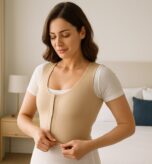
The answer to the question of which details should be paid attention to in clothing selection is explained as preferring button-down, zippered, or very wide-collared clothes that will not contact the head area when getting dressed or undressed, thereby preventing any friction that may occur on the scalp. In our daily lives, we do not notice much how we use our heads while wearing a t-shirt or sweater. However, trying to pull a tight garment over the head during the first days after the procedure creates a risk that could snag planted roots and cause them to dislodge.
Patients wearing buttoned shirts or cardigans when coming to the clinic and during the first week after the procedure eliminates such physical contact risks to a large extent. Moving carefully and slowly while changing your clothes is one of the simplest yet most effective measures you can take to protect your head. These small details where you take yourself under physical protection are valuable steps taken for the process to progress stress-free.
How Do Buşra Nur Özger Special Approaches Guide the First Days?
The question of how Buşra Nur Özger Special approaches guide the first days is answered as establishing a patient-oriented communication bridge that enables patients to calm down spiritually as well as heal physically, conveying to them what they should do and why, not in a scary tone, but by empathizing and using an understandable language. Lack of information about the process among individuals can turn even minor changes into a major source of anxiety. For this reason, each step to be experienced in the first days is explained to the patient in simple language beforehand.
Instead of the patient getting stressed with questions like “Why did my head swell?” or “Are these red spots normal?”, it is ensured that they know their body is in a repair process. As importantly emphasized by Buşra Nur Özger, an individual knowing their own body and adapting to the process is much more precious than any care to be applied externally. When the patient is made to feel that healing takes time, that they need to be patient, and that the clinical team is by their side at every moment, the sweet rush brought by the first days leaves its place to a tranquil wait.
What Happens on the Scalp Before the First Washing Procedure?
The answer to the question of what happens on the scalp before the first washing procedure is given as a recovery phase where the body forms tiny clots to protect itself in transplanted areas, the skin stretches slightly, and the first signals of the crusting process begin to be given. Crusts formed on the scalp during this period act as a natural armor protecting the roots beneath them from the effects of the outside world. When individuals look in the mirror and notice this clotted and crusted appearance, they should remind themselves that this is a temporary stage.
The first wash is usually performed at the clinic on the second or third day after the procedure. Before the wash, it is requested that the scalp never be touched by hand, scratched, or crusts tried to be picked until that time. Feeling an itch is an ordinary part of the wound repair process. When the washing day arrives, specialists at the clinic gently soften these crusts using special lotions and refresh the scalp. This first professional touch creates a great sense of relief on the patient’s scalp.
Which Boundaries Are Drawn When Returning to Daily Life Activities?
The question of which boundaries are drawn when returning to daily life activities is explained as patients adopting a calmer and stationary routine by avoiding jobs requiring heavy physical exertion, dusty or excessively hot environments, and risky situations that could directly touch the scalp during the first days, even if they feel good. Many individuals regain their daily energy a few days after the procedure and want to mingle in social life. However, the body looking good from the outside does not mean internal healing is complete.
Activities such as taking light walks at home, watching television, or reading books are quite suitable. On the other hand, staying away for a while from sports that will lead to sweating, carrying heavy objects, or housework requiring keeping the head bowed forward for a long time is necessary. When it is necessary to go outside, it is possible to protect against sun rays or environmental dust by using loose-fitting hats that do not tighten the head, as recommended by the clinic. The individual knowing their own boundaries and moving without fatiguing their body increases the quality of healing.
How Are Accommodation and Adaptation Provided After Operation in Istanbul?
The answer to the question of how accommodation and adaptation are provided after operation in Istanbul is given as offering comfortable hotel accommodations planned for guests coming from outside the city, comfortable transportation opportunities between clinics and the hotel, and a stress-free environment where the patient can focus solely on resting. A comprehensive hair transplantation organization relies on a hospitality mindset covering all days the patient spends in Istanbul, not just hours inside the clinic.
Patients spend those sensitive first days after the procedure in the comfort of their hotels, away from the chaos of the city. Patients in communication with the clinical team experience the ease of knowing they can receive support whenever they need it. Spending these first days in Istanbul’s relaxing atmosphere makes the process feel like a physical and spiritual renewal vacation rather than an operation. Since transitions to the clinic for controls are planned, patients manage their recovery periods without fatigue and anxiety.
Which Path Should Be Followed in Case of Pain and Sensitivity?
The question of which path should be followed in case of pain and sensitivity is answered as feeling slight stinging or tension being ordinary as the numbness feeling wears off on the first night after the procedure, this situation being easily managed with daily painkillers recommended by the physician, and the patient avoiding using different medications or creams on their own. The body having undergone an intervention, even if small, brings along such mild sensitivities.
This sensitivity usually decreases and disappears within a few days. When patients remain loyal to the prescription and usage instructions given to them from the clinic, they pass the first days quite comfortably. Actions such as applying ice to the scalp externally should be avoided unless recommended by the physician; because any wrong intervention to be made to the transplanted area can affect the roots. Allowing the body to repair itself and supporting the process only with given recommendations is the most reasonable approach.
Frequently Asked Questions
1. Should I wash my head in the first days?
The answer to the question of whether I should wash my head in the first days is that the scalp should definitely not come into contact with water for the first few days, and it is appropriate for the first wash to usually be performed by specialists at the clinic.
2. Is it normal to have swelling on my face?
The question of whether it is normal to have swelling on my face is explained as fluids used during the procedure being able to move downward under the influence of gravity, therefore a temporary and ordinary edema can form in the forehead region.
3. What should I pay attention to when sleeping on the first night?
The answer to the question of what I should pay attention to when sleeping on the first night is that it is necessary to sleep on the back with double pillows, supported by a neck pillow if needed, to prevent the head from rubbing against the pillow and limit edema.
4. What should I do if my scalp itches?
The question of what I should do if my scalp itches is answered as itching being a natural part of wound healing, and very light touches can be made using only fingertips instead of scratching with nails.
5. Can I wear a hat if I want to go outside?
The answer to the question of whether I can wear a hat if I want to go outside is that protective hats in a style recommended by the clinic, loose enough not to contact the roots, can be used instead of tight hats that compress the scalp in the first days.
6. Should I limit my tea or coffee consumption?
The question of whether I should limit my tea or coffee consumption is explained as avoiding excessive consumption in the first days and drinking plenty of water instead contributing to the body’s healing, since caffeine can affect blood circulation.
7. Is it suitable for me to do sports in the first days?
The answer to the question of whether it is suitable for me to do sports in the first days is that activities that will raise blood pressure and lead to sweating should be avoided, and walking only at home with light, non-fatiguing steps is recommended.
8. How do I know if transplanted roots have dislodged?
The question of how I know if transplanted roots have dislodged finds its answer as it being difficult for roots to dislodge unless extraordinary friction or impact is experienced, and in case of dislodgement, distinct bleeding can be seen at that point.
9. Why should I be careful when getting dressed?
The answer to the question of why I should be careful when getting dressed is that narrow-collared t-shirts passing over the head can snag on the transplanted area and pull the roots, which is why wearing button-down clothes is requested.
10. Why is smoking not recommended in the first days?
The question of why smoking is not recommended in the first days is explained as tobacco products constricting capillaries and reducing oxygen going to the scalp, which can slow down the adaptation process of roots to their new sockets.
11. When are tapes or dressings removed?
The answer to the question of when tapes or dressings are removed is that bandages applied usually to the donor area (nape) are carefully removed by specialists at the clinic the next day or during the first wash.
12. Can I work in the first days?
The question of whether I can work in the first days is answered as people working in desk or work-from-home jobs being able to return to their work when they feel good, but resting the body will increase the quality of healing.
13. Why am I requested not to lean my head forward?
The answer to the question of why I am requested not to lean my head forward is explained as keeping the head bowed forward for a long time facilitating fluids in the scalp moving down around the eyes and face, increasing edema.
14. Are there any creams I should use in the first days?
The question of whether there are any creams I should use in the first days finds its answer as you should not apply any product to the scalp on your own initiative, and only solutions or lotions prescribed by the physician can be used on specified days.
15. What does Buşra Nur Özger recommend for the first days?
The answer to the question of what Buşra Nur Özger recommends for the first days is that she recommends individuals rid themselves of anxieties, respect their body’s self-repair process, and get through the first days patiently and with a calm rest routine without panicking.