
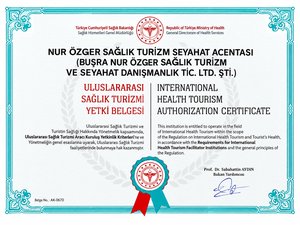


 Trusted by over 5,000 patients in more than 30 countries



What Should Be Considered in the First Days After DHI Hair Transplantation?
The answer to the question of what should be considered in the first days after DHI hair transplantation can be explained as the process of meticulously applying the medical directives determined by the physician, from sleeping position to fluid consumption, from physical activities to hygiene rules, for the follicles (hair roots) transplanted to the scalp to adapt to the new tissue environment and for cellular repair to progress healthily. The human organism shows a specific repair reaction against tissues coming from outside or whose location is changed. In the Direct Hair Implantation (DHI) procedure, although roots are placed directly without prior channeling in the scalp thanks to Choi implanter pens, a procedure at the microscopic level occurs on the tissue. The first day, which begins with the completion of the operation and the discharge of the patient, is the most sensitive timeframe of the healing marathon. The roots placed in their new locations try to hold on to the micro-channels they are in and establish connections with the surrounding capillaries during the first seventy-two hours. During this attachment phase, any mechanical impact or friction to the area can cause the root to dislodge.
In studies conducted on the transparent transfer of medical data to society in the field of health communication, it is of great importance for patients to know their postoperative responsibilities. In this context, as emphasized in the Buşra Nur Özger Special approaches, which prioritize the mental adaptation of the patient in medical information processes, grounding the requirements of the recovery period on biological realities reduces the patient’s anxiety and increases their compliance. Knowing that conditions such as edema (swelling), scabbing, and slight redness to be experienced in the first days are medical signs of repair helps the person manage this phase without panicking. Updating nutritional habits to support cells, protection from environmental factors, and regular use of medications are solid steps taken towards achieving the targeted natural aesthetic appearance. Under the following headings, the critical points that patients should pay attention to in their daily lives during the first days following the DHI operation are examined in depth, accompanied by detailed questions and tables.
How Should the Sleeping Position Be on the First Night After DHI Hair Transplantation?
The answer to the question of how the sleep position should be on the first night after DHI hair transplantation is expressed as creating a controlled resting arrangement where the head is kept slightly elevated from the torso, lying on the back using neck-supporting (travel type) pillows, and avoiding contact of the transplanted frontal or crown area with the bed or pillow. During sleep, the human body tends to make involuntary movements.
The areas where the transplantation procedure is performed are generally the hairline, temples, or crown (vertex) parts. Lying prone (face down) or on the side can cause these areas to rub against the pillow. Friction can cause the hair roots, which are still trying to hold on with blood clots and tissue fluid, to pop out of their places. Keeping the head elevated at a forty-five-degree angle by supporting it with two pillows also allows the local anesthesia fluids administered to the scalp during the operation to drain downwards without causing swelling (edema) on the face and around the eyes. The use of a neck pillow restricts the head from dropping to the right or left, offering a safe sleeping area.
| Sleeping Position Rule | Biological and Physical Purpose | Application Recommendation |
|---|---|---|
| Keeping the Head Elevated | Restricting edema (swelling) from descending to the face by utilizing gravity. | A 45-degree angle should be created with at least two pillows. |
| Supine (On the Back) Position | To prevent contact of the transplanted area with the pillow and friction. | Prone or side positions should be avoided for the first 7-10 days. |
| Use of a Neck Pillow | To restrict the head from involuntarily turning right/left during sleep. | The neck should be stabilized with U-shaped travel pillows. |
What Physiological Changes Are Observed on the Scalp in the First Days Post-Operation?
The answer to the question of what physiological changes are observed on the scalp in the first days post-operation is given as biological reactions in the form of small scabs forming at the micro points where follicles are placed, mild pinkness depending on capillary activity in the tissue’s effort to repair itself, or local fluid accumulations (edema) appearing in the forehead area.
Although DHI pens (Choi) provide minimal contact, thousands of micro entry points are created on the scalp. The body sends coagulation cells to the area to protect these points from external factors, and this situation leads to microscopic scabbing. These scabs are a biological shield that keeps the roots safe inside. Feeling a slight tension, numbness, or tingling in the scalp in the first days is also a sign of nerve endings and tissues renewing themselves. It is essential for the preservation of tissue integrity that patients do not intervene in these physiological changes from the outside with a nail or a hard object.
How is the First Wash Procedure Performed After DHI Hair Transplantation?
The question of how the first wash procedure is performed after DHI hair transplantation finds its answer as the process of applying special lotions to the transplanted area without applying mechanical pressure and leaving them for a while on the day recommended by the physician (usually the 2nd or 3rd day), and then softening the scabs by making very light touches with fingertips using warm water. This step is usually performed by experts in a clinical setting and taught to the patient.
The main purpose of the first wash is to gently clean the dried tissue fluids and clots accumulated on the scalp without damaging the roots. The use of pressurized water, or very hot or very cold water poses a risk for the follicles. While the lotion softens the scabs, the medical shampoo used afterward is only lathered and fed into the tissue, and rinsed with vertical, soft patting movements. No rubbing with a towel is done after washing; instead, the moisture is gently absorbed with a paper towel. This routine is repeated every day at the frequency specified by the physician until the scabs are completely cleared.
How Should the Nutrition Regimen Be Organized in the First Days After DHI Hair Transplantation?
The answer to the question of how the nutrition regimen should be organized in the first days after DHI hair transplantation is explained as selecting foods rich in protein, vitamin B, iron, and zinc to support cell renewal, limiting edema formation by restricting salt consumption, and staying away from processed foods. The body, which is in a surgical repair phase, needs energy and building blocks.
Quality protein sources such as eggs, lean meat, fish, and legumes should be added to the diet to support keratin (the basic substance of hair) production. Fresh vegetables and fruits containing vitamin C contribute to collagen synthesis in tissues. Since the body is already prone to retaining edema after surgery, packaged foods or pickled products with high sodium (salt) content can increase swelling. Creating a menu that is healthy, easy to digest, and nourishes cells from the inside out in the first days positively affects the tissue healing rate.
For What Reasons is Fluid Consumption Important in the First Days Post-Operation?
The question of for what reasons fluid consumption is important in the first days post-operation is answered as it is necessary to support circulation in the body, remove fluids used during local anesthesia and metabolic wastes through the kidneys, and carry out cellular repair on a healthier ground by providing tissue hydration.
Adequate water consumption preserves blood fluidity, making it easier for capillaries in the scalp to carry oxygen to the newly transplanted roots. Also, drinking plenty of water increases urine output, helping to flush out the edema that may form on the face or around the eyes more quickly from the system. Patients consuming an average of two to two and a half liters of caffeine-free and sugar-free fluids (preferably pure water) per day is one of the simplest yet most effective habits that increase the comfort of the recovery period.
Which Physical Activities Should Be Avoided in the First Days?
The answer to the question of which physical activities should be avoided in the first days is explained as staying away from heavy exercises that will suddenly raise blood pressure, cardio sports that cause sweating, lifting heavy objects, and sudden movements that require the head to be bent forward for a long time, such as tying shoelaces.
Acceleration of the pulse increases the blood pressure (hypertension) going to the scalp. An increase in pressure in the micro-channels where unsettled roots are located can lay the groundwork for micro bleedings or grafts being pushed out. Sweating can cause bacteria to enter through the open micro-holes and cause infection. Bending the head forward for a long time leads to tissue fluids collecting around the forehead and eyes due to gravity, causing severe edema. For this reason, it is recommended to take only light walks indoors and focus on physical rest in the first weeks.
How is Medication Use Managed in the First Days After DHI Hair Transplantation?
The question of how medication use is managed in the first days after DHI hair transplantation is answered as the systematic use of antibiotics, painkillers, or protective tablets prescribed by medical experts to prevent possible infections, restrict edema, and increase comfort, by adhering to their hours and without overdosing.
Since there are thousands of open points on the scalp after the operation, using the antibiotics prescribed by the physician without interruption acts as a protective shield. Suitable analgesics (painkillers) are recommended for mild aches that may be felt after the effect of local anesthesia wears off. Patients using aspirin-derivative drugs or herbal supplements that may have a blood-thinning effect on their own initiative must be subject to physician approval, as they can increase the risk of intra-tissue bleeding.
| Element to Consider | Reason for Application | Expected Result |
|---|---|---|
| Not Bending the Head Forward | To restrict fluids from descending to the face with gravity. | To keep swelling that may occur around the eyes to a minimum. |
| Avoiding Heavy Sports | To keep blood pressure in the scalp stable. | To prevent grafts from dislodging and sweating. |
| Regular Medication Use | To create an infection barrier and reduce aches. | To have a comfortable recovery period without complications. |
How Should the Care of the Donor Area Be Done in the First Days?
The answer to the question of how the care of the donor area should be done in the first days is given as keeping the small holes in the nape area where the roots were extracted with a micromotor clean, providing soft contact to the area while lying down, and maintaining a hygiene routine that allows the tissue to breathe by applying antibacterial/repairing creams recommended by the physician.
The nape (donor) area recovers much faster than the recipient area. After the procedure, mild fluids in the form of leakage or redness may be seen in this area. The area where the roots are extracted closes quickly through coagulation. The itching sensation that may be experienced in this area is a natural part of wound healing; making light tampon applications with fingertips instead of scratching prevents skin irritation. Letting the donor area breathe and moisturizing it with creams supports the area rapidly returning to its natural appearance.
How Do Sun Rays and Environmental Factors Affect the Process in the First Days?
The question of how sun rays and environmental factors affect the process in the first days is explained as the fact that the scalp, which is still in the healing phase and covered with a thin layer of scabs, can slow down tissue repair when directly exposed to ultraviolet (UV) rays, wind, dust, or excessive heat, which can lead to spotting (hyperpigmentation) and infections, and that the transplanted area should be protected from environmental extremes in the first months since extremely hot or dusty environments can trigger the risk of infection.
When it is necessary to go outside in the first days, it is recommended to avoid the hours when the sun is direct and to use loose, wide-brimmed, or medical hats that do not come into direct contact with the scalp. Dust or dirt particles in the air can seep through the open micro-channels and create an infection risk. Similarly, extremely hot and steamy environments such as a hammam or sauna should be avoided until healing is complete, as they can suddenly expand the capillaries and cause undesirable reactions in the transplantation area.
How is Swelling and Edema Formation Managed After DHI Hair Transplantation?
The answer to the question of how swelling and edema formation is managed after DHI hair transplantation is given as keeping this physiological condition under control with methods such as keeping the head elevated from the torso, consuming plenty of fluids, restricting salt intake, and applying light cold compresses to the forehead area (without touching the transplanted area) in cases approved by the doctor.
Edema, which occurs due to anesthesia fluids and the tissue’s inflammation response, moves downwards with the effect of gravity. When the patient tilts their head forward, this fluid descends to the forehead and eyelids. Drinking water is the most effective method for excreting edema through urine. Knowing that the swellings are temporary and will be naturally eliminated from the body within a few days allows the patient to go through this process more calmly.
How Do Buşra Nur Özger Special Approaches Shed Light on the Healing Process?
The question of how Buşra Nur Özger Special approaches shed light on the healing process is answered as presenting medical information to the patient in a transparent, understandable communication language that places expectations in a rational framework, thus contributing to the person going through the bodily repair phases consciously, without anxiety, knowing what to do.
In these content standards aimed at increasing health literacy, it is conveyed clearly to the patient that the redness, scabbing, or slight swelling in the first days are not medical “errors” but “signs of repair.” It is emphasized that the patient strictly following the physician’s instructions is the most important element crowning the success of the operation. A patient equipped with knowledge supports the smooth progression of the process by showing high compliance with sleep patterns, nutrition, and hygiene rules.
Frequently Asked Questions
1. Can one go outside on the first day after DHI hair transplantation?
The answer to the question of whether one can go outside on the first day after DHI hair transplantation is that, although resting is recommended, going outside for short periods and in mandatory situations can be deemed appropriate with doctor approval, provided that one is protected from dust, sun, and excessive exertion.
2. How does coffee consumption affect the process in the first days?
The question of how coffee consumption affects the process in the first days is answered that, considering the diuretic (water-excreting) effect of caffeine and the possibility of it raising blood pressure, restricting its consumption in the first days to maintain hydration is deemed beneficial.
3. Can a hat be worn in the first days after the operation?
The answer to the question of whether a hat can be worn in the first days after the operation is that tight or woolen hats can rub against the transplanted area and cause damage, and when going outside, only wide hats recommended by the physician that do not touch the scalp can be used.
4. Does touching the transplanted area cause a problem?
The question of whether touching the transplanted area causes a problem is explained that touching, scratching, or applying pressure to the area by hand in the first days when the roots have not yet fully fused to the tissue can cause the grafts to dislodge.
5. Is it normal to have a headache in the first days?
The answer to the question of whether it is normal to have a headache in the first days is that it is normal to experience a slight ache or headache due to the local anesthesia wearing off and the micro-procedures on the scalp, and this is easily managed with prescribed painkillers.
6. What should be done when there is itching post-operation?
The question of what should be done when there is itching post-operation finds its answer that in case of itching, which is a sign of wound healing, the area should never be scratched with nails, and the process is overcome solely by applying recommended lotions and making very light tampon touches with fingertips.
7. Can hair be trimmed with scissors in the first days?
The answer to the question of whether hair can be trimmed with scissors in the first days is that it is not deemed appropriate to intervene in the hair with any scissors or cutting tool during these critical days when the scalp is in the healing and scab-shedding phase.
8. Why is alcohol consumption not recommended in the first days?
The question of why alcohol consumption is not recommended in the first days is explained that it should be avoided during the recovery phase because alcohol disrupts blood circulation dynamics, can increase edema, and can lower body resistance by interacting with the antibiotics used.
9. Within how many days do swellings (edema) dissipate on average?
The answer to the question of within how many days swellings (edema) dissipate on average is that with keeping the head elevated and plenty of fluid intake, the edema that may form in the forehead area generally decreases starting from the third or fourth day and is expelled from the body.
10. What should be considered during the first wash?
The question of what should be considered during the first wash is answered that attention should be paid to the water being lukewarm and unpressurized, applying the lotion without rubbing, and gently absorbing the moisture with a paper towel instead of rubbing with a normal towel after rinsing.
11. How does the use of tobacco products affect tissues in the first days?
The answer to the question of how the use of tobacco products affects tissues in the first days is that nicotine restricts oxygen and nutrients going to the follicles by constricting capillaries, and this situation negatively affects the attachment speed and quality of the roots.
12. Are leaks in the donor area normal?
The question of whether leaks in the donor area are normal is explained that seeing light pinkish leaks mixed with tissue fluid for the first one or two days in the nape area where roots are extracted is a natural part of wound healing.
13. Is it appropriate to drive in the first days?
The answer to the question of whether it is appropriate to drive in the first days is that, considering that there may be fatigue post-operation and that constant head movement could put grafts at risk, avoiding driving in the first days is supported.
14. Can a plane journey be made in the first days?
The question of whether a plane journey can be made in the first days finds its answer that, against the possibility that cabin pressure could increase the amount of edema, travel plans are generally organized for a few days after the operation and with a neck pillow, after being discussed with the physician.
15. Does sweating after transplantation damage the follicles?
The answer to the question of whether sweating after transplantation damages the follicles is that the salt and waste materials in sweat can seep through the open micro-holes and pose a risk of infection or irritation, so one should stay away from hot environments and exertion that would cause the body to sweat in the first days.