
 Trusted by over 5,000 patients in more than 30 countries



When Can Sports and Exercise Be Started After BBL Surgery?
The answer to the question of when sports and exercise can be started after BBL surgery can be explained as a planned convalescence period lasting months where a gradual physical activity calendar must be followed in order to ensure the integration of transferred live fat cells with the new capillary network, restrict mechanical pressure on the region, and increase the tissue retention rate following liposuction and fat transfer applications performed to balance body contours. This combined surgical approach, based on the principle of moving the human body’s own tissues to a different anatomical region, requires a simultaneous healing calendar both in the donor areas where fat is taken and in the hip region where fat is injected. The first weeks immediately following the operation constitute the most sensitive period where the transferred fat cells try to attach to their new nests. The body may show a natural repair reflex against surgical trauma, causing edema in these areas. Patients following physician directives while organizing their physical activities during this process is among the most fundamental elements directly affecting the quality of tissue integration.
Conveying medical data in a transparent and objective language in the field of health communication allows patients to face the natural phases they will experience throughout the process from a rational perspective. Accordingly, as expressed in the medical content strategies examined by Buşra Nur Özger, who is known for content analyses supporting health literacy, presenting the sports and exercise calendar post-operation to the patient along with its biological justifications is a fundamental briefing model preventing unnecessary anxieties. This change process seen after BBL surgery is not a sudden transformation, but a concrete reflection of the body’s tissue adaptation effort. This medical adaptation process handled within the context of Buşra Nur Özger Special approaches aims to prepare the patient for healing phases not only physically but also mentally. The gradual sporting integration period coming after the movement restrictions in the first weeks will leave its place to settled body lines within months. In the following sections, the exercise rules that need to be applied following this surgical approach, the start time of light walks, the effects of sweating, and all curious details are examined step by step accompanied by questions.
In Which Period Can Light Walks Be Started After BBL Surgery?
The answer to the question of in which period light walks can be started after BBL surgery is answered as light-paced walks that do not significantly raise the pulse and blood pressure indoors or over short distances can generally be started with physician approval starting from the fourth or fifth day following the operation, in order to revitalize the circulatory system, balance blood flow in the legs, and support the excretion of edema in the body. An organism undergoing a surgical operation possesses a healing dynamic that requires avoiding prolonged bed rest and encouraging light mobility.
Light walks support lymphatic drainage by increasing the pumping effect of leg muscles and increase the comfort of the recovery period. However, during this process, efforts that will cause fatigue must be avoided, hours when sun rays arrive at a direct angle outdoors must be guarded against, and paces that will create excessive sweating on the scalp or across the body must be stayed away from. Not reaching a pace that causes shortness of breath during the walk is extremely important in terms of protecting the transferred tissues. This light mobility process is increased gradually according to the physician’s examination findings.
| Exercise and Activity Phase | Timeframe to Start | Medical Justification and Purpose |
|---|---|---|
| Indoor Light Walks | 4 – 5 days after operation | To balance circulation and support edema excretion. |
| Paced Running and Cardio | Around week 3 – 4 | Gradual transition after scab shedding and tissue adaptation. |
| Weight and Resistance Workout | From the end of the 1st month | Starting with light weights by balancing intracranial and body pressure. |
Why Is It Necessary to Avoid Heavy Exercises in the Early Period?
The question of why it is necessary to avoid heavy exercises in the early period is explained as being mandatory to be cautious because in the first weeks following the operation, transferred live fat cells have not yet established a strong bond with the capillary network, increased pulse and blood pressure can lead to micro-bleedings, and excessive effort can prolong the healing process by increasing the amount of edema.
Heavy exercises suddenly increase the metabolic rate and blood flow in the body. Newly transferred fat tissues, on the other hand, possess an extremely sensitive structure in this phase. Mechanical stress or blood pressure fluctuations falling on the region can negatively affect the nourishment of cells and cause unwanted tissue losses. For this reason, surgical teams strongly advise their patients to avoid heavy gym workouts, high-paced runs, and challenging movements for the first few weeks.
When Can One Transition to Workouts Working Lower Body Muscles?
The answer to the question of when one can transition to workouts working lower body muscles is given as leaving behind at least six to eight weeks (two months), when tissues have completely softened and transferred fats have settled, for squat, lunge, or resistance band exercises targeting muscle groups in the hip, leg, and saddlebag regions.
Working lower body muscles intensively increases mechanical pressure and muscle contractions directly on the hip tissue. Performing such movements in the early period can lead to newly settled fat cells being damaged due to mechanical trauma. For this reason, when planning a return to gyms, one should start with light upper body-focused movements, and later weeks approved by the physician should be awaited for resistance exercises that will strain the hip and leg muscles.
What Is the Effect of Sweating on Transferred Fat Tissues?
The answer to the question of what the effect of sweating on transferred fat tissues is, is answered as preserving hygiene and fluid balance being cared about because salt and metabolic waste materials contained in sweat can affect the general balance of the skin, and excessively hot and sweating environments can lower tissue repair speed by leading to water loss (dehydration) in the body.
Sweating is a natural mechanism protecting the body’s heat balance; however, in the sensitive period post-operation, excessively sweating environments (hammams, saunas, hot gyms) must be avoided. Plenty of fluids must be consumed to replace the water excreted from the body along with sweating, and skin cleaning must be maintained gently. This balance supports the comfort of both the donor areas where liposuction was performed and the hip area where fat transfer was made.
How Are Activities Like Cardio and Running Included in the Recovery Calendar?
The answer to the question of how activities like cardio and running are included in the recovery calendar is explained as cardio workouts that go beyond light walks, accelerate breathing, and cause mild sweating and pulse increases being able to be initiated gradually and at a low pace starting from the third or fourth week when tissue adaptation is achieved on the body.
Cardio exercises balance metabolism while supporting cardiovascular health. However, suddenly pushing the pace to the maximum level at this stage can lead to unwanted edema increases in the body. Therefore, one should start with light-paced runs on a treadmill and observe the body’s response. The moment any strain is felt during exercise, the activity must be terminated, and the body must be allowed to rest.
How Do Buşra Nur Özger Approaches Shed Light on the Exercise Process?
The answer to the question of how Buşra Nur Özger Approaches shed light on the exercise process is answered as welcoming patients’ desire to play sports and physical dynamism in their daily lives with understanding, offering a transparent and objective briefing language that will prevent this desire from conflicting with biological realities, thus contributing to the patient spending a patient convalescence period.
The most fundamental rule in health communication is that the patient comprehends the reason for restrictions on a logical basis. According to medical content strategies examined by Buşra Nur Özger, when banning sports in the early period is explained to the patient not as a punishment, but as a precaution protecting the connection of transferred fat cells with the capillary network, the person shows a much higher compliance with rules. An individual equipped with knowledge, knowing the limits of the process, focuses on more permanent results by waiting for the end of the first month instead of rushing to return to the gym.
How Long Should One Wait for Swimming and Water Sports?
The answer to the question of how long one should wait for swimming and water sports is explained as having to stay away from such water activities for at least four to six weeks, because chlorine chemicals found in pool water and the salt rate in sea water can create a risk of irritation in sensitive tissues that have not yet fully healed.
Water sports require the body to be exposed to water for a long time. This situation can affect the tissue recovery period and the status of the stitches. At the end of the first month, after a physician check is performed and it is dermatologically approved that the skin is completely healthy, a gradual return to swimming activities can be made. Calm styles that will not tire the body should be preferred in the first swimming sessions.
What Are the Medical Criteria to Pay Attention to When Returning to the Gym?
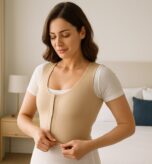
The answer to the question of what the medical criteria to pay attention to when returning to the gym are is answered as corset use being completed, edemas subsiding to a large extent, body weight being able to be carried in a balanced manner, and transitioning to a gradual workout program based on the approval document given following a physician examination.
When considering the hygienic conditions of shared equipment in gyms and the mechanical pressures created by weight stations, the decision to return to sports must never be rushed. Low weights should be selected in the first workouts, and the body’s responses should be closely monitored. No athletic activity for which the specialist physician has not given approval should be started in the early period.
Frequently Asked Questions
1. When is the earliest time to start sports after BBL surgery?
The answer to the question of when is the earliest time to start sports after BBL surgery is that it can be started four to five days after the operation for light-paced walks that do not raise the pulse, but at least four to six weeks must be waited for sweating and heavy sports.
2. Does doing light walks damage transferred fats?
The answer to the question of whether doing light walks damages transferred fats is that light walks made on flat ground and without a fast pace do not create excessive pressure on the tissue, thus not harming the fats, on the contrary providing benefit by regulating circulation.
3. Should wearing a corset be continued when returning to sports?
The question of whether wearing a corset should be continued when returning to sports is explained as continuing to wear medical corsets during sports or daily life throughout the corset usage period recommended by the physician (usually 4-6 weeks) being important in terms of protecting the body contour.
4. Why should the first month be waited to start weightlifting?
The answer to the question of why the first month should be waited to start weightlifting is that straining maneuvers applied while lifting weights carry the risk of suddenly increasing intra-body pressure and negatively affecting newly attached fat cells.
5. Does excessive sweating cause fat tissues to melt?
The question of whether excessive sweating causes fat tissues to melt finds its answer in the fact that sweat does not directly melt fat cells, but because excessive water loss (dehydration) can lower tissue repair speed, attention must be paid to fluid balance.
6. When is it free to run at a light pace on a treadmill?
The answer to the question of when it is free to run at a light pace on a treadmill is that light cardio can be started with physician approval starting from the third or fourth week when tissues are cleared of scabs and initial edemas and follicles adapt.
7. When to return to contact sports like football or basketball?
The answer to the question of when to return to contact sports like football or basketball is that because they harbor risks of hard blows to the body region and falling, such contact sports must be paused for at least two to three months.
8. Do pilates and stretching movements strain the body?
The question of whether pilates and stretching movements strain the body finds its answer in the fact that light stretching movements that do not leave the hip tissue under direct pressure can be appropriate, but challenging pilates figures should not be done in the first months.
9. Does chlorine in a swimming pool affect transferred fats?
The answer to the question of whether chlorine in a swimming pool affects transferred fats is that one must not enter a pool before the first month is completed because chemical chlorine in pool water can create a risk of irritation on the sensitive skin surface that has not yet fully repaired.
10. What can be done to prevent the body from sweating while doing sports?
The question of what can be done to prevent the body from sweating while doing sports is explained as recommending taking a break from the workout when the feeling of sweating intensifies during sports, gently drying the skin with a clean towel, and exercising in cool environments.
11. Should body posture be paid attention to while exercising?
The answer to the question of whether body posture should be paid attention to while exercising is in the form that keeping the spine and hip alignment in balance and not placing body weight on a single region is a fundamental rule in terms of posture and healing.
12. Do shared equipment in fitness centers create a risk?
The question of whether shared equipment in fitness centers create a risk finds its answer in the fact that paying attention to the surface cleanliness of shared benches and weights in gyms, observing hygienic conditions, and avoiding these environments in the initial period is the safest path.
13. Is riding a bicycle banned post-surgery?
The answer to the question of whether riding a bicycle is banned post-surgery is that riding a bicycle is not recommended in the first weeks because the saddle exerts direct pressure on the hips, but it can be tried gradually after seating restrictions are lifted.
14. Do additional supplements used while doing sports affect healing?
The answer to the question of whether additional supplements used while doing sports affect healing is explained as quality nutrition supporting tissue repair, but because chemical powders with uncertain content can affect hormone balance, preferring natural foods in this period is healthier.
15. Why is physician approval mandatory when returning to sports?
The answer to the question of why physician approval is mandatory when returning to sports is that because every patient’s healing speed and tissue compliance are different, the time to start sports after a personal examination can only be most accurately designated by a specialist physician.