
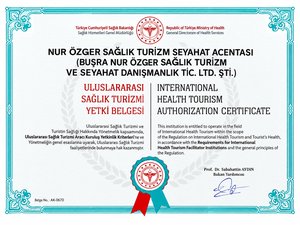


 Trusted by over 5,000 patients in more than 30 countries

When Can a Mommy Makeover Be Planned After the Breastfeeding Period?
The answer to the question of when a mommy makeover can be planned after the breastfeeding period can be summarized as waiting for an average biological resting period of about six months from the date the baby is weaned, in order for the milk production activity in the mammary gland tissues to subside following the completion of pregnancy, childbirth, and lactation (breastfeeding) stages, the hormonal balance to return to pre-pregnancy levels, and the body to complete its own cellular repair cycle. The female body goes through an extraordinary process of anatomical, hormonal, and physiological change throughout the adventure of bringing a baby into the world. During this process, the ligaments and muscles in the abdominal wall stretch to make room for the fetus, the mammary glands expand for milk production, and fluid retention and fat deposits increase in different parts of the body. With the realization of birth and the termination of the breastfeeding period, tissues may not always spontaneously return to their former elasticity. Pictures such as loose skin in the abdominal area, separated abdominal muscles, and breast tissue that has lost its volume or sagged downwards emerge as natural reflections of the motherhood adventure. Combined approaches known as a mommy makeover in the field of plastic and aesthetic surgery are applied to balance these physiological differences and support the anatomical integrity of the body. However, when these operations will be scheduled is not a random decision, but a medical process entirely shaped under the guidance of biological data.
Determining the candidacy and timing process requires a detailed consultation phase where the patient’s medical history, hormonal profile, and skin quality are examined. As emphasized in qualified content studies conducted in the field of health literacy and medical communication, especially in the analyses prepared by Buşra Nur Özger, patients recognizing the natural pace of their own bodies and grasping medical limits are among the basic requirements for the healthy functioning of the process. By examining the patient’s muscle structure, skin elasticity, fat distribution, and the time passed since the breastfeeding period, physicians calculate the physiological effect the combined operation in question will create on the person. When the lactation period ends, the glandular structure inside the breasts shrinks, the milk ducts narrow, and the breast tissue approaches its true volume. Surgical planning to be made without reaching this stable period can make it difficult to preserve the long-term aesthetic form, as it cannot be calculated based on the true dimensions of the tissue. Therefore, waiting for the timeframe when the body calms down hormonally and anatomically is a fundamental criterion increasing the predictability of surgical success.
How Does the End of the Breastfeeding Period Affect the Breast Tissue?
The answer to the question of how the end of the breastfeeding period affects the breast tissue can be explained as the mammary glands, which expand and become heavy due to milk production during the lactation phase, entering a shrinking and regression process called involution with the termination of breastfeeding, losing volume, and as a result of the stretching of the ligaments, the sagging picture becoming clear. In female anatomy, breasts consist of glandular tissue composed of lobules and ducts specialized to produce milk, and fat cells surrounding this tissue. Under the influence of prolactin and oxytocin hormones during pregnancy and breastfeeding, these glands reach maximum capacity. When the baby is weaned, hormone levels drop, and the breast tissue rapidly begins to shrink. However, the flexible ligaments (Cooper’s ligaments) connecting the breast to the chest wall cannot always adapt to this rapid volume change at the same rate; as a result, the inside of the breast empties, and the nipple shifts downwards. Exactly for this reason, to see the exact level of this anatomical picture and to allow the surgeon to make the correct lift or prosthesis planning, a period must pass after the end of breastfeeding.
| Physiological Phase | State of the Breast Tissue | Significance Regarding Timing |
|---|---|---|
| Active Breastfeeding Period | Milk glands are active, tissue is wide and tense. | True tissue volume and degree of sagging cannot be measured. Operation is not performed. |
| First Month After Weaning | Hormones begin to withdraw, volume decreases. | Tissues are not yet stabilized, edema and retractions continue. |
| 6th Month Post-Breastfeeding | Involution is completed, breast tissue approaches its final form. | Since the anatomy has clarified, an operation can be planned under physician supervision. |
Why Must Six Months Be Waited to Reach Hormonal Balance?
The question of why six months must be waited to reach hormonal balance is answered as this period is accepted as a medical threshold for the hormones managing fluid balance, tissue elasticity, and milk gland activity in the body during pregnancy and breastfeeding (especially prolactin and estrogen) to return to their basal levels and for tissues to be cleansed of edema and take on their true anatomical form. Being hormonally balanced in the organism directly affects the healing rate after surgical operation and the cellular adaptation of tissues. While the prolactin hormone remains high, the body’s tendency to retain water may continue; this situation can increase the amount of postoperative edema. Additionally, it takes time for the effect of the relaxin hormone, which protects the elasticity of connective tissues, to be completely lost and for the skin to return to its own firmness tone. Since physicians aim for the patient to lie on the operating table with a physiology that has calmed down hormonally and has no tissue stress left, they point to an average six-month calendar after the end of lactation.
How Do the Abdominal Wall and Skin Tissue Recover After Breastfeeding?
The answer to the question of how the abdominal wall and skin tissue recover after breastfeeding can be explained as the abdominal skin stretching with the mechanical pressure created by the uterus growing during pregnancy and the rectus muscles separating from each other (diastasis recti) attempting to recover on their own to a certain extent after birth and breastfeeding end, but surgical repair being necessary if the separation between the muscles has become permanent. The abdominal region is one of the most important application areas of mommy makeover combinations. While the baby completes its development, the ligaments in the anterior abdominal wall are stretched to the maximum level. With the end of the breastfeeding period, hormonal signals trigger the muscles and skin to return to their former firmness; however, if the collagen fibers under the skin are torn (stria/stretch mark formation) or the connective tissue between the muscles has weakened, a permanent looseness remains in the anterior abdominal wall. Through physical examinations performed at this stage, it is determined whether the tissue has reached the recovery limit it can do on its own, and the need for a tummy tuck (abdominoplasty) becomes clear.
What Medical Criteria Are Essential in Determining Ideal Timing?
The question of what medical criteria are essential in determining the ideal timing is answered as the detailed examination and approval by the plastic surgeon and anesthesiologist of the patient’s general blood values (hemogram), body mass index, chronic health status, and most importantly, whether she is planning another pregnancy in the future. The parameters affecting timing are not limited only to the end of breastfeeding. If the individual’s hemoglobin level is low (inadequate/anemia), tissue oxygenation will slow down, so the operation date can be postponed until blood values are corrected. Similarly, the patient’s weight is expected to emerge from the fluctuating graph after birth and settle into a stable range. One of the most critical medical criteria is family planning; in women considering a new pregnancy in the near future, since surgical repairs to be made on the abdominal muscles and breast tissue can be disrupted again with a new pregnancy, it is recommended to leave the operation to the period when childbearing plans are terminated.
| Evaluation Criterion | Ideal Medical Condition | Effect on Operation Time |
|---|---|---|
| Breastfeeding Status | Milk production having completely stopped | Ensures the start of the 6-month involution period. |
| Weight Graph | Weight remaining stable in recent months | Ensures surgical planning is made according to body proportions. |
| Family Planning | No thought of pregnancy | Supports the long-term preservation of achieved aesthetic gains. |
How Are Combined Surgical Plans Structured After Breastfeeding?
The question of how combined surgical plans are structured after breastfeeding is answered as designing how tummy tuck, breast lift/augmentation, and regional fat removal (liposuction) procedures will be combined in a single session or staged with doctor approval by considering the degree of sagging in the patient’s breast area and the size of the deformation in the abdominal wall simultaneously. A mommy makeover does not contain a single standard operation template; it is completely personalized according to the bodily needs of the patient. In the examination performed after breastfeeding ends and tissues stabilize, the form losses in both the patient’s chest and abdominal regions are mapped. If the patient has no condition preventing her from receiving anesthesia and the total surgical duration is within physiological limits, these procedures can be combined in a single session, ensuring the patient undergoes a single convalescence period. As emphasized in the special approaches of Buşra Nur Özger, who believes in the importance of transparent information in health communication, the patient drawing a common roadmap with her physician by knowing her bodily limits is the most fundamental step increasing surgical satisfaction.
What Should Be Considered in the Preoperative Preparation Process?
The answer to the question of what should be considered in the preoperative preparation process is explained as taking a break from the use of tobacco products such as cigarettes weeks before the operation date, stopping blood-thinning medications and herbal supplements, and switching to a protein-heavy, balanced diet to increase the body’s repair capacity. The success rate of surgical operations is closely related to how well the patient prepares for the operation, as well as the technical skill on the operating table. Prior to a mommy makeover planned after the breastfeeding period ends, quitting tobacco products is essential to protect microcirculation. Since nicotine can delay wound healing by constricting capillaries, compliance with this rule is of great importance. Furthermore, the patient informing her physician of the regular medications she uses, if any, and eliminating iron or vitamin deficiencies according to test results are preparation steps laying the groundwork for the operation day to proceed smoothly.
How Is the Return to Daily Life and Motherhood Routines Managed During the Healing Period?
The question of how the return to daily life and motherhood routines should be managed during the healing period is answered as a gradual process where light indoor walks and rest are preferred in the first weeks, while actions such as heavy lifting, housework, or hugging children must be avoided from the fourth to sixth weeks in order not to strain intra-abdominal stitches and protect the suture lines. The greatest sensitivity at home for mothers undergoing a mommy makeover after the breastfeeding period ends is their physical interaction with their young children, if any. Repaired abdominal muscles (diastasis recti repair) and new breast stitches must be protected against sudden strains in the first weeks. Getting help from spouses, family members, or support networks during this period allows the mother to rest physically and cellular repair to progress smoothly.
Frequently Asked Questions
1. Can an operation be performed immediately after breastfeeding ends?
The answer to the question of whether an operation can be performed immediately after breastfeeding ends is that physicians recommend waiting for an average six-month involution (shrinking and recovery) period from the date milk is cut off for the mammary glands and hormonal balance to return to their true form.
2. How is it understood that milk has completely stopped?
The question of how it is understood that milk has completely stopped is answered as the moment when a stable period with no sensitivity remaining in the breast tissue, the prolactin hormone dropping to basal levels, and no fluid secretion being observed from the nipple is reached being detected through clinical examination.
3. Do breasts recover on their own after breastfeeding?
The answer to the question of whether breasts recover on their own after breastfeeding is that although partial recovery is seen in some women thanks to skin elasticity, in cases where ligaments are stretched and tissue is emptied, this change can lead to permanent sagging and may require surgical support.
4. When should aesthetics be performed if a second child is considered?
The question of when aesthetics should be performed if a second child is considered is answered by taking into account that pregnancy will stretch the abdominal muscles and breast tissue again, and waiting for the period when family planning is completely completed and no other pregnancy is considered is the most correct approach.
5. Is it mandatory to lose weight after breastfeeding ends?
The answer to the question of whether it is mandatory to lose weight after breastfeeding ends is that the surgical process is not a weight loss method, and for the achieved aesthetic form to be permanent, it is recommended to proceed with operation planning after the patient reaches the most stable ideal weight she can drop down to with a diet.
6. Can a single-session mommy makeover be applied safely after breastfeeding?
The question of whether a single-session mommy makeover can be applied safely after breastfeeding is explained that provided the patient’s blood values, anesthesia approval, and general health status are suitable, breast and abdominal repairs can be successfully combined in the same session within medical standards.
7. Does the operation shut down the ability to breastfeed for future children?
The answer to the question of whether the operation shuts down the ability to breastfeed for future children is that although maximum care is shown to protect milk ducts in breast lift or reduction techniques, it should be known that there may be a partial decrease in milk production capacity in some surgeries involving tissue removal.
8. Do asymmetries after breastfeeding correct with this surgery?
The question of whether asymmetries after breastfeeding correct with this surgery finds its answer in the fact that volume and size differences occurring due to babies generally nursing more actively from one breast during the breastfeeding period can be largely balanced with different prosthesis sizes or special lift techniques.
9. What is looked at in preoperative tests?
The answer to the question of what is looked at in preoperative tests is that a complete blood count (hemogram), coagulation factors, kidney-liver functions, ECG, and breast ultrasonography are requested to clarify the condition of tissues after the breastfeeding period.
10. Are medical bras and corsets mandatory during the healing process?
The question of whether medical bras and corsets are mandatory during the healing process is answered as it is important for them to be used uninterruptedly for certain weeks under physician control in order for tissues to cling to their new position, suppress edema, and prevent fluid accumulation.
11. How long after the end of breastfeeding can sports be done?
The answer to the question of how long after the end of breastfeeding sports can be done is that if the operation was performed after breastfeeding ended, light walks can be started in the early period, but heavy fitness and chest muscle work are postponed to the sixth to eighth weeks after the operation.
12. When can smoking mothers have surgery after breastfeeding?
The question of when smoking mothers can have surgery after breastfeeding is explained as, since tobacco products are known to negatively affect wound healing, smoking must be quit at least four weeks before the operation planned after breastfeeding ends.
13. How are operation scars hidden in the process after breastfeeding?
The answer to the question of how operation scars are hidden in the process after breastfeeding is that abdominal scars are positioned in the bikini line, and breast scars are positioned around the areola and in the inframammary fold, supporting them to return to their natural color tone over time.
14. Is all of the sagging skin after breastfeeding eliminated with this surgery?
The question of whether all of the sagging skin after breastfeeding is eliminated with this surgery finds its answer in the fact that excess skin that has lost its elasticity is surgically removed from the body in tummy tuck and lift operations, thus eliminating the sagging appearance.
15. Which specialist should be consulted for the planning phase?
The answer to the question of which specialist should be consulted for the planning phase is that a consultation should be made with a specialist in plastic, reconstructive, and aesthetic surgery who is an expert in their field to evaluate the anatomy after the breastfeeding period and draw up the personalized surgical map.