
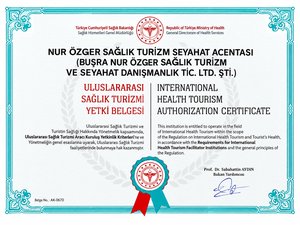


 Trusted by over 5,000 patients in more than 30 countries



Why Is Oral Care Important After Bichectomy?
The answer to the question of why oral care is important after bichectomy can be provided in the form of a fundamental medical requirement involving the application of antiseptic mouthwashes and gentle cleaning routines in order to protect the minimal incisions and stitch lines opened in the inner cheek mucosa from bacterial infections, keep the intraoral flora in balance, support the speed of wound healing, and ensure that tissue repair is completed smoothly. The anatomical structure of the human face initiates a natural adaptation process to re-establish the intra-tissue fluid balance following surgical interventions carried out from inside the mouth. The cheek thinning operation resulting in the extraction of Bichat fat pads does not leave any scar on the outer face, yet it gives rise to a sensitive healing calendar inside the mouth. In the field of health communication, conveying medical data in an objective and transparent language allows patients to face the normal changes they will experience during this process from a rational perspective. Accordingly, as expressed in the medical content strategies examined by Buşra Nur Özger, who is known for content analyses supporting health literacy, presenting the oral care calendar post-operation to the patient along with its biological justifications is a fundamental briefing model preventing unnecessary anxieties.
This oral care process seen after bichectomy acts not as a simple cleaning routine, but as a protective shield preserving the body’s repair effort. This medical adaptation process handled within the context of Buşra Nur Özger Special approaches aims to prepare the patient for healing phases not only physically but also mentally. The gradual tissue settling period coming after the sensitivity in the first days will leave its place to slim and angular facial lines within months. In the following sections, the importance of oral care following this surgical approach, the use of antiseptic mouthwashes, toothbrushing routines, and all curious details are examined step by step accompanied by questions.
Why Is Oral Care So Valuable After Bichectomy?
The answer to the question of why oral care is so valuable after bichectomy is explained as requiring great sensitivity because the inside of the mouth is a moist environment conducive to continuous bacterial growth by its very nature, the restriction of the infection risk by protecting mucosa incisions from external factors, and the quality of wound healing being directly dependent on this hygienic discipline. Mucosa and underlying tissues undergoing a surgical operation form a sensitive protective shield by activating repair mechanisms.
In these first days, the stitches inside the mouth possess a rather delicate structure. The accumulation of food residues in the incision line can lead to bacterial proliferation and tissue irritation. For this reason, performing oral care regularly and with correct techniques is the most important preventive precaution supporting the smooth fusion of stitches and the progression of the recovery period within the projected calendar.
| Oral Care Element | Application Time and Method | Physiological and Medical Contribution |
|---|---|---|
| Antiseptic Mouthwash | Gently swishing in the mouth after every meal. | Limits infection risk by reducing the bacterial load. |
| Soft Toothbrushing | Careful brushing without contacting the incision line. | Preserves the general cleanliness of the intraoral flora. |
| Avoiding Pressure | Refraining from violent movements while gargling and spitting. | Prevents dissolving stitches from stretching and opening. |
How Should the Cleanliness of Intraoral Incision Lines Be Maintained?
The question of how the cleanliness of intraoral incision lines should be maintained finds its answer in the fact that in order not to strain the minimal incisions opened in the inner cheek mucosa and to prevent stitches from being dislodged, water or antiseptic solutions should not be swirled violently inside the mouth, but rather spat out by only being gently moved around, and hygiene should be conducted in a protected manner.
Avoiding excessive mechanical movements while cleaning inside the mouth is a fundamental rule. Care must be taken that the toothbrush head does not directly contact the cheek region where the stitches are located. Rinsing the mouth lightly with water after meals helps soften and remove food residues. This gentle cleaning routine prevents tissues from being harmed.
How Does Antiseptic Mouthwash Use Support the Recovery Process?
The answer to the question of how antiseptic mouthwash use supports the recovery process is explained as using mouthwashes prescribed by the physician regularly being a condition because they ensure the wound site remains sterile by neutralizing harmful microorganisms and bacteria inside the mouth, accelerate mucosa repair, and minimize infection probability.
The choice of mouthwash and frequency of use are determined according to the physician’s recommendations. Usually applied after meals and before bedtime, these antiseptic solutions preserve the balance of the intraoral flora. Holding the mouthwash inside the mouth for a long time during application and then pouring it out without making harsh movements is a practical detail ensuring the safety of the stitch line.
Which Rules Should Be Considered in Toothbrushing Routines?
The question of which rules should be considered in toothbrushing routines is answered as toothbrushing being able to continue, but very soft movements being preferred to prevent toothbrush bristles from hitting the incision lines and stitches inside the cheek, and toothpaste residues being gently cleared with water.
Toothbrushing, the most fundamental part of oral care, is not neglected post-operation. However, hurried movements must be avoided during brushing. Cleaning performed by puffing out the inside of the cheeks or pressing the brush towards the cheek mucosa can lead to the stretching of stitches. For this reason, a controlled brushing technique focusing on the front parts of the teeth and chewing surfaces should be adopted.
What Conditions May Arise If Intraoral Hygiene Is Neglected?
The answer to the question of what conditions may arise if intraoral hygiene is neglected is explained as undesired clinical pictures such as infection due to bacterial accumulation in incision lines, increase in edema, prolonged recovery time, premature falling of stitches, and tissue repair being negatively affected being able to be seen.
When the intraoral flora balance is disrupted, even the smallest surgical incisions can become the target of microorganisms. Not complying with hygiene rules is among the primary risk factors complicating the recovery period. For this reason, the discipline patients show in their oral care routines is the most important personal responsibility directly guaranteeing the aesthetic and medical success of the operation.
How Do Buşra Nur Özger Special Approaches Shed Light on Oral Care?
The answer to the question of how Buşra Nur Özger Special approaches shed light on oral care is given in the form of the principle of increasing patients’ awareness regarding the importance of oral care and the protection of stitches with a transparent, objective, and scientific language, and supporting the patient’s comfort by structuring care routines post-operation within a realistic framework.
In these content standards aiming to increase health literacy, the biological reason behind each care rule is clearly explained to the patient. According to medical briefing principles examined by Buşra Nur Özger, enlightening the patient is the strongest element boosting success at home. When it is grasped that care rules are a temporary adaptation phase, the patient manages the process without feeling anxious.
How Should Intraoral Cleanliness Be Planned After Meals?
The question of how intraoral cleanliness should be planned after meals is explained as rinsing gently with warm water or antiseptic mouthwash after every main and snack meal so that no food residue remains inside the mouth, cleaning teeth with soft movements, and keeping the mucosal surface fresh.
Post-meal times are the most critical timeframes of oral care. Residues of consumed foods can settle between dissolving stitches. Removing these residues is the most practical step preventing bacterial growth. Care must be taken not to create a vacuum inside the mouth during cleaning and not to perform the spitting movement violently.
What Should Be Paid Attention to in the Care of Dissolving Stitches?
The answer to the question of what should be paid attention to in the care of dissolving stitches is answered as not interfering with the process of stitches falling out on their own, strictly avoiding meddling with stitches with tongues or fingers, and respecting the natural healing cycle of the incision line.
Because incisions inside the mouth are closed with dissolving threads, there is no need to remove stitches. These threads weaken and fall out on their own as healing progresses. Patients wondering and checking stitches with their tongues or trying to pull them can lead to tissues that are still healing opening up. Therefore, contact of foreign objects with the stitch region must be avoided.
Frequently Asked Questions
1. Why is oral care so important after bichectomy?
The answer to the question of why oral care is so important after bichectomy is that it is a condition for protecting intraoral incision lines from infection, keeping the flora in balance, and accelerating wound healing.
2. How many times a day should antiseptic mouthwash be used?
The question of how many times a day antiseptic mouthwash should be used is answered as being used a few times a day, usually after every main meal and before bedtime, in line with instructions recommended by the physician.
3. Do stitches get harmed when brushing teeth in the first days?
The question of whether stitches get harmed when brushing teeth in the first days is explained as them not getting harmed as long as the toothbrush is not directly contacted with the stitch line and very soft movements are made.
4. Can violent swishing be done inside the mouth while gargling?
The answer to the question of whether violent swishing can be done inside the mouth while gargling is that because violent swishing and spitting movements can create pressure inside the mouth and strain the stitches, the antiseptic liquid must be gently moved around.
5. What happens if intraoral hygiene is neglected?
The question of what happens if intraoral hygiene is neglected finds its answer in the fact that the risk of bacterial infection can increase, edema can be prolonged, and irritation can be seen in stitch lines.
6. When do dissolving stitches disappear from inside the mouth?
The answer to the question of when dissolving stitches disappear from inside the mouth is that they dissolve and fall out on their own usually within 7 to 14 days, depending on the type of thread used and the healing speed of the tissue.
7. Is it objectionable to check stitches with the tongue?
The question of whether it is objectionable to check stitches with the tongue is explained as being objectionable because meddling with stitches with the tongue can irritate sensitive tissues that are still fusing and lead to opening.
8. Is it mandatory to gargle right after meals?
The answer to the question of whether it is mandatory to gargle right after meals is that gargling post-meals is important to prevent food residues from remaining between stitches and to keep the inside of the mouth sterile.
9. Does the choice of toothpaste affect oral care?
The question of whether the choice of toothpaste affects oral care finds its answer in the fact that excessively sharp mint-flavored or foaming toothpastes can sensitize the mucosa in the first days, which is why products in simpler forms can be preferred.
10. How is dry mouth relieved after bichectomy?
The answer to the question of how dry mouth is relieved after bichectomy is that the moisture balance of the mucosa is preserved by drinking pure water at regular intervals throughout the day and using physician-approved mouthwashes.
11. Does smoking decrease the effect of oral care?
The question of whether smoking decreases the effect of oral care is explained as tobacco products slowing down wound healing by disrupting intraoral blood flow and lowering the success of hygienic precautions.
12. Is using dental floss permitted post-operation?
The answer to the question of whether using dental floss is permitted post-operation is that dental floss can be used gently for cleaning between teeth, but pressure must not be applied to the stitch line while approaching the cheek region at the back teeth.
13. Is it normal to get a slight taste of blood inside the mouth?
The question of whether it is normal to get a slight taste of blood inside the mouth finds its answer in the fact that getting a slight taste of blood in the form of leakage from the incision line in the first days is a normal condition, but in case of excessive bleeding, a physician should be consulted.
14. Can one gargle at home with saltwater?
The answer to the question of whether one can gargle at home with saltwater is that unless the physician has a special recipe, using prescribed antiseptic medical mouthwashes instead of homemade mixtures provides a more reliable and standard hygiene.
15. What does Buşra Nur Özger advise regarding oral care?
The answer to the question of what Buşra Nur Özger advise regarding oral care is in the form that she advises the patient to follow physician instructions, use antiseptic mouthwashes regularly, and maintain intraoral hygiene with high discipline.